
Why Have PCD Tools Become an Essential Choice in Automotive Manufacturing?
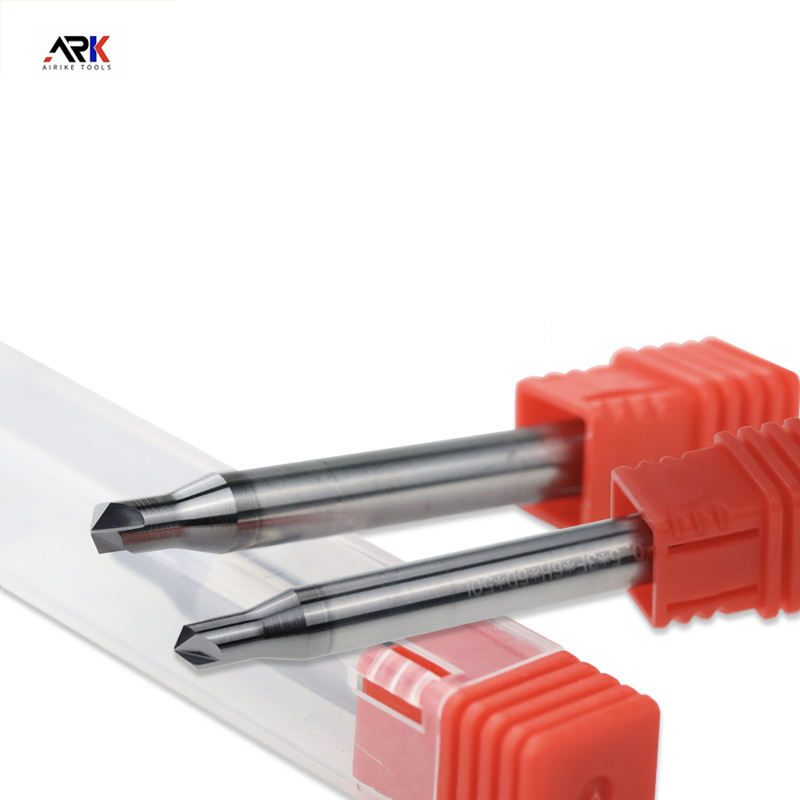
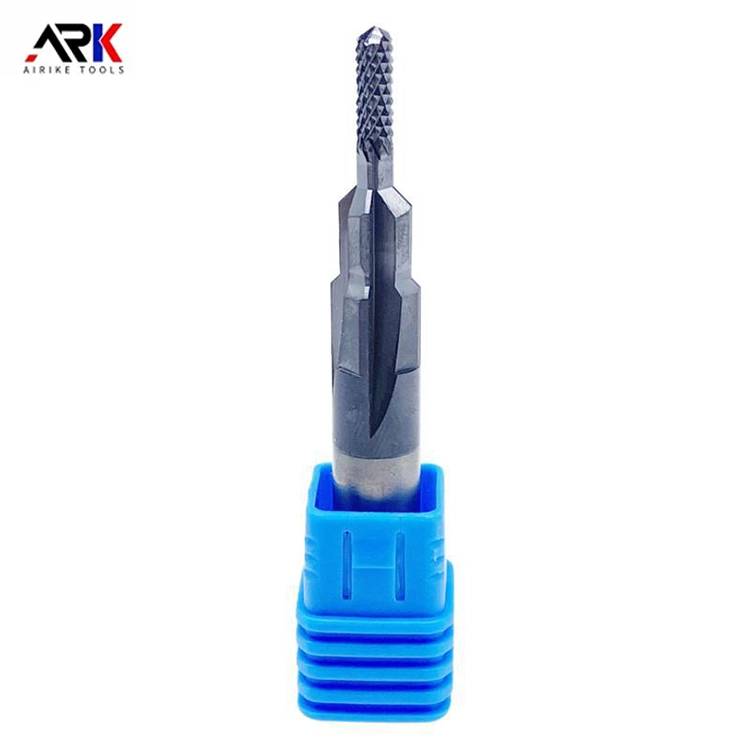
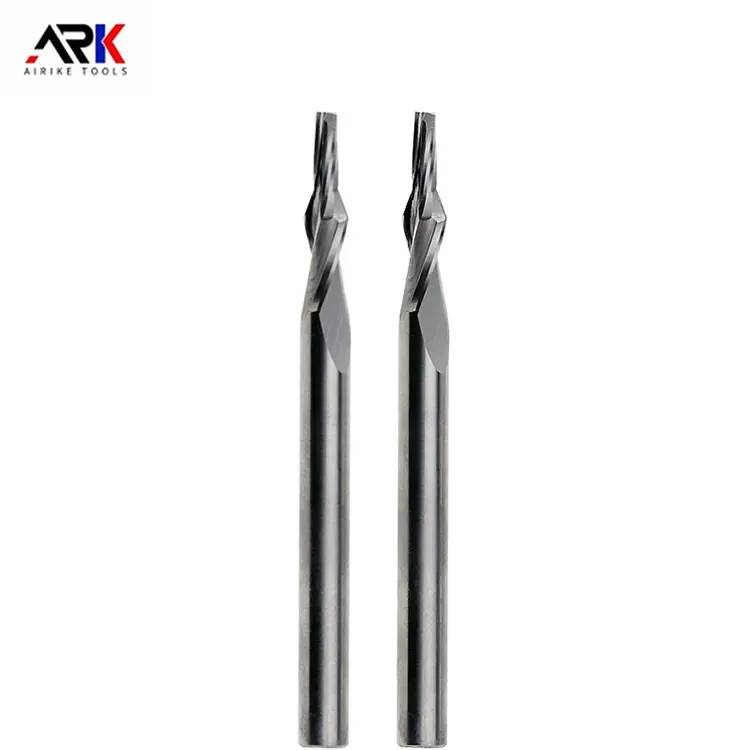
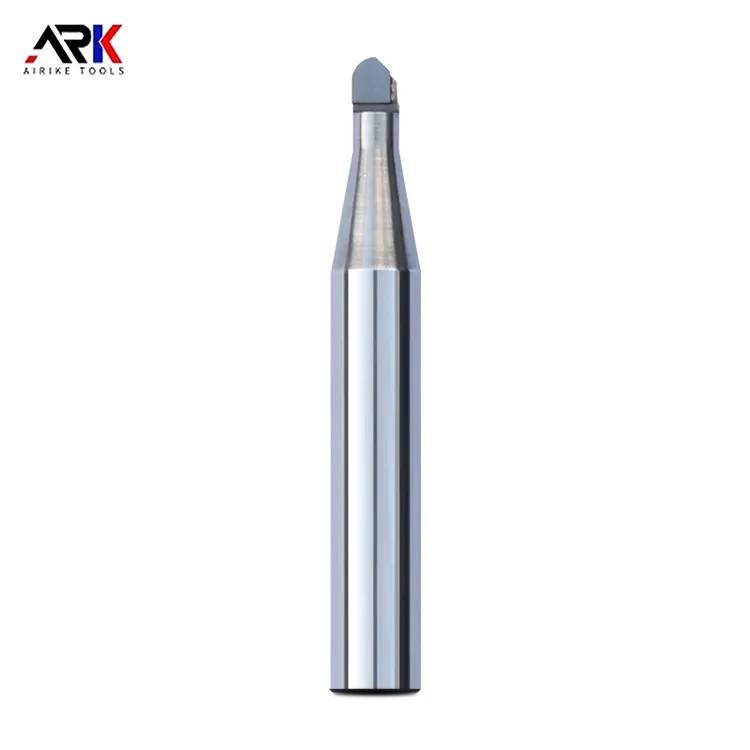
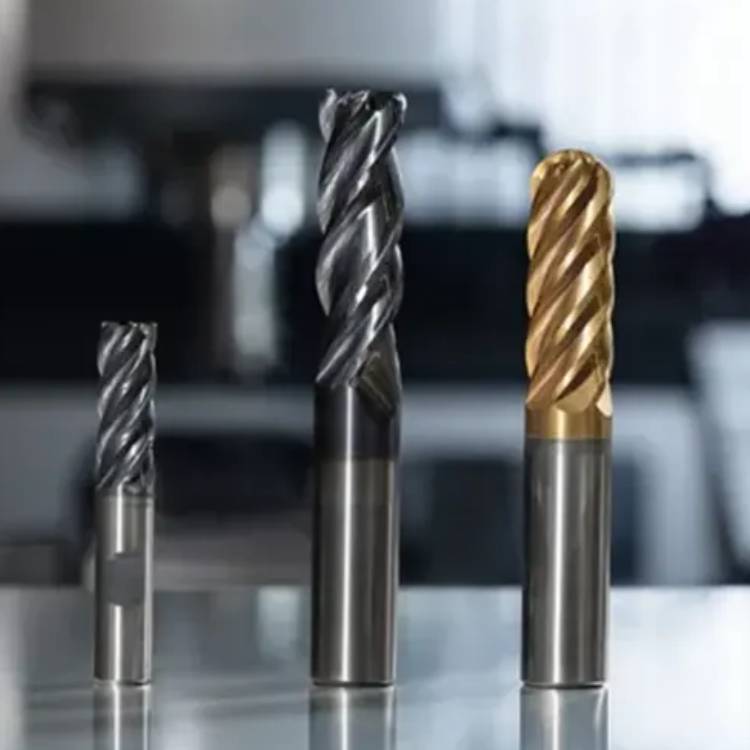
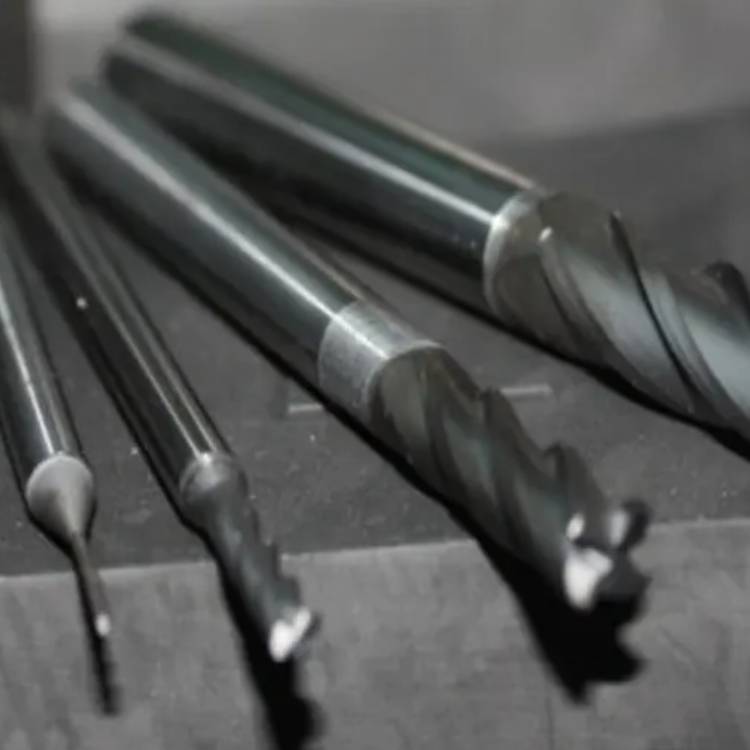
With the trend toward automotive lightweighting, high-silicon aluminum alloys and composite materials are being widely used in engines, transmissions, chassis, and the three-electric systems of new energy vehicles. Traditional carbide tools wear down extremely quickly when machining these materials. Thanks to their exceptional hardness and wear resistance, PCD tools have become indispensable in mass production. Today, we’ll take a closer look at this topic.
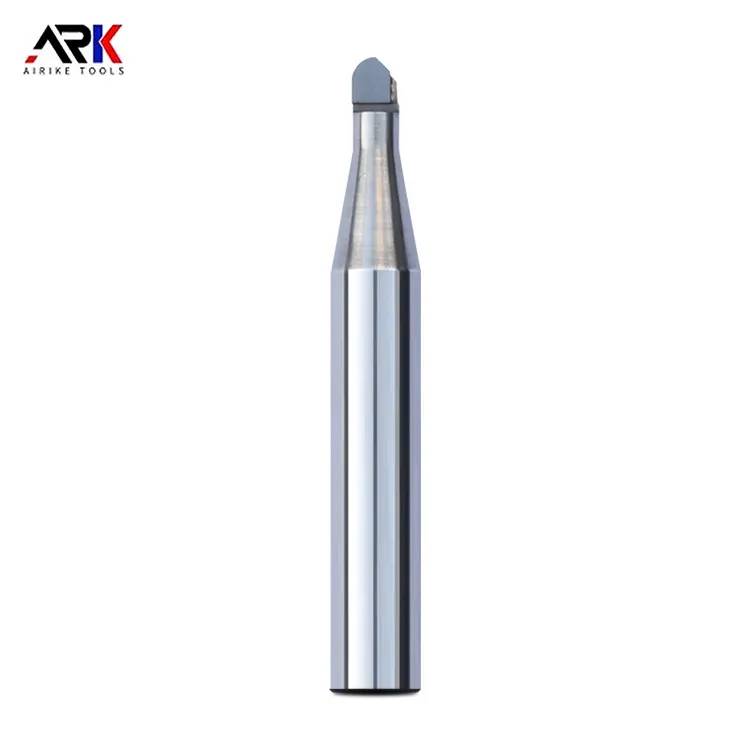
I. Powertrain: The Largest Application Scenario
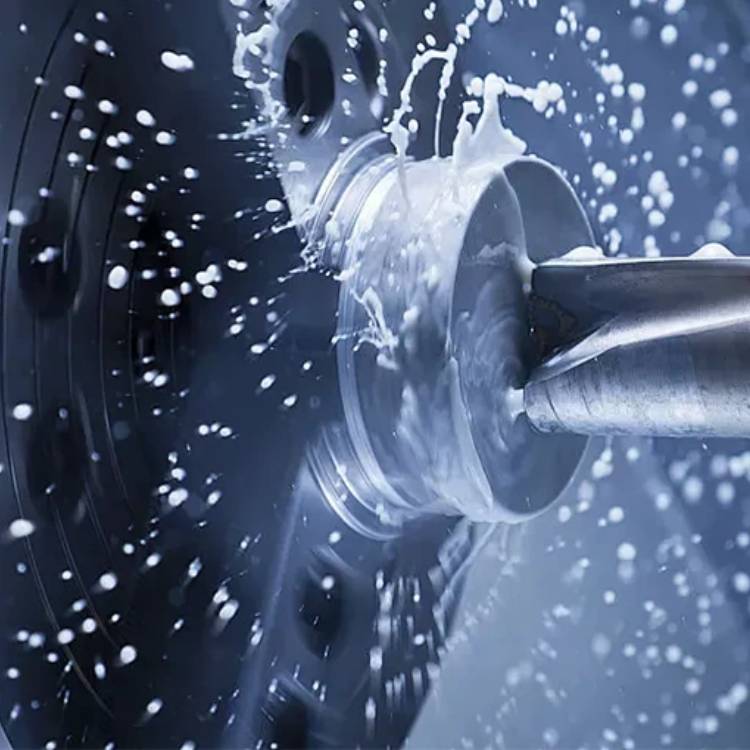
The precision machining of engine blocks, cylinder heads, pistons, and connecting rods relies heavily on PCD tools. Milling the top surface of the engine block, boring cylinder bores and crankshaft bores, and precision turning piston ring grooves and pin holes all require micron-level accuracy. PCD tools can directly perform milling operations, eliminating the need for subsequent grinding while consistently maintaining roundness and flatness. With a tool life tens of times longer than that of carbide, production lines can operate continuously for extended periods, significantly reducing downtime for tool changes.
II. Transmission and Chassis: Precision Directly Impacts Safety
The final finishing of critical components—such as bearing bores and mating surfaces in transmission housings, brake disc working surfaces, and precision areas of aluminum alloy steering knuckles and control arms—is entirely performed by PCD tools. During high-speed machining of brake discs, PCD tools can simultaneously complete both roughing and finishing in a single pass, strictly controlling end-face runout and flatness—factors that directly impact braking performance and driving safety.
III. New Energy Vehicles: The Fastest-Growing New Frontier
Key components of the “three-electric” systems—such as the bearing chambers in drive motor housings and end caps, the sealing grooves in battery pack trays, and IGBT heat sink substrates—extensively utilize wear-resistant materials like aluminum alloy and aluminum silicon carbide. These parts demand extremely high standards for sealing integrity, heat dissipation efficiency, and assembly precision, making PCD tools the core instruments for ensuring both machining quality and production efficiency.
As can be seen, the application scenarios for PCD tools are continuously expanding, from internal combustion engine vehicles to new energy vehicles. It is no longer an optional choice but an unavoidable reality for the manufacturing industry when dealing with difficult-to-machine materials.
We hope you found this post from the Zhongyeda editorial team helpful. Subscribe to us to learn more.
Related News
- Technical Analysis | What Determines the Surface Finish of Diamond Milling Cutters? Suitable for Tile Processing
- Material Comparison | How to Choose the Right Material for Carbon Fiber Tube Drill Bits?
- Carbon Fiber Drill Bits| A Practical Guide | Why Can’t You Just Use Any Old Drill Bit for Model Aircraft and Drones?
- Why Have PCD Tools Become an Essential Choice in Automotive Manufacturing?
Leave me a message