
Carbon Fiber Drill Bits| A Practical Guide | Why Can’t You Just Use Any Old Drill Bit for Model Aircraft and Drones?
For model aircraft and drone enthusiasts, drilling holes in carbon fiber frames is both an exciting and nerve-wracking task. A single drilling error can instantly ruin a carbon fiber panel worth hundreds of dollars—a cost far greater than that of a single drill bit. Therefore, the cost-effectiveness of a good set of carbon fiber drilling bits is never simply a matter of “cheap and functional,” but rather a comprehensive consideration of hole wall quality and service life while ensuring the safety of the workpiece. Today, we’ll explore the cost-effectiveness of high-quality drill bits.
I. Why Can’t Ordinary Twist Drill Bits Drill Carbon Fiber?
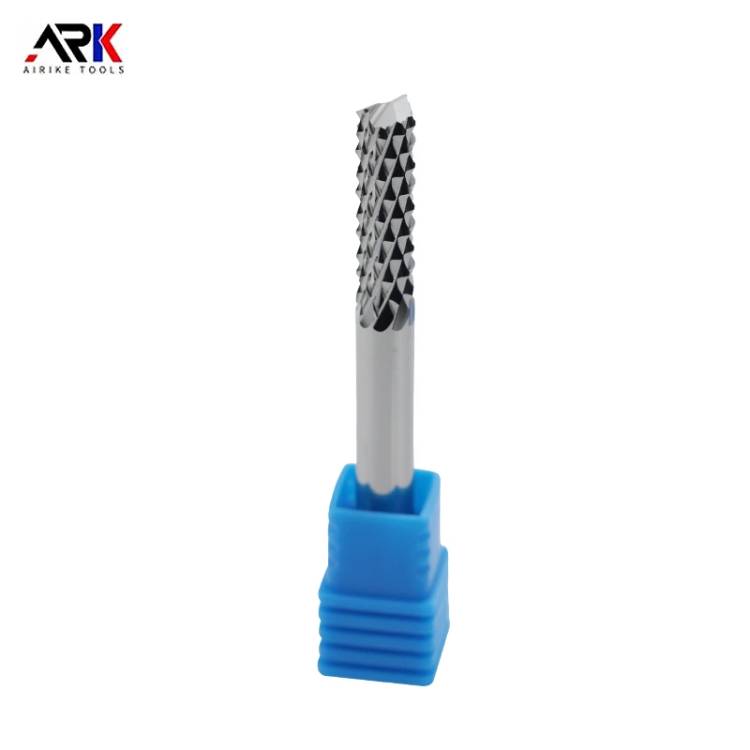
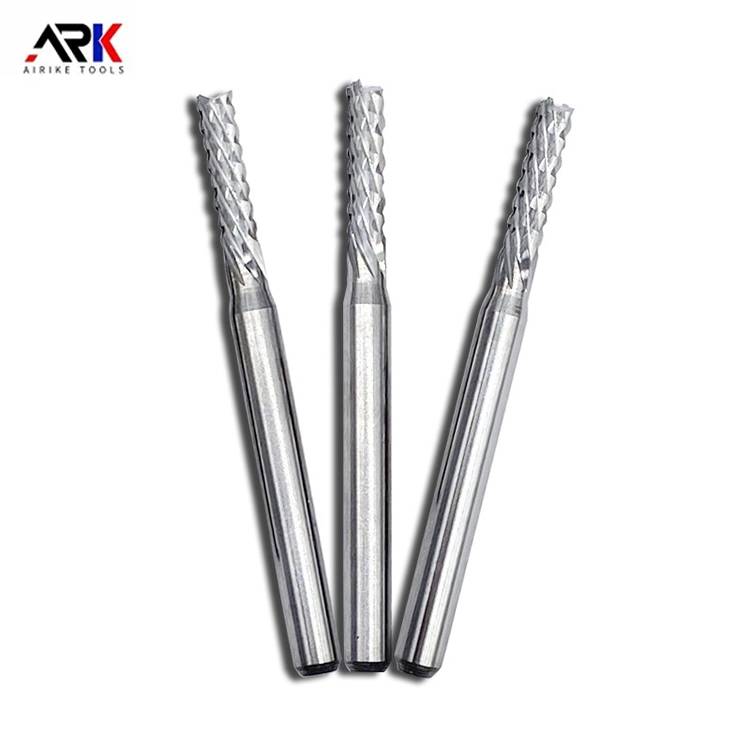
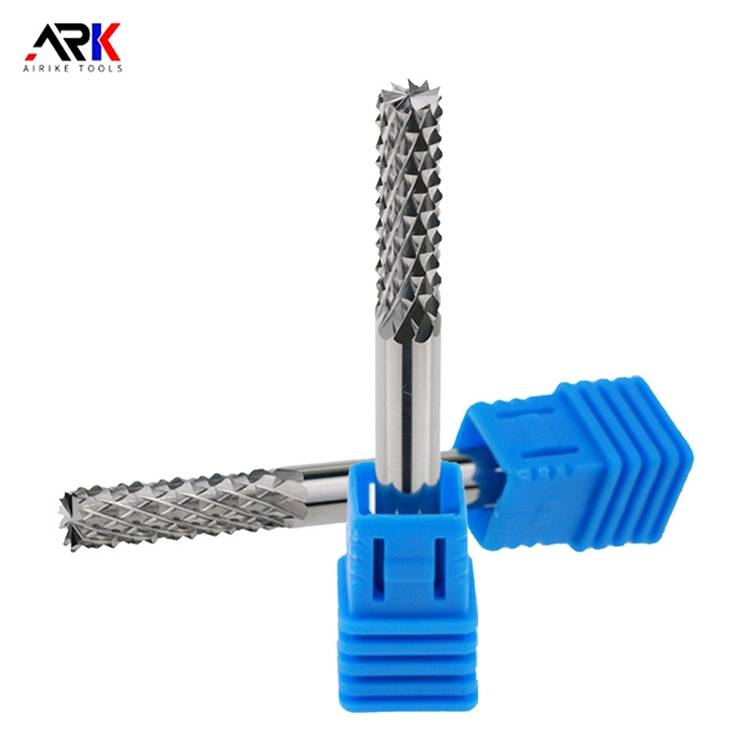
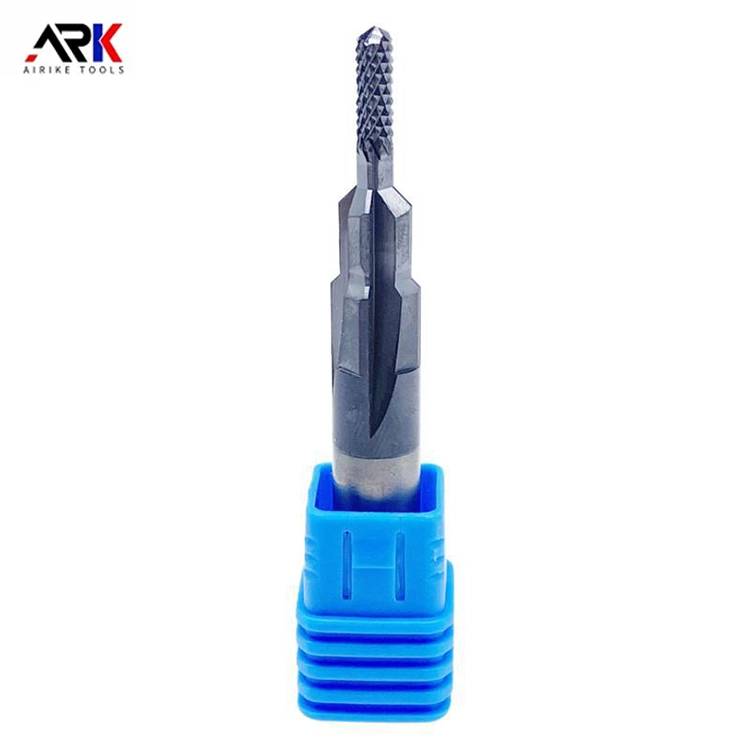
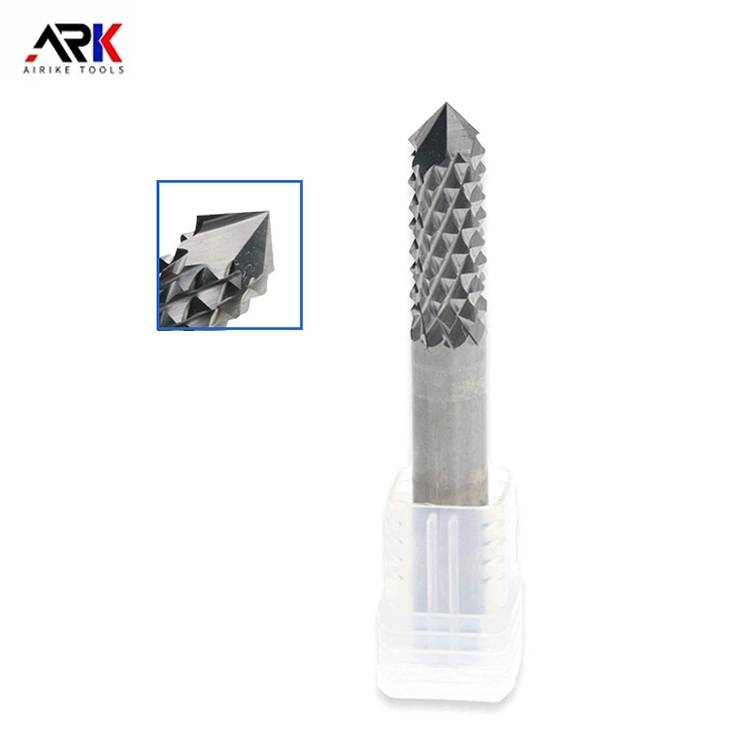
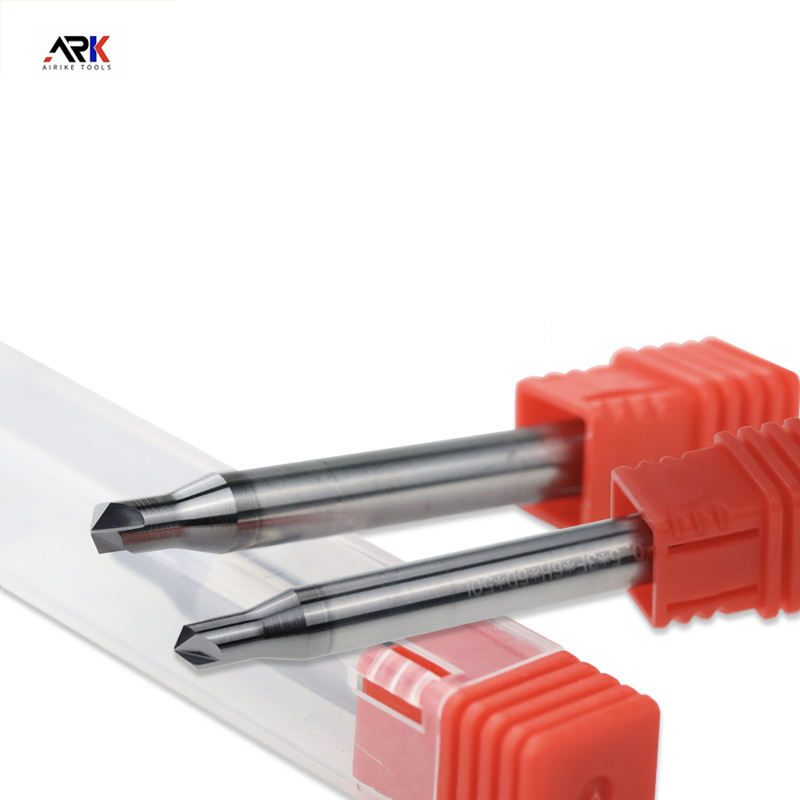
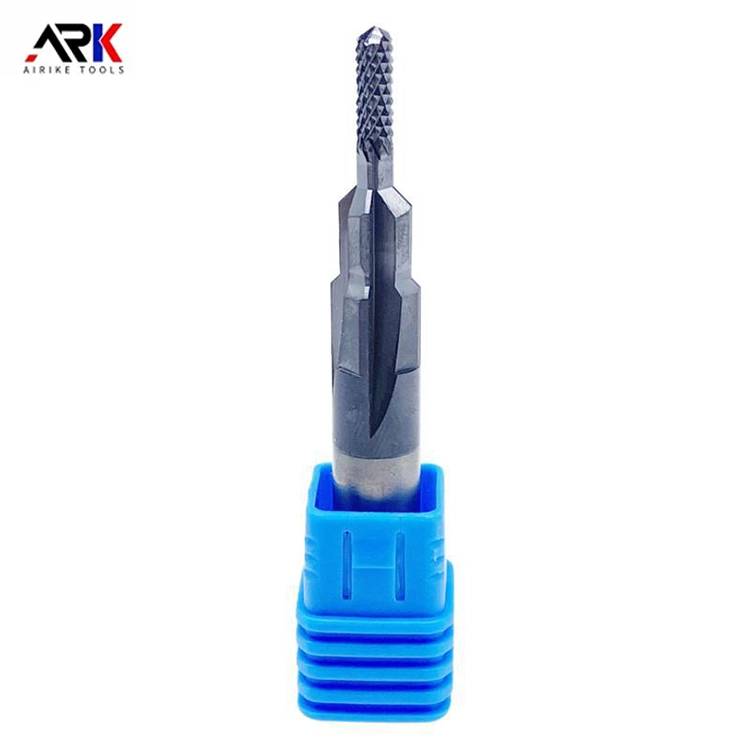
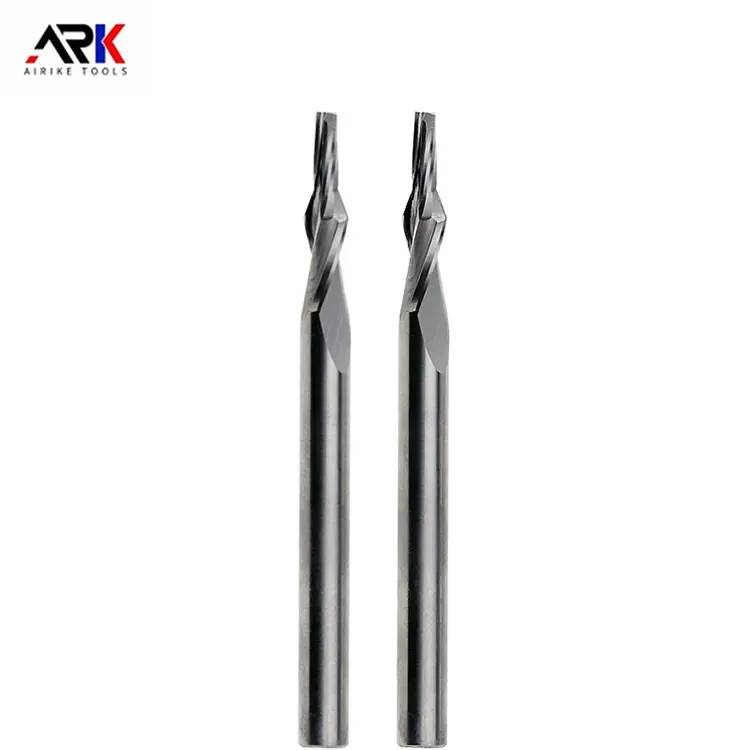
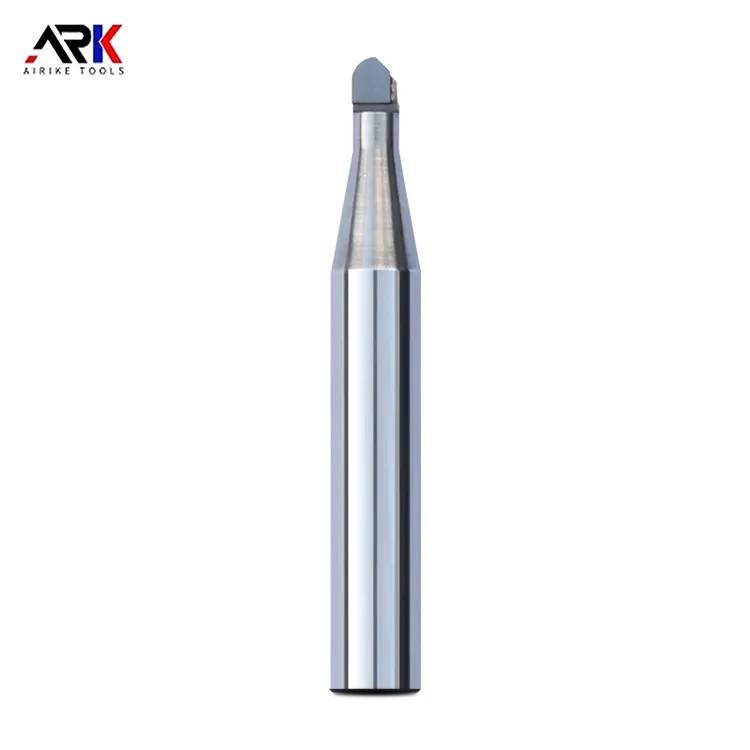
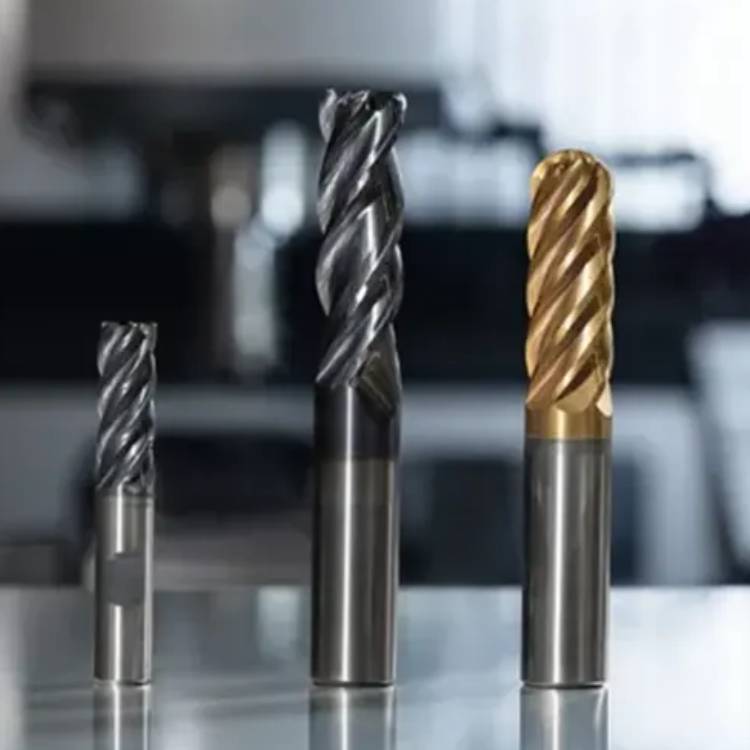
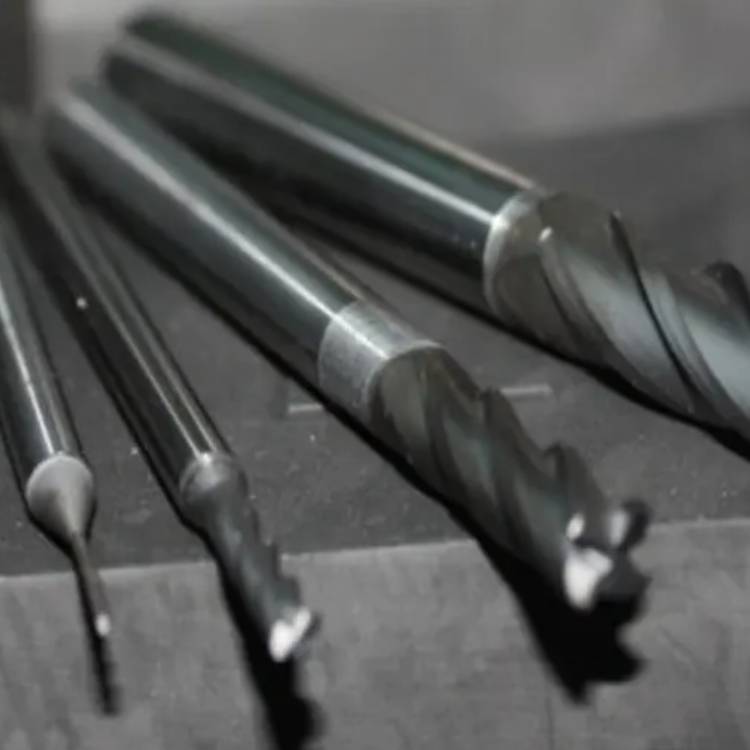
When a standard twist drill rotates, it forcibly snaps the fiber layers. This almost inevitably results in chipping at the entry point and delamination and tearing at the exit. Specialized carbon fiber drilling bits use a dagger-style or three-point cutting edge design. With precise center point alignment, the outer cutting edges first cleanly sever the fibers before cutting from the inside out. This design difference directly determines whether the hole edge will be clean and crisp or a mess.
II. Durability Is the Key to Long-Term Cost Savings
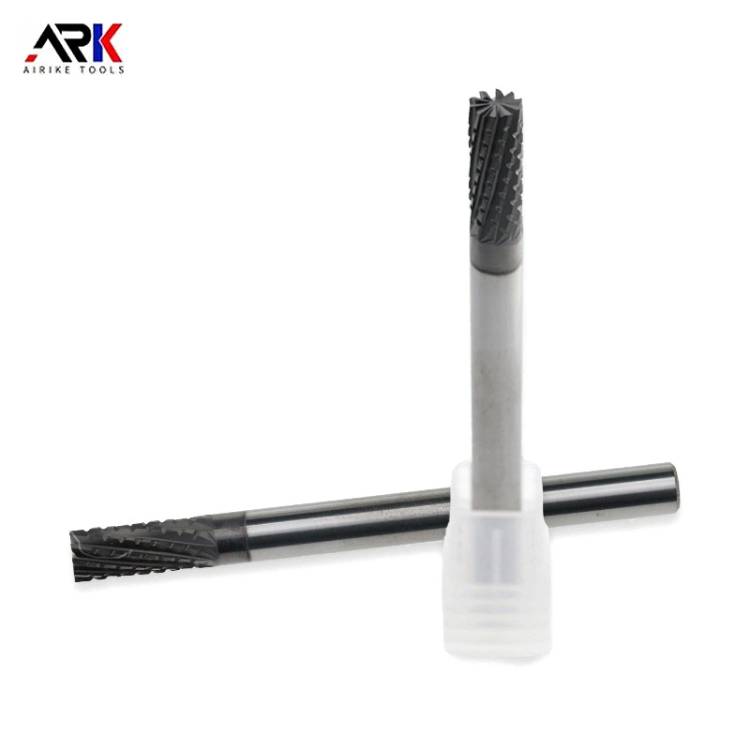
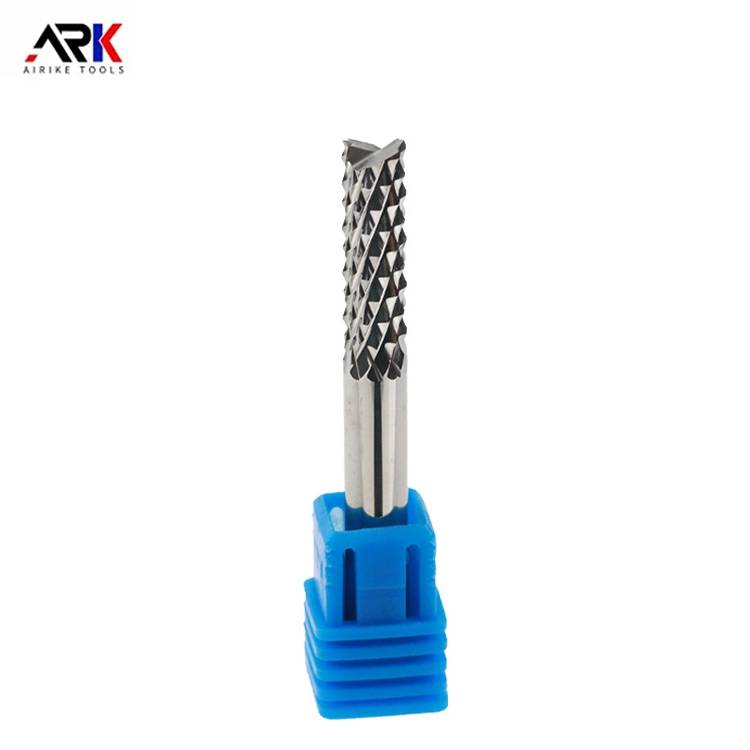
Carbon fiber is highly hard and abrasive, standard high-speed steel drill bits become rounded and dull after drilling just a few holes. Continuing to use a dull bit causes hard friction and grinding, generating high temperatures that scorch the resin on the hole walls, leading to a decrease in the strength of the surrounding area. High-quality carbon fiber drilling bits are made of solid carbide or even feature diamond coatings, allowing them to remain sharp even after drilling numerous holes by hand or using a simple bench drill. The cost per hole is extremely low, and it eliminates the hassle of frequently changing drill bits.
III. Achieving High-Quality Holes Even with Manual Operation
Model aircraft enthusiasts often work under less-than-ideal conditions; hand drills struggle to maintain absolute verticality, and bench drills have limited precision. Standard carbide drill bits are highly brittle; even slight misalignment or lateral force can cause chipping or breakage inside the hole. Specialized drill bits are designed with a margin for error during manual operation, featuring higher edge strength and wider chip flutes to rapidly evacuate powder and prevent clogging and overheating. Placing a wooden block at the exit point for support can also ensure clean, through-holes.
IV. How to Determine if a Drill Bit Is Worth Buying?
The characteristics of a high-value carbon fiber drilling bit are clear:
1. Choose a dagger-type or three-point drill bit to prevent delamination by design.
2. Select solid carbide material; diamond-coated options are even better.
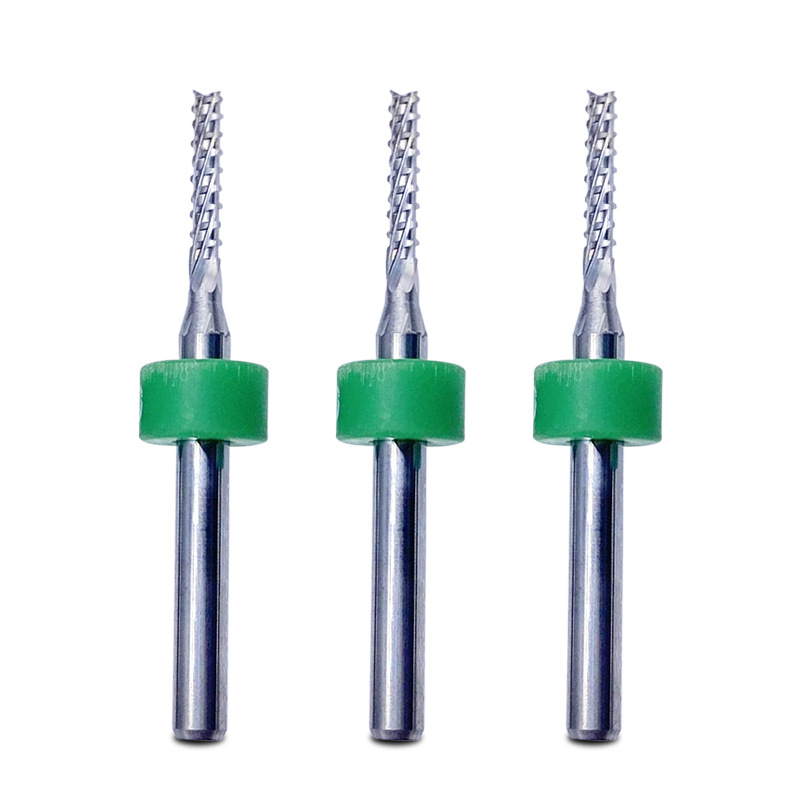
3. Ensure the specifications cover common hole diameters to meet requirements for frame mounting holes, flight controller mounting holes, and more.
4. Test the drill on scrap material before first use; if the exit surface is virtually free of burrs and chipping, you’ve made the right choice.
Therefore, when it comes to drilling carbon fiber, the real cost is never the drill bit itself, but rather a single failed attempt. Investing a few dozen to a hundred yuan in a professional carbon fiber drill bit set not only spares you the anxiety of scrapping expensive sheets but also ensures smooth and clean drilling every time. Finally, it will serve you well for countless future projects—and that’s what truly matters.
We hope you found this post from the Zhongyeda editorial team helpful. Subscribe to us to learn more.
Related News
- Technical Analysis | What Determines the Surface Finish of Diamond Milling Cutters? Suitable for Tile Processing
- Material Comparison | How to Choose the Right Material for Carbon Fiber Tube Drill Bits?
- Carbon Fiber Drill Bits| A Practical Guide | Why Can’t You Just Use Any Old Drill Bit for Model Aircraft and Drones?
- Why Have PCD Tools Become an Essential Choice in Automotive Manufacturing?
Leave me a message