
Technical Analysis | What Determines the Surface Finish of Diamond Milling Cutters? Suitable for Tile Processing
The surface finish of workpieces machined with diamond milling cutters is closely related to three factors: tool grit size, machining process, and material being machined. End mills with different grit sizes and materials produce significantly different surface results. Choosing the right tool will significantly improve both machining efficiency and finished product quality. Let’s take a closer look at the details below.
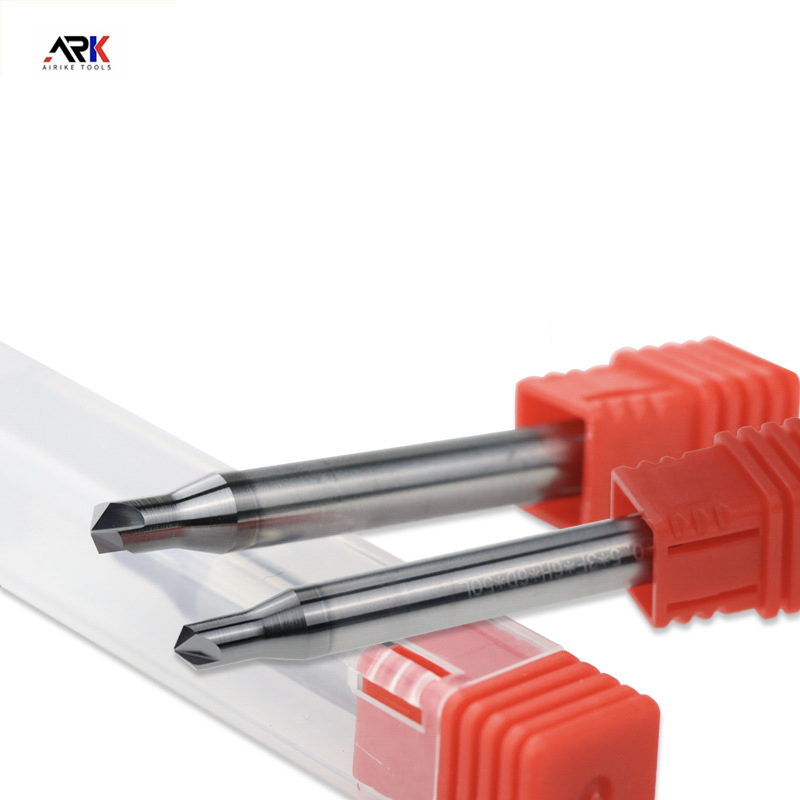
I. What Is the Surface Finish of Workpieces Machined with Diamond End Mills?
Grit size determines surface finish: fine grit is for precision work, while coarse grit is for rough work.
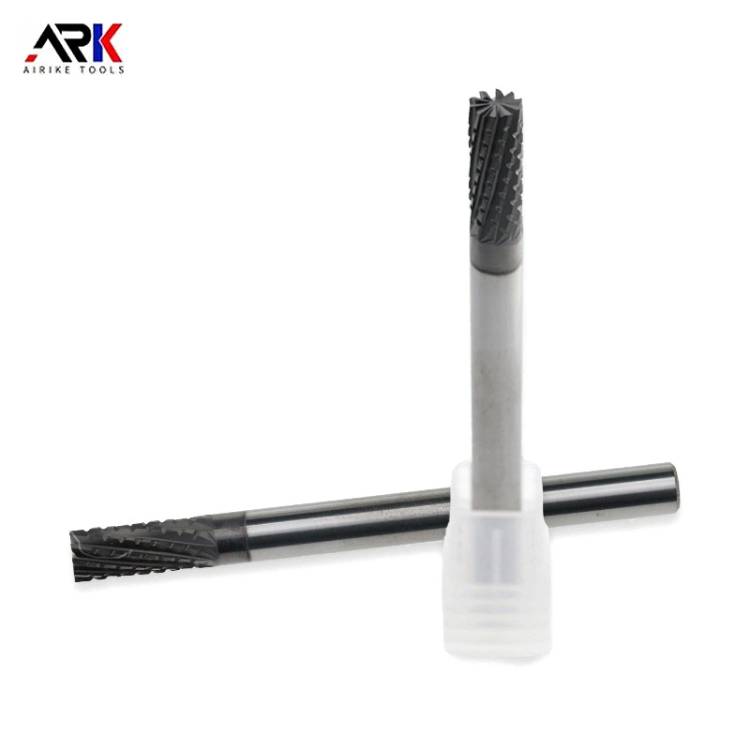
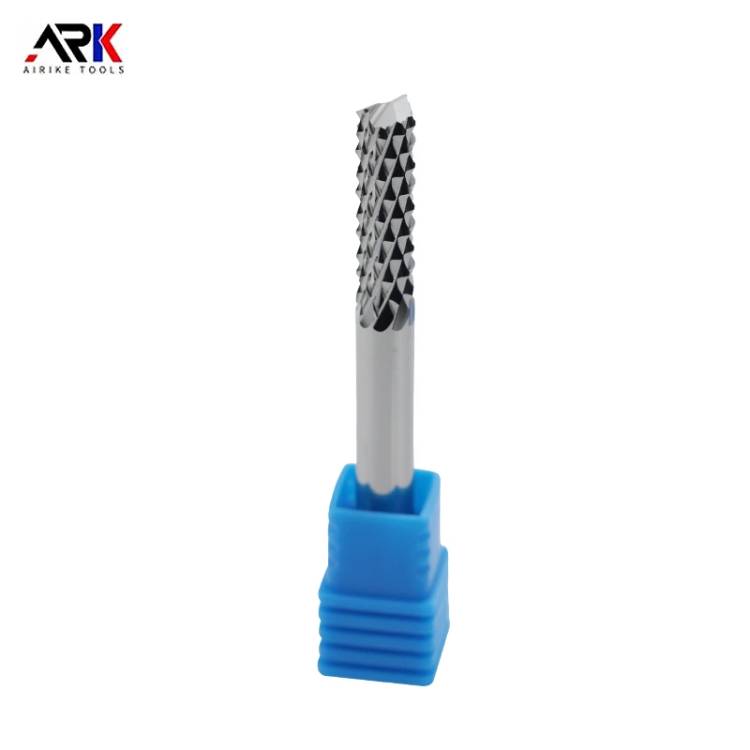
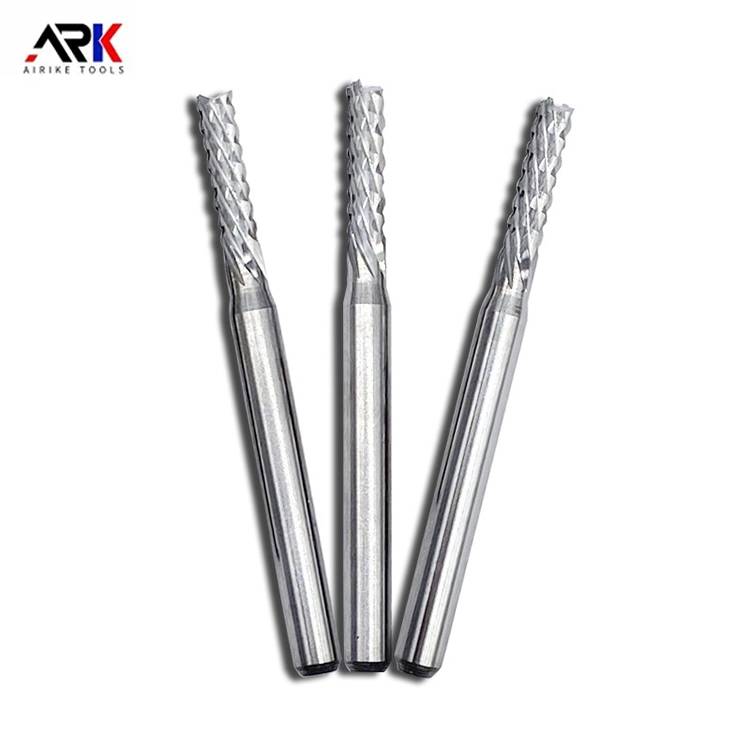
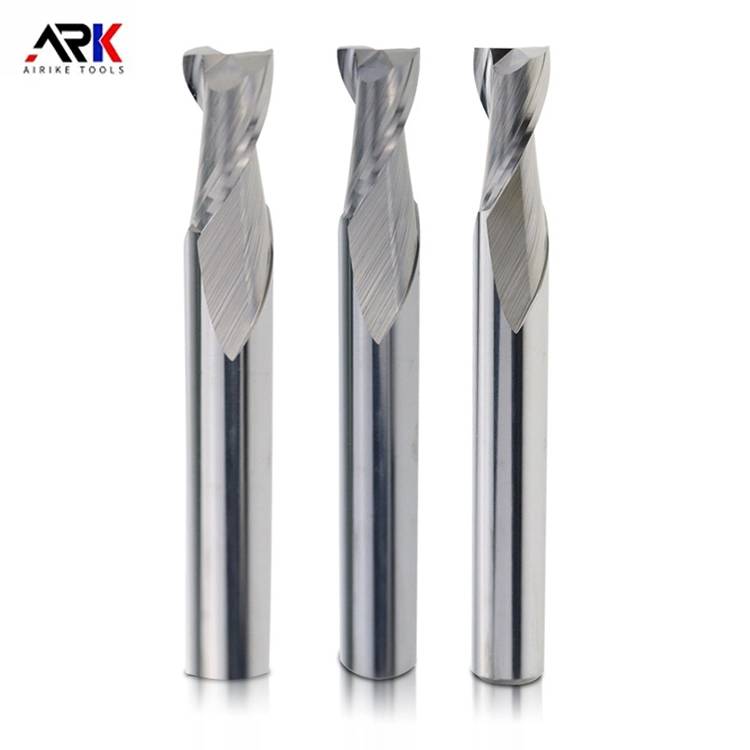
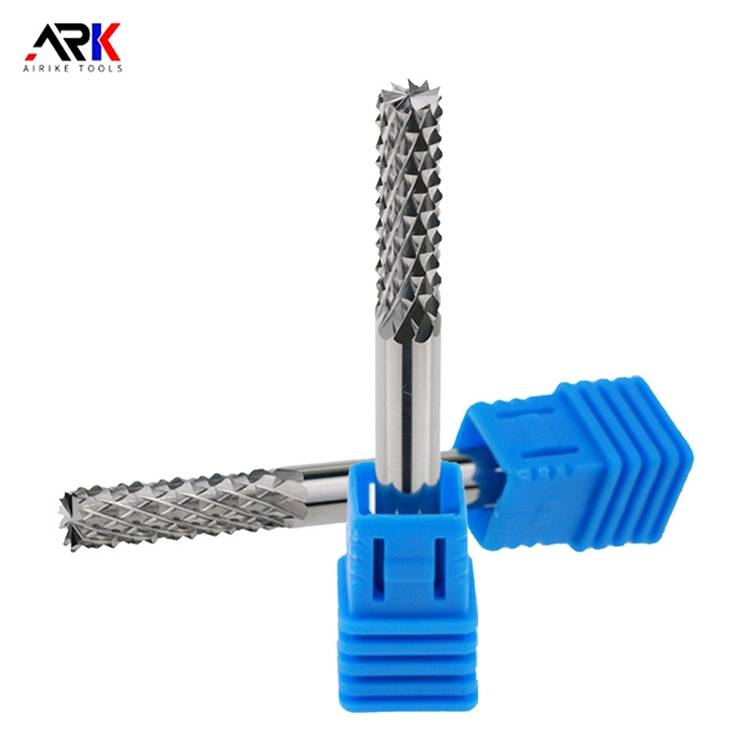
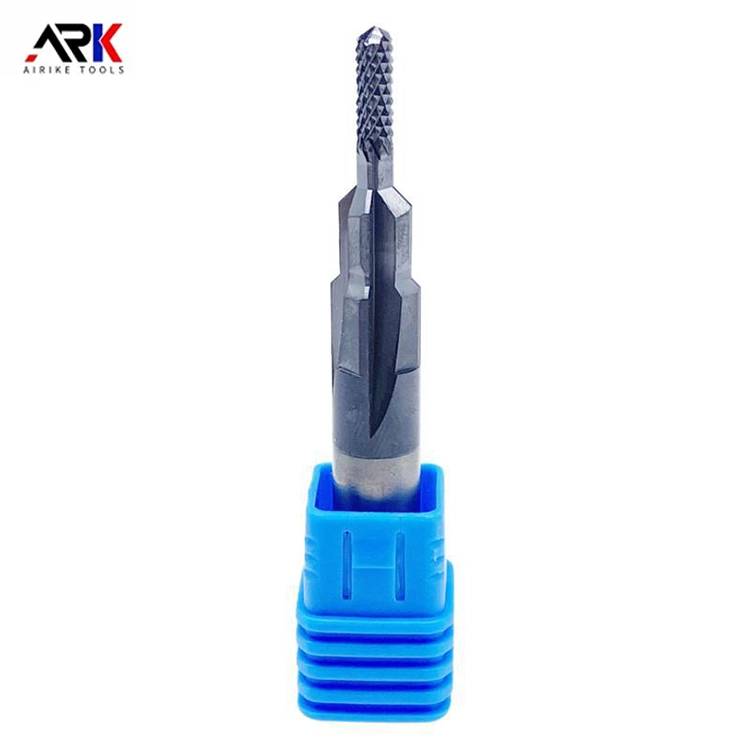
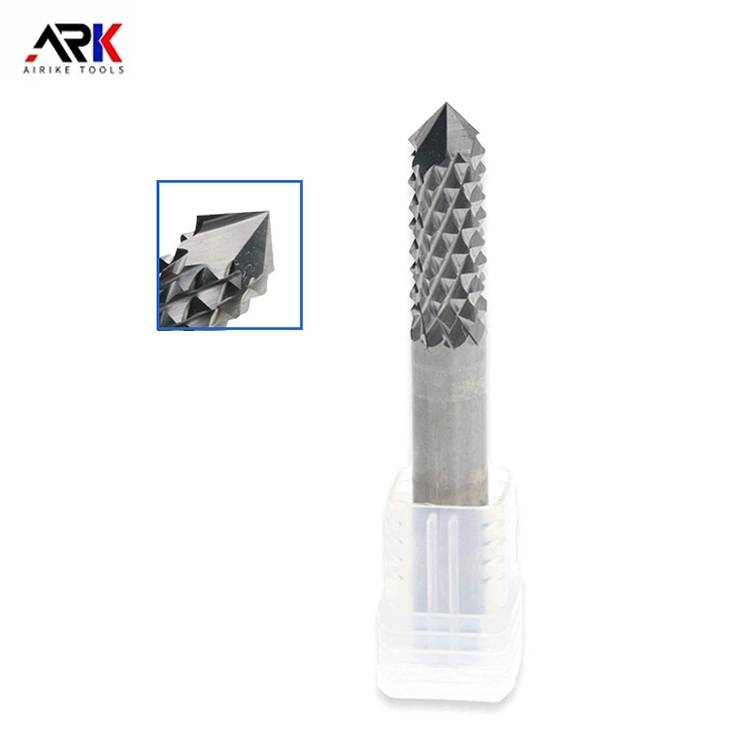
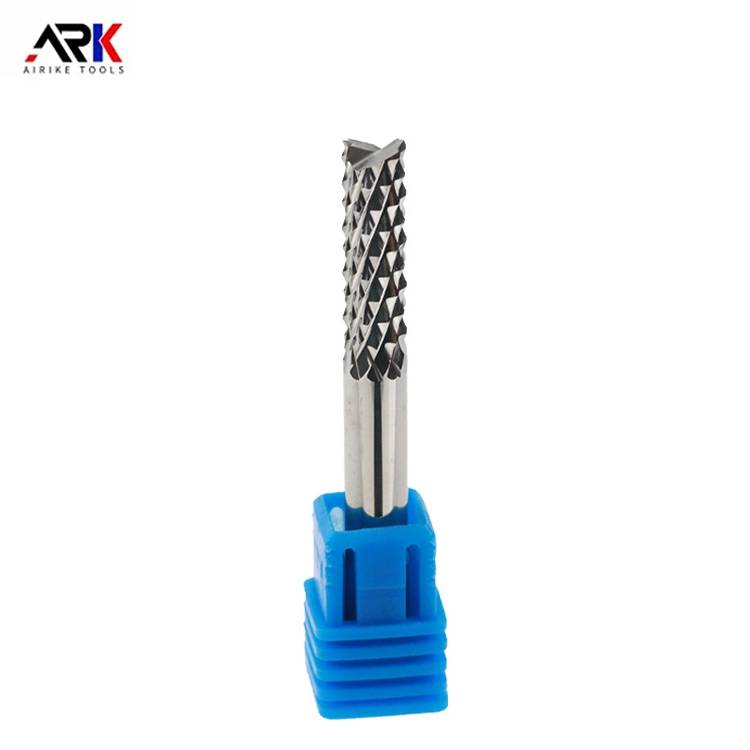
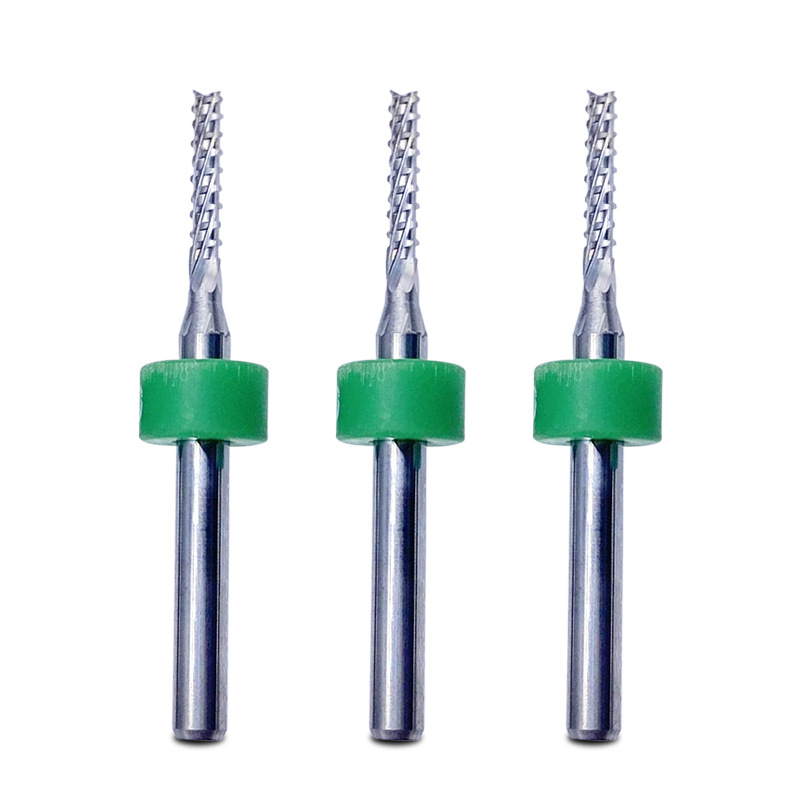
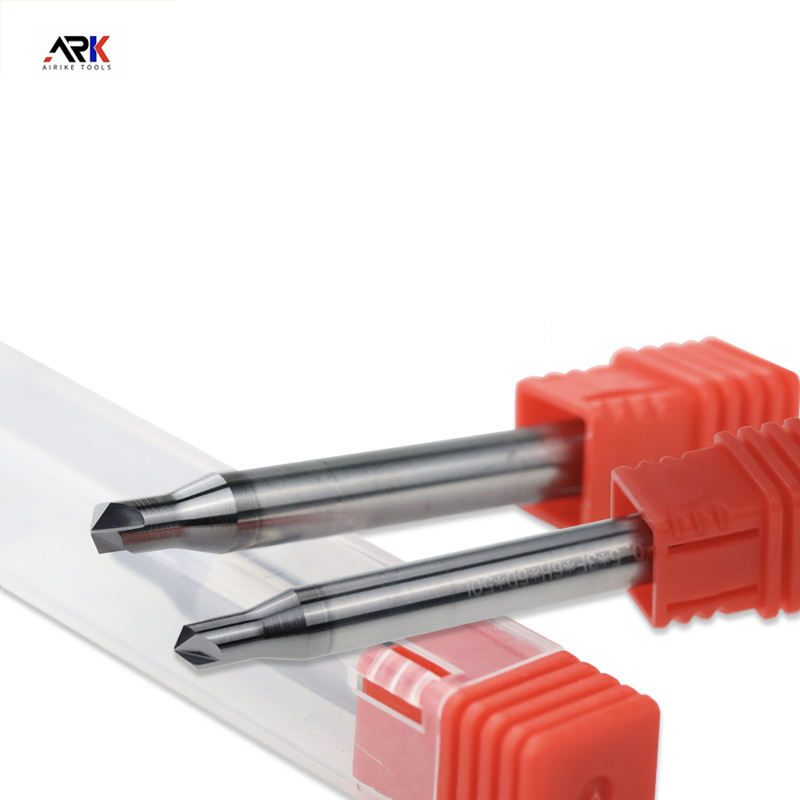
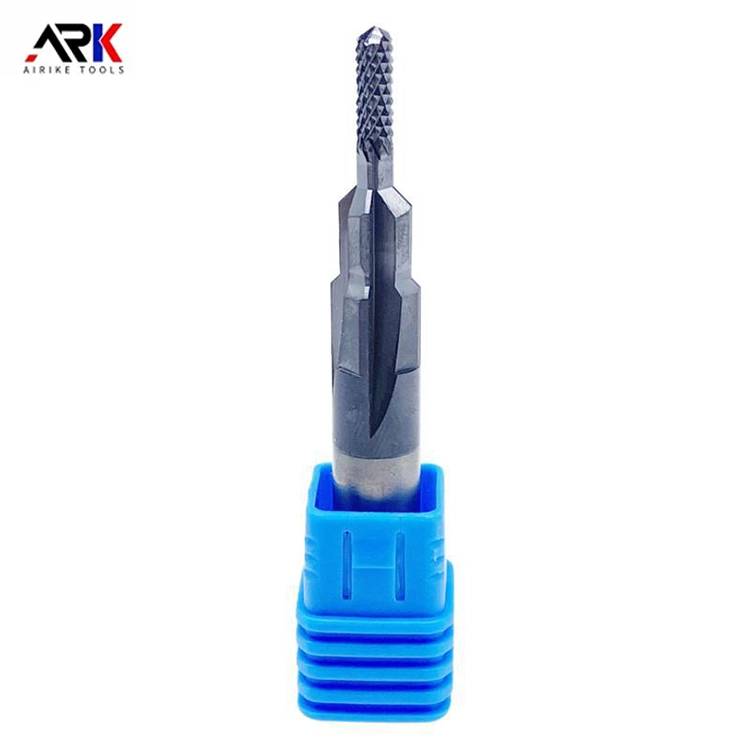
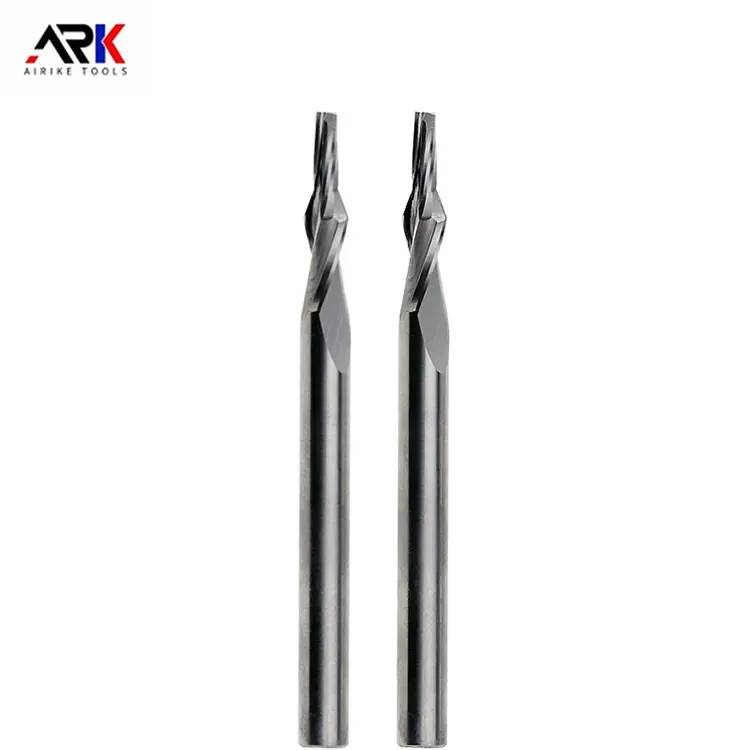
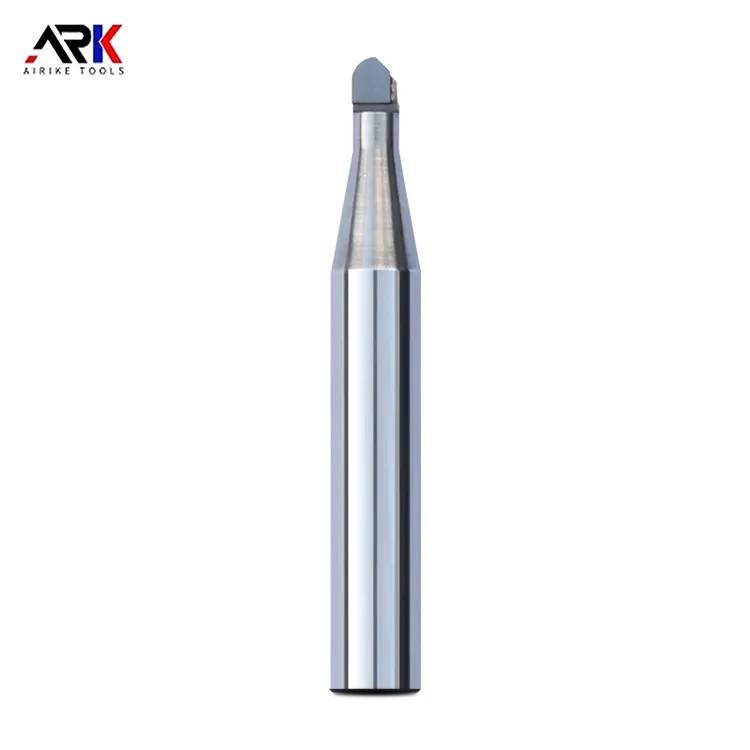
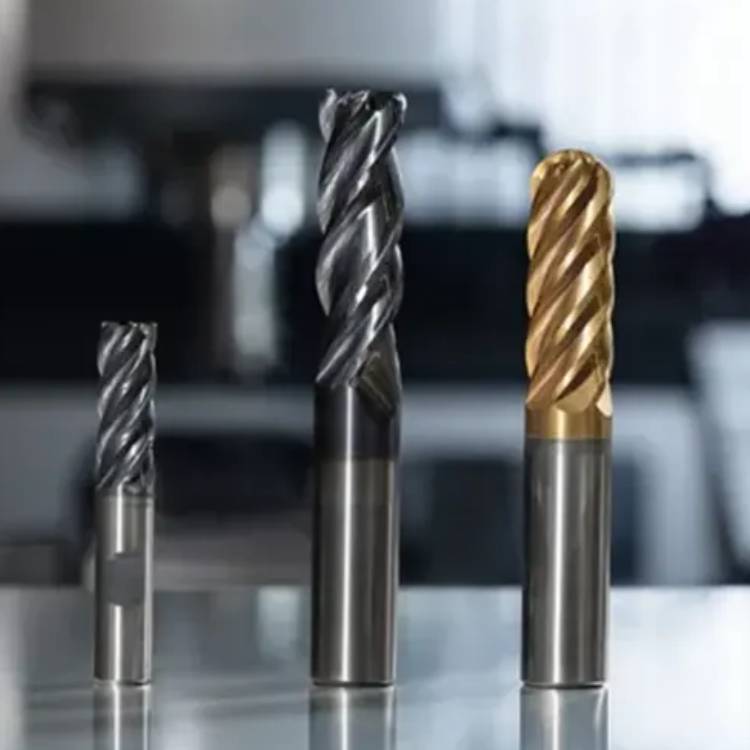
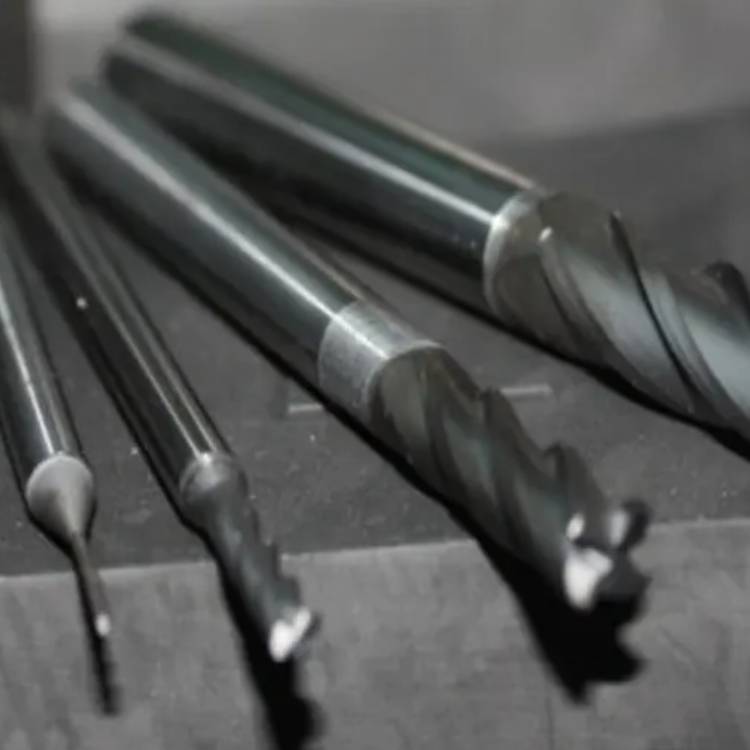
Fine-grit diamond milling cutters have fine cutting edges and produce shallow cutting marks. When used for precision machining of materials such as tiles, stone, graphite, and carbon fiber, they leave the workpiece surface flat and smooth with minimal scratches. In some cases, the surface quality meets usage standards directly, eliminating the need for secondary polishing. Coarse-grit models are primarily used for rough machining and rapid material removal. The cutting marks are relatively prominent, and the surface finish is generally average. After rough machining is complete, fine-grit tools must be used for further refinement to improve the surface texture. Polycrystalline diamond (PCD) milling cutters feature exceptional edge sharpness. When machining non-ferrous metals, sheet materials, and other workpieces, they effectively prevent burrs, chipping, and delamination. The finished surface exhibits outstanding precision and smoothness, making them ideal for high-precision machining requirements.
II. Is Tile Processing the Ideal Application for Diamond Milling Cutters?
Tiles are hard and brittle, placing high demands on cutting tools. Diamond milling cutters are commonly used for tile cutting and grinding operations. During cutting, they offer low cutting resistance and smooth feed, producing clean, straight edges on the tiles. This significantly reduces issues such as chipped edges, missing corners, and cracking, resulting in higher processing efficiency compared to standard tools. When grinding, chamfering, or trimming edges, fine-grit diamond milling cutters can precisely treat tile corners and edges. The resulting surface is smooth and rounded, meeting installation and usage requirements without the need for additional processing.
III. A Key Detail: Don’t Overlook Water Cooling
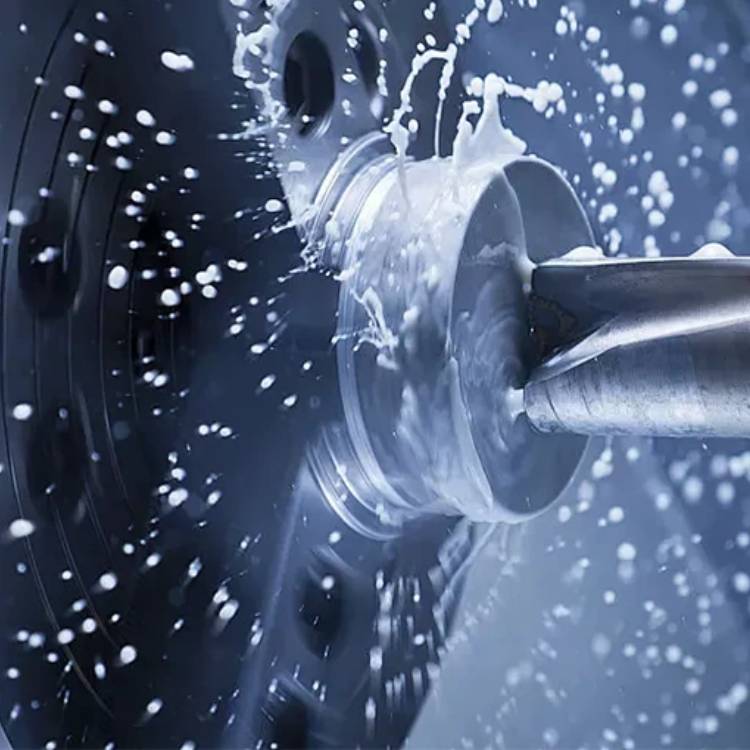
When processing tiles on a daily basis, it is recommended to use water cooling during operations. This not only reduces tool wear and extends service life but also suppresses dust generation, making the processing process safer and smoother. For different types of tiles, select a milling cutter with the appropriate grit size based on processing needs: use coarse grit for rough cutting and fine grit for fine grinding and edge trimming to achieve better results.
The advantages of diamond milling cutters in processing hard materials are clear—choose the right grit size, and surface finish will naturally improve. With proper process coordination, both efficiency and quality can be achieved. For difficult-to-process materials such as tiles, stone, and composite materials, entrusting them to the right diamond milling cutter will always yield excellent results.
We hope you found this post from the Zhongyeda editorial team helpful. Subscribe to us to learn more.
Previous :
-
Related News
- Technical Analysis | What Determines the Surface Finish of Diamond Milling Cutters? Suitable for Tile Processing
- Material Comparison | How to Choose the Right Material for Carbon Fiber Tube Drill Bits?
- Carbon Fiber Drill Bits| A Practical Guide | Why Can’t You Just Use Any Old Drill Bit for Model Aircraft and Drones?
- Why Have PCD Tools Become an Essential Choice in Automotive Manufacturing?
Leave me a message