
Material Comparison | How to Choose the Right Material for Carbon Fiber Tube Drill Bits?
In the drilling of carbon fiber tubes, the selection of drill bits is far more demanding than when drilling flat plates. The curved surface, hollow structure, and thin-walled nature of the tubes significantly increase the risk of delamination, tearing, and chipping. Therefore, the choice of material is key to solving the challenge of “how to efficiently cut high-strength fibers while minimizing damage.” Below are some guidelines for selecting carbon fiber tube drill bits, which we hope will be helpful to you.
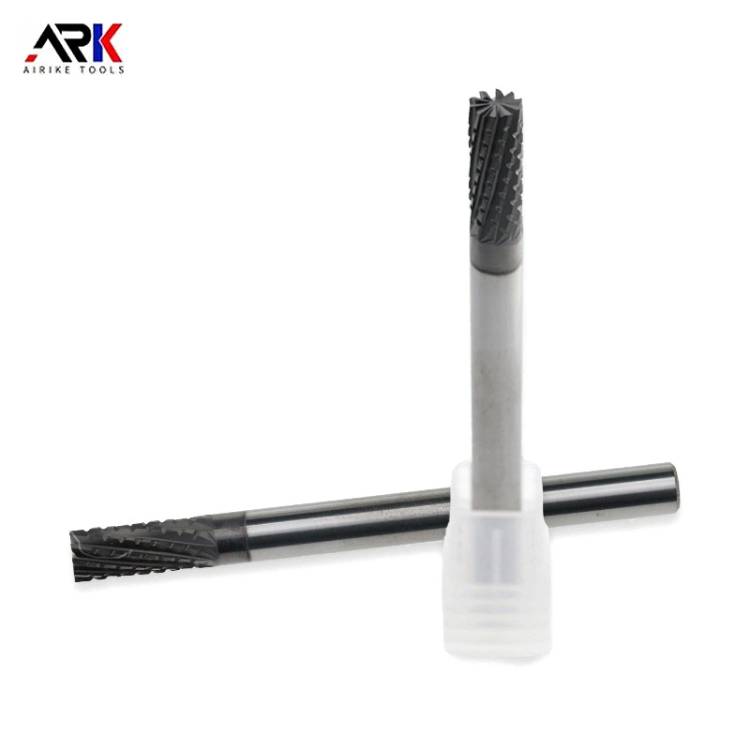
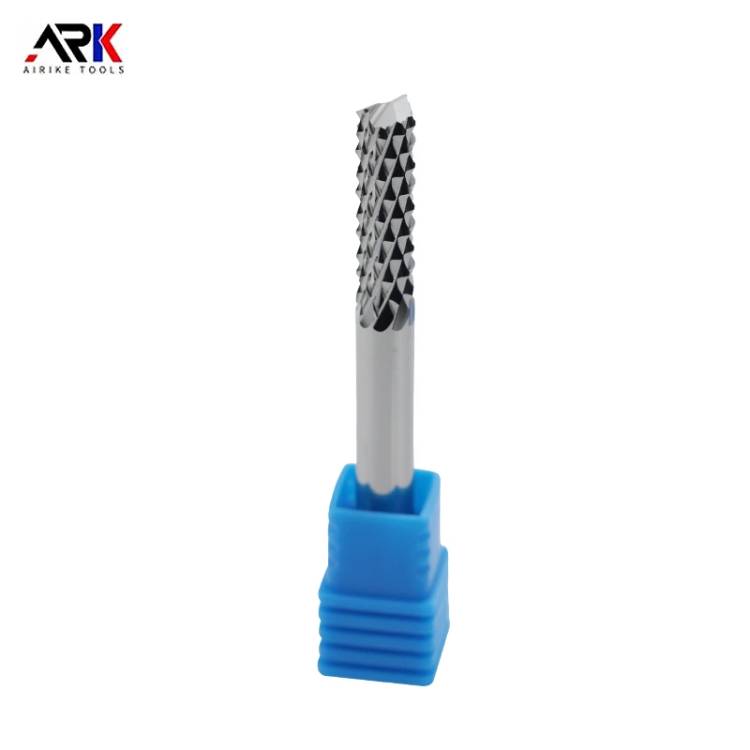
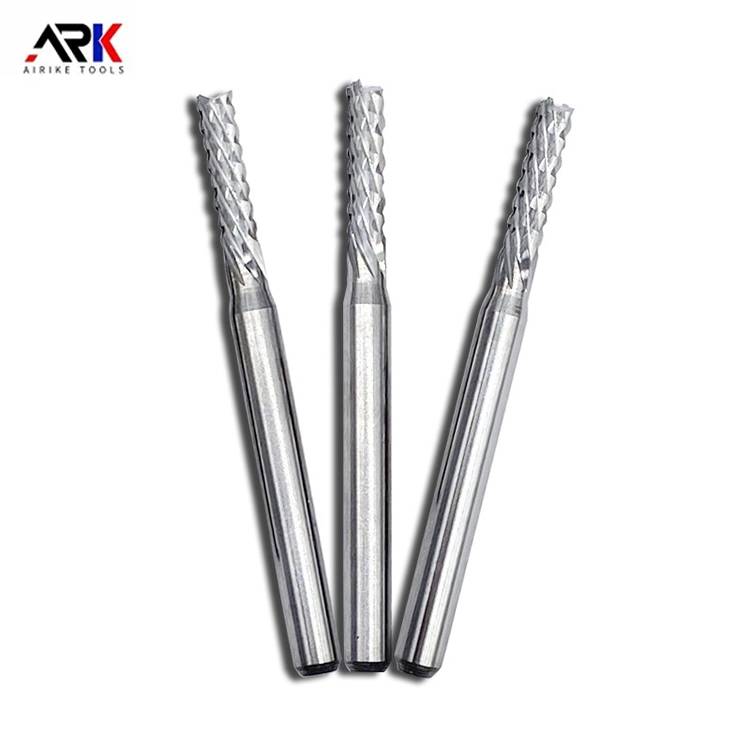
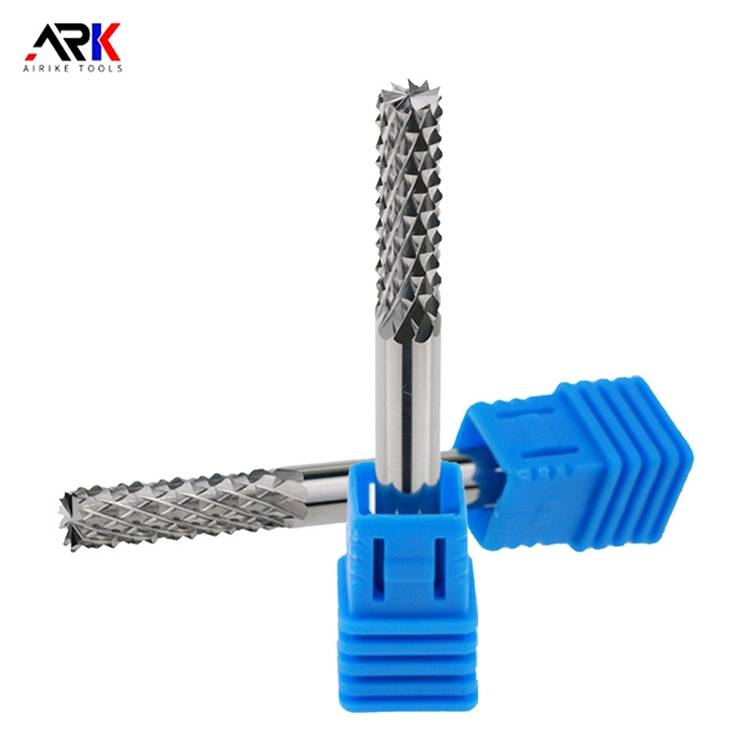
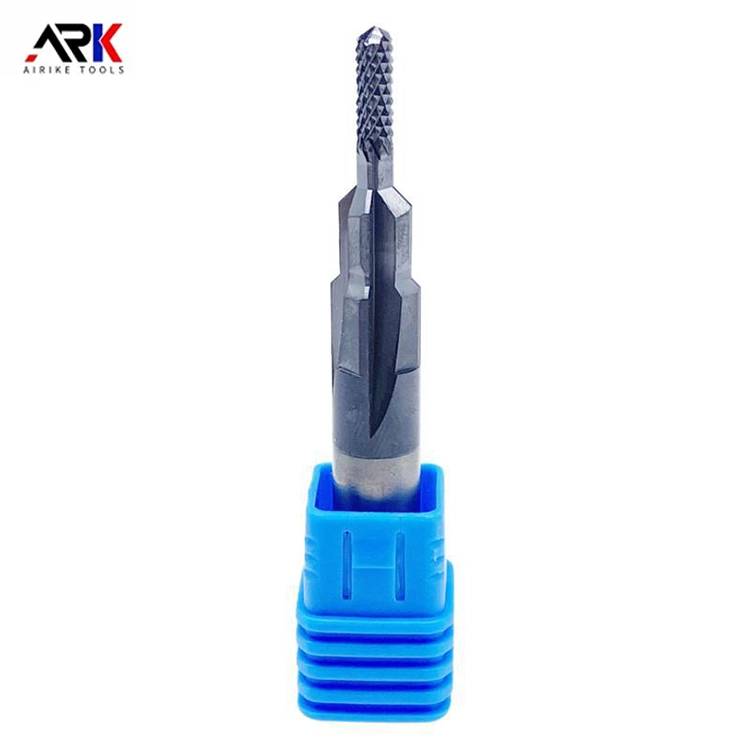
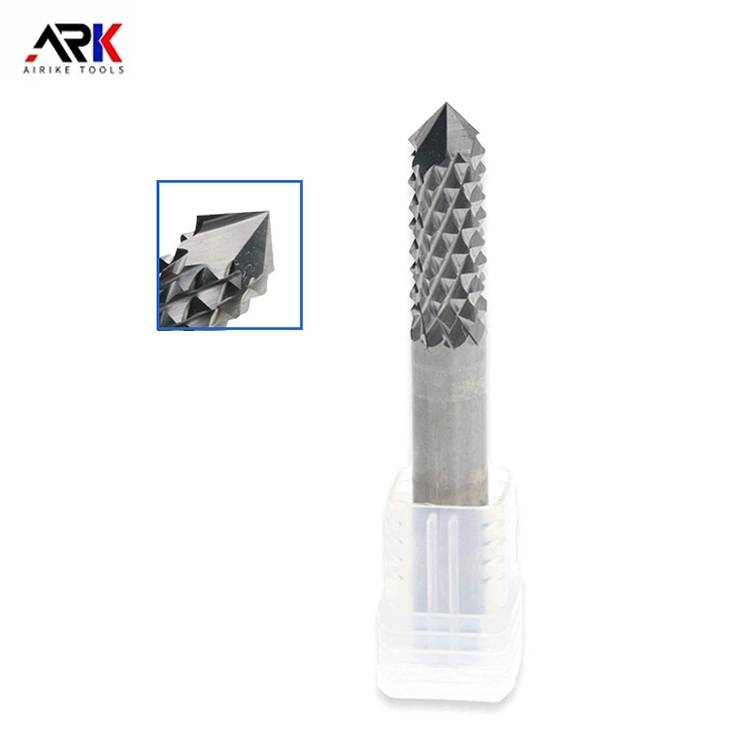
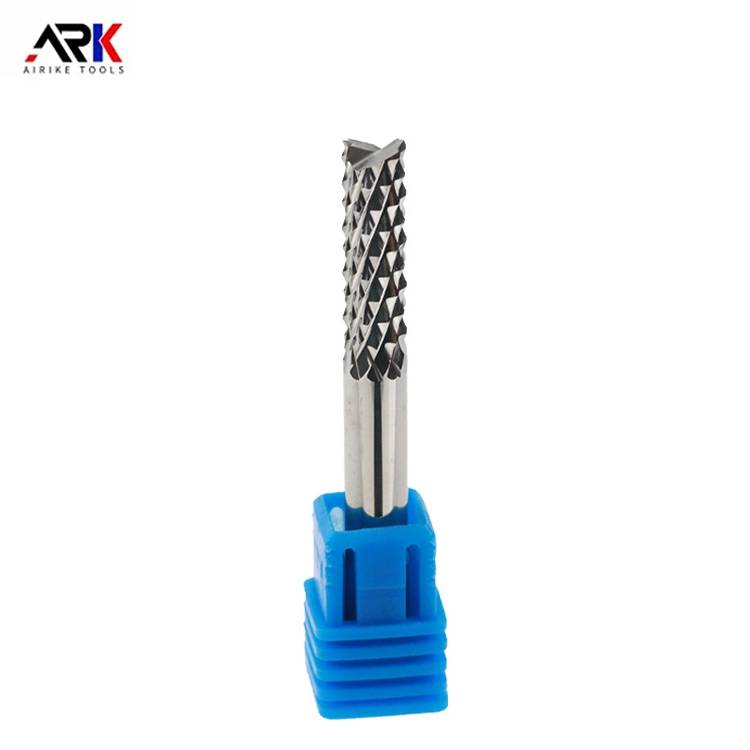
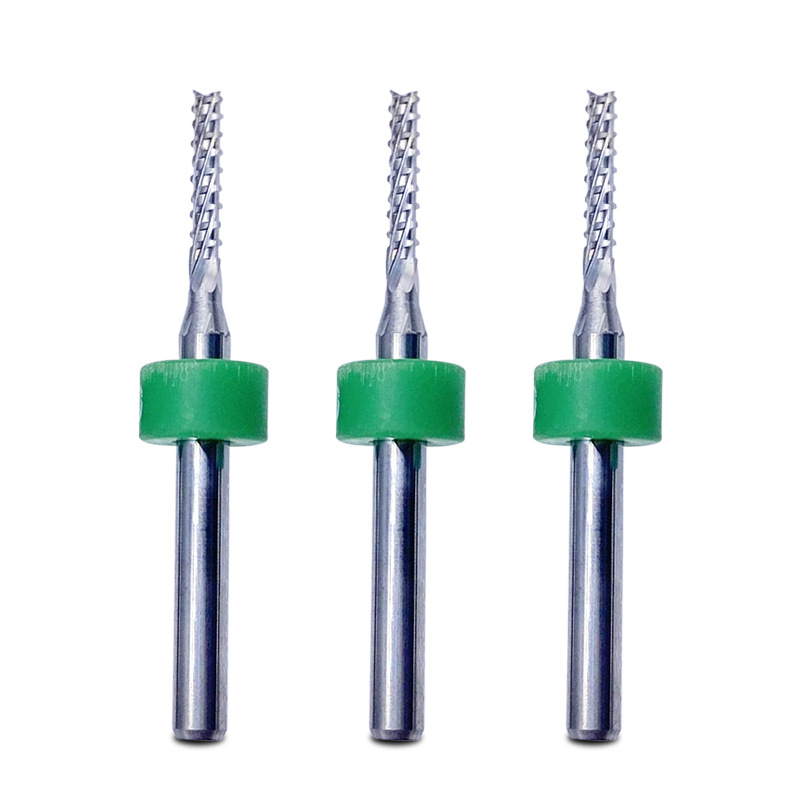
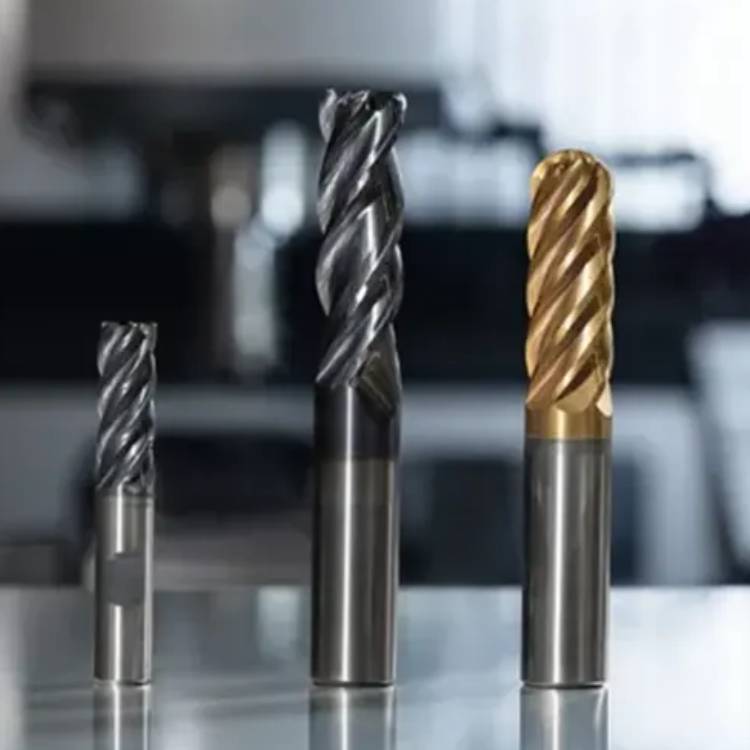
Common materials for carbon fiber tube drill bits: high-speed steel, solid carbide, diamond-coated, and welded PCD.
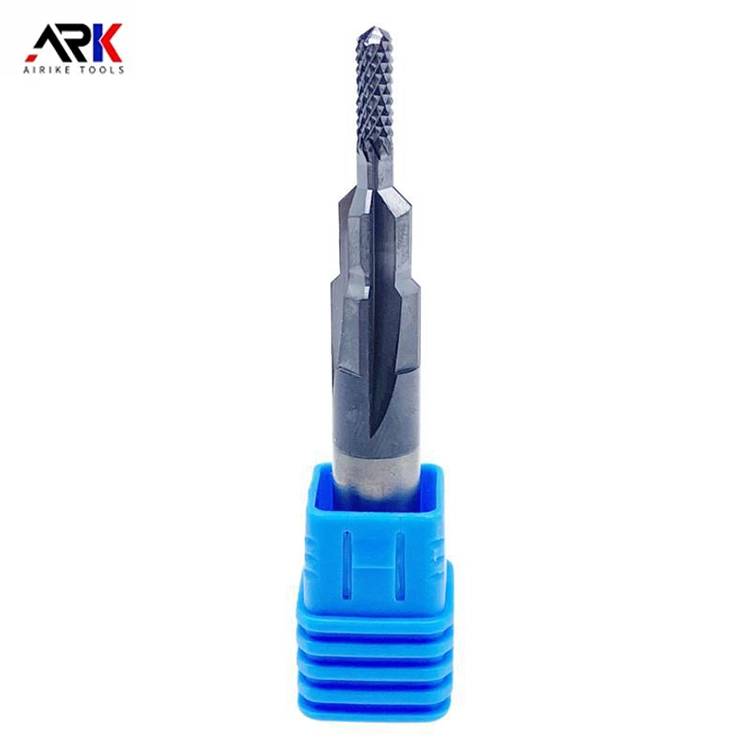
I. High-Speed Steel
The cutting edges of standard high-speed steel are extremely prone to being rounded off by carbon fiber. Once the edges become dull, they simply compress the fibers, causing excessive stress on the tube wall and resulting in severe delamination and tearing at the exit face. The high temperatures generated by friction can also char the resin matrix, compromising the strength around the hole. Unless you are drilling one or two small holes with extremely low quality requirements, the risk of scrapping the material far outweighs any cost savings.
II. Solid Carbide
Cemented carbide offers high hardness and excellent wear resistance, enabling effective cutting of fibers. However, standard cemented carbide tends to be brittle; if the cutting edge is not sharp enough or the rotational speed is improperly controlled, minor chipping may still occur at the exit. Prioritize ultra-fine-grain materials, which offer better toughness and sharpness for cleaner fiber cutting.
III. Diamond Coating
A cemented carbide substrate combined with a chemically vapor-deposited diamond coating offers extremely high hardness and significantly extended wear life. The extremely low coefficient of friction significantly reduces cutting heat and resin adhesion, resulting in a smoother drilling process and better protection for the exit of thin-walled tubes. For users with substantial production volumes, this option actually offers the lowest cost per hole.
IV. Welded PCD
PCD involves welding solid diamond tips onto a carbide substrate, achieving peak wear resistance and impact resistance, making it suitable for high-volume CNC machining. However, under manual or basic bench drill conditions, its high rigidity and high cost result in poor cost-effectiveness, making it unsuitable for the needs of most individual hobbyists.
Choose Based on Your Application
For occasional drilling or low annual production volumes, choose a solid carbide daggersaw or three-point drill with ultra-fine grit. This maintains basic hole wall quality while keeping costs manageable. For long-term, frequent DIY projects or small-batch production, diamond-coated drill bits offer the highest return on investment, with a per-hole cost far lower than frequently replacing uncoated bits. High-speed steel drill bits are not worth the risk on carbon fiber tubes; a single layer of delamination could render the entire tube unusable.
Two additional tips
Securely support the exit face with a scrap piece of wood or carbon fiber board, and use a step-drilling method—starting with a pilot hole before reaming to the target diameter. Combining these two techniques often reduces exit tearing more effectively than simply upgrading the drill bit material.
Therefore, selecting the right drill bit for carbon fiber tubes is more important than choosing the most expensive one. High-speed steel saves money but ruins the material; carbide is sufficient but has limitations; diamond-coated bits are the optimal solution for high-frequency use, and PCD is the industrial-grade solution. By selecting the appropriate grade based on your production volume and combining it with exit support and step drilling, you can minimize risks.
We hope you found this post from the Zhongyeda editorial team helpful. Subscribe to us to learn more.
Related News
- Technical Analysis | What Determines the Surface Finish of Diamond Milling Cutters? Suitable for Tile Processing
- Material Comparison | How to Choose the Right Material for Carbon Fiber Tube Drill Bits?
- Carbon Fiber Drill Bits| A Practical Guide | Why Can’t You Just Use Any Old Drill Bit for Model Aircraft and Drones?
- Why Have PCD Tools Become an Essential Choice in Automotive Manufacturing?
Leave me a message