

News
NewsWe are pleased to share with you the outcomes of our work, company news, and keep you updated on timely developments as well as the latest personnel appointments and departures.
 312026-05
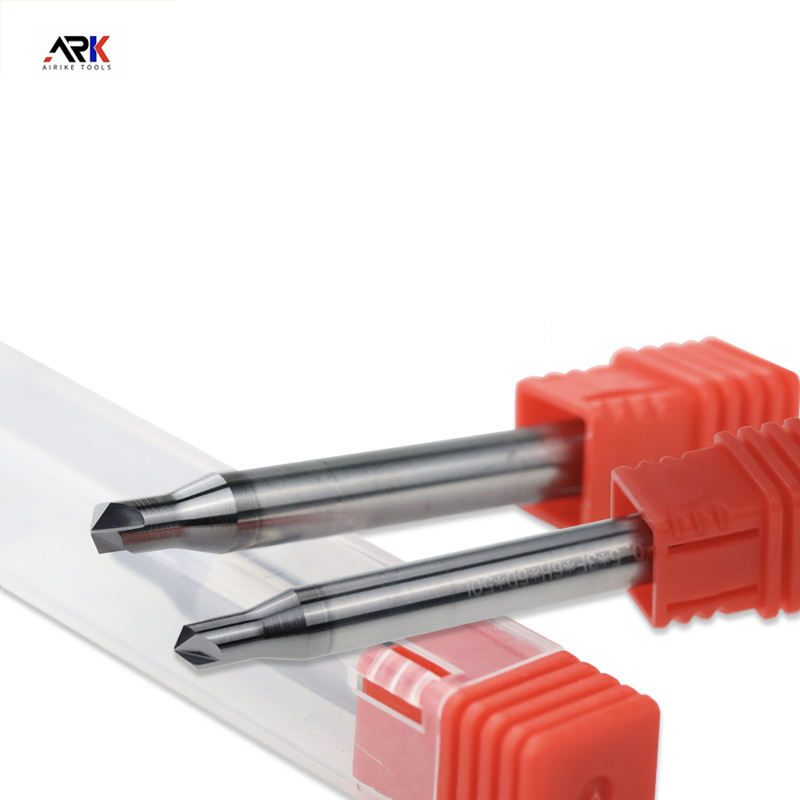
Technical Analysis | What Determines the Surface Finish of Diamond Milling Cutters? Suitable for Tile Processing
The surface finish of workpieces machined with diamond milling cutters is closely related to three factors: tool grit size, machining process, and material being machined. End mills with different grit sizes and materials produce significantly different surface results. Choosing the right tool will significantly improve both machining efficiency and finished product quality. Let’s take a closer look at the details below.
 302026-05
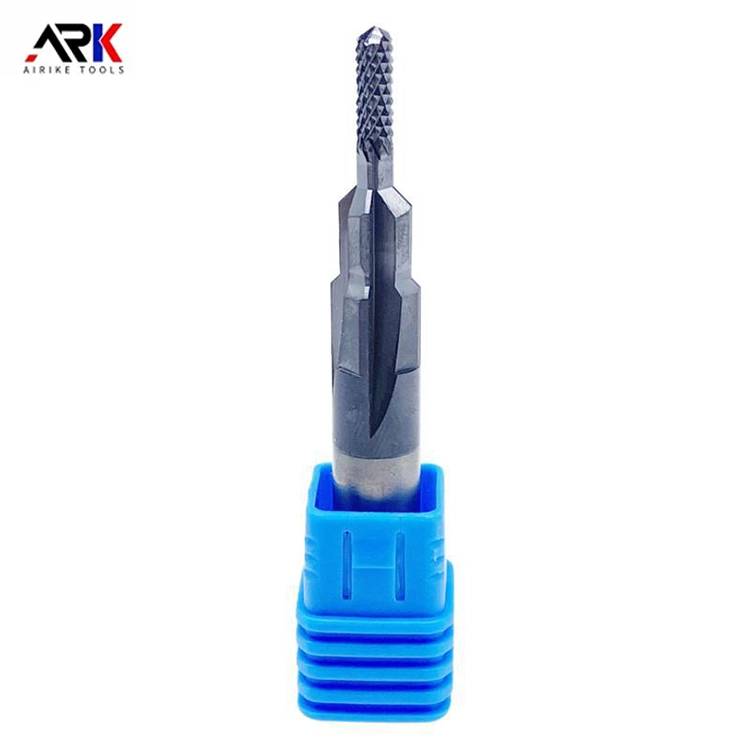
Material Comparison | How to Choose the Right Material for Carbon Fiber Tube Drill Bits?
In the drilling of carbon fiber tubes, the selection of drill bits is far more demanding than when drilling flat plates. The curved surface, hollow structure, and thin-walled nature of the tubes significantly increase the risk of delamination, tearing, and chipping. Therefore, the choice of material is key to solving the challenge of “how to efficiently cut high-strength fibers while minimizing damage.”
 302026-05
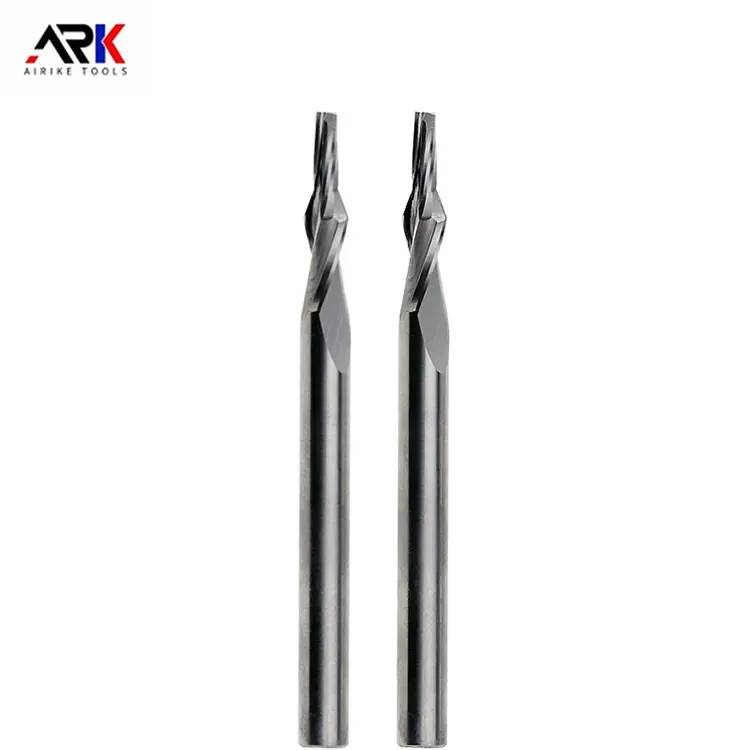
Carbon Fiber Drill Bits| A Practical Guide | Why Can’t You Just Use Any Old Drill Bit for Model Aircraft and Drones?
For model aircraft and drone enthusiasts, A single drilling error can instantly ruin a carbon fiber panel worth hundreds of dollars—a cost far greater than that of a single drill bit. Therefore, the cost-effectiveness of a good set of carbon fiber drilling bits is never simply a matter of “cheap and functional,” but rather a comprehensive consideration of hole wall quality and service life while ensuring the safety of the workpiece. Today, we’ll explore the cost-effectiveness of high-quality drill bits.
 232026-05
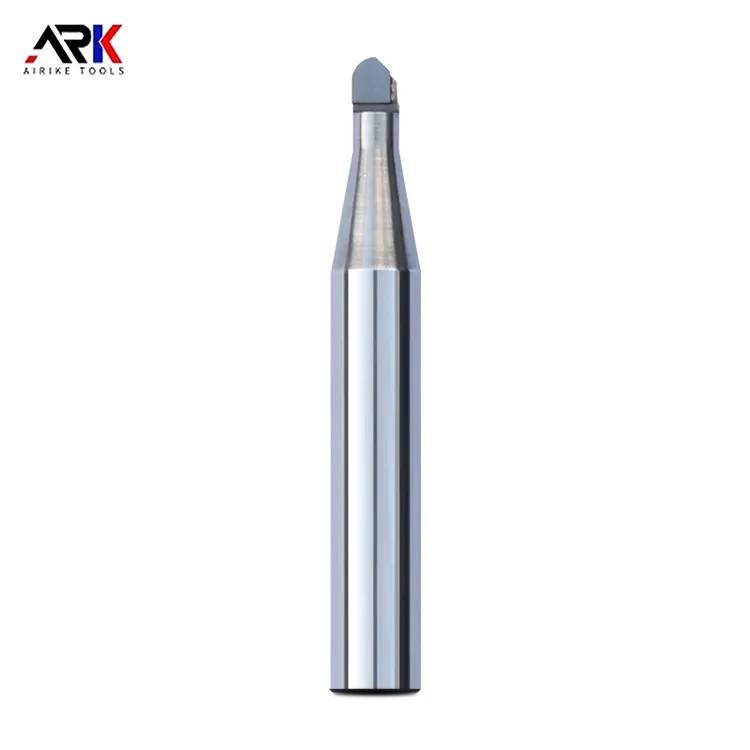
Why Have PCD Tools Become an Essential Choice in Automotive Manufacturing?
With the trend toward automotive lightweighting, high-silicon aluminum alloys and composite materials are being widely used in engines, transmissions, chassis, and the three-electric systems of new energy vehicles. Traditional carbide tools wear down extremely quickly when machining these materials. Thanks to their exceptional hardness and wear resistance, PCD tools have become indispensable in mass production. Today, we’ll take a closer look at this topic.
 112025-02
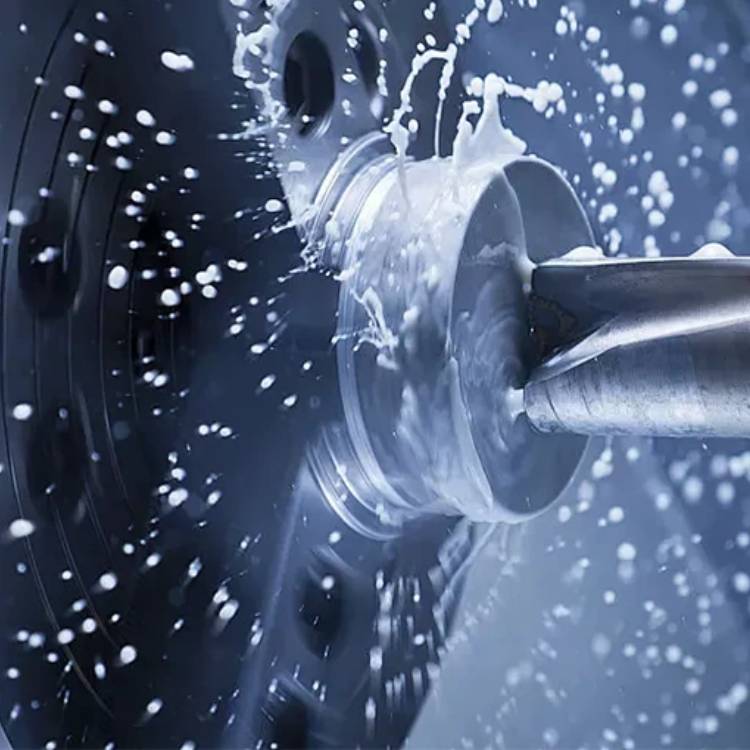
How to choose a suitable diamond milling cutter?
Diamond milling cutteris an efficient and precise tool. Due to its high hardness, high cutting accuracy and long life, it is widely used in the processing of various materials, such as metal, stone, c...
 132026-04
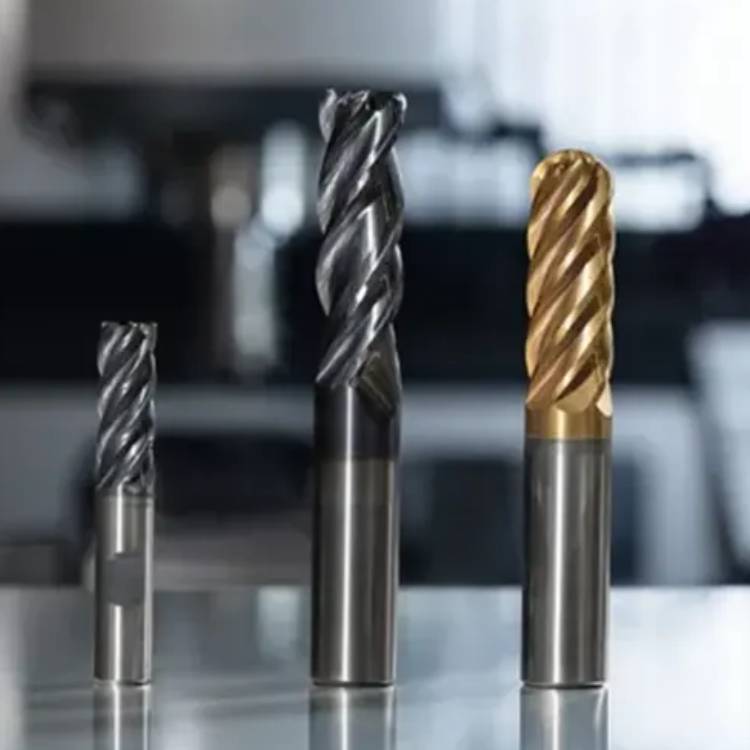
How to use welding milling cutter?
Welding milling cutter is a kind of welding cemented carbide blade fixed on the cutter bar milling tool, it combines the high hardness and wear resistance of cemented carbide and the high strength of ...
 052025-02
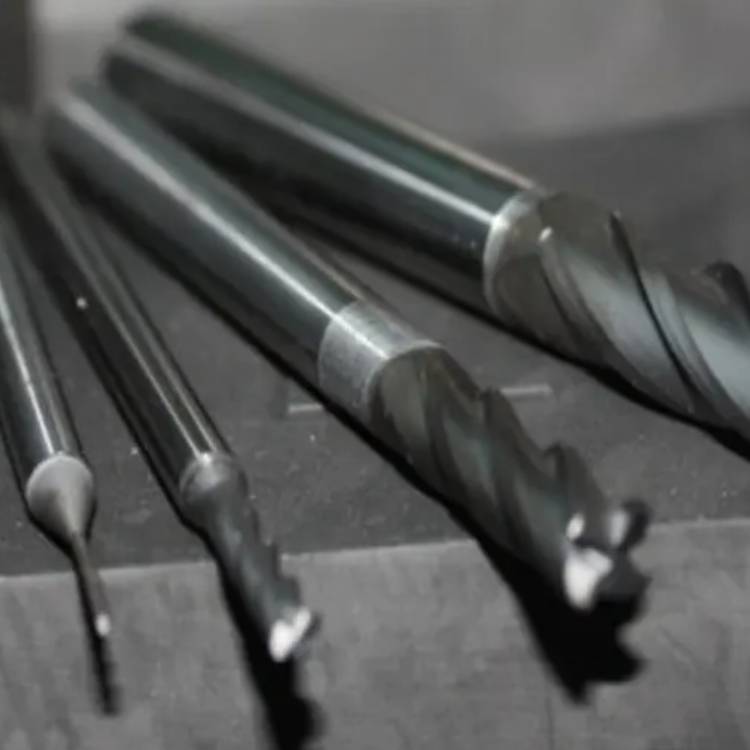
How durable is carbon fiber milling cutter?
Carbon fiber milling cutter, as a high performance cutting tool, can be used for coarse and fine machining of carbon fiber composites and glass fiber composites. And the durability of carbon fiber mil...
 042025-02
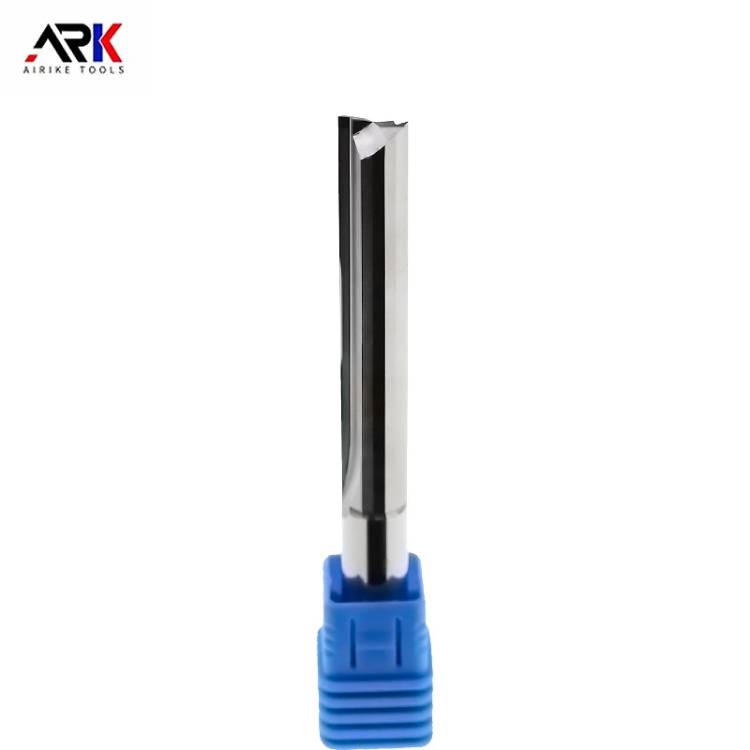
What is the appropriate degree of milling cutter for engraving machine?
The selection ofmilling cutter for engraving machineshould be comprehensively considered according to multiple factors such as hardness of processing material, processing precision requirements and to...
 112025-02
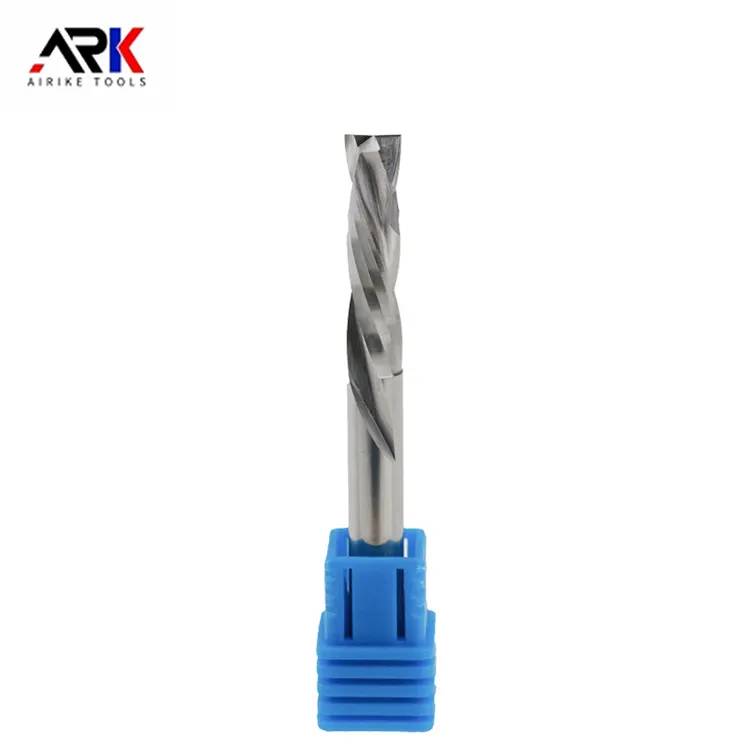
Operating specifications of acrylic milling cutters
Speaking ofacrylic milling cutters, many people may not know that acrylic milling cutters are high-quality tungsten steel milling cutters specially developed for acrylic engraving machines. They are m...
 202025-02
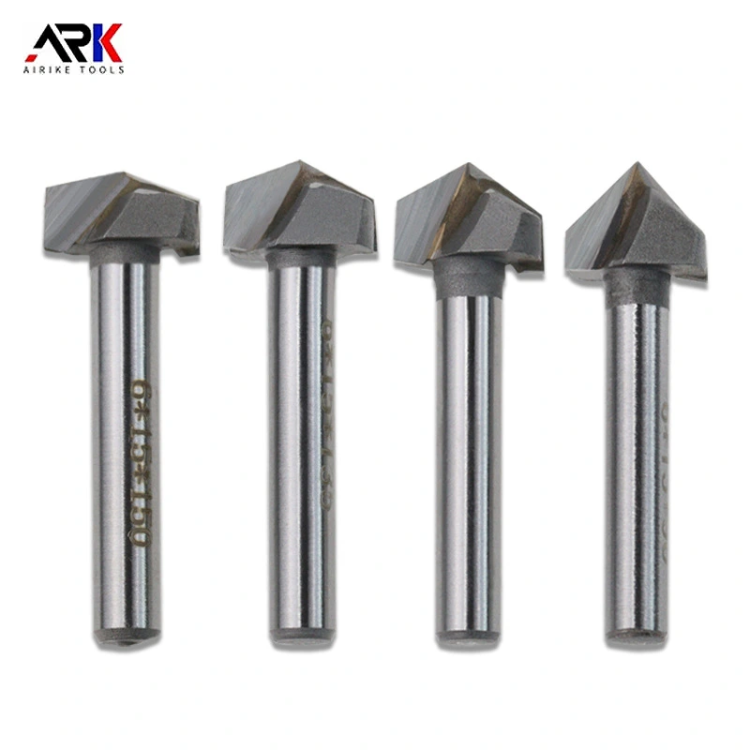
What are the differences between woodworking milling cutters and metal milling cutters?
Woodworking milling cuttersare mainly used for cutting and processing materials such as wood, plywood, and medium-density fiberboard. It can easily cut planes and cut wood into flat boards or particle...