
Your Essential Guide to Choosing the Perfect Engraving Machine Milling Cutter
How to Choose a Good Engraving Machine Milling Cutter
An engraving machine milling cutter is the finishing touch in digital manufacturing, a precision tool that transforms digital designs into exquisite physical objects. Choosing the wrong cutter can lead to damaged parts, project failures, wasted time, and accumulating frustration. However, if you understand its core principles and find the right partner, you can achieve unprecedented precision and efficiency, thereby transforming your work and ultimate profits.
The key to success: It starts with the cutting tip
Dull, mismatched, or inferior cutting tips can affect surface finish, detail reproduction, tool life, and even the lifespan of the machine. Therefore, whether you are carving intricate wooden signs, machining precision aluminum parts, or etching durable granite monuments, choosing the right engraving machine milling cutter is crucial.
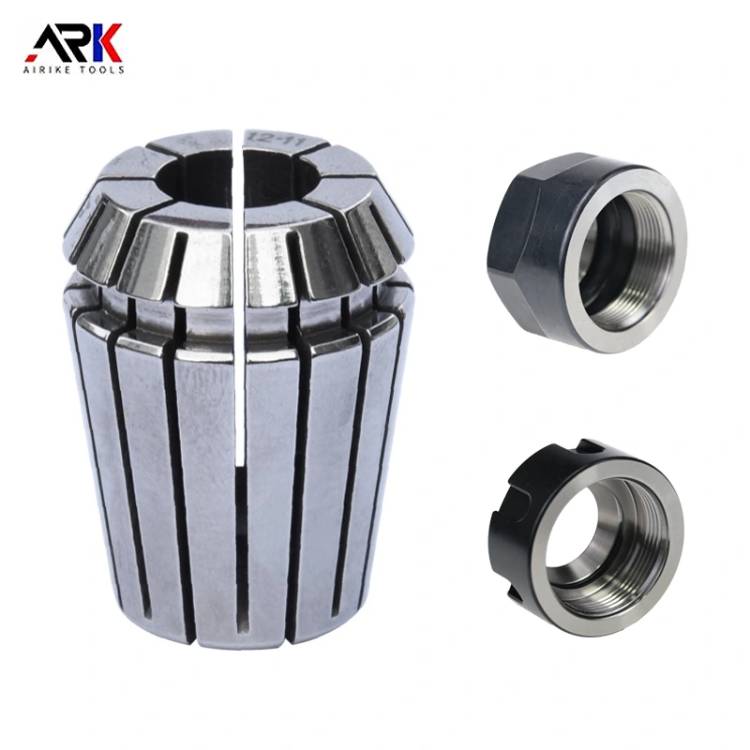
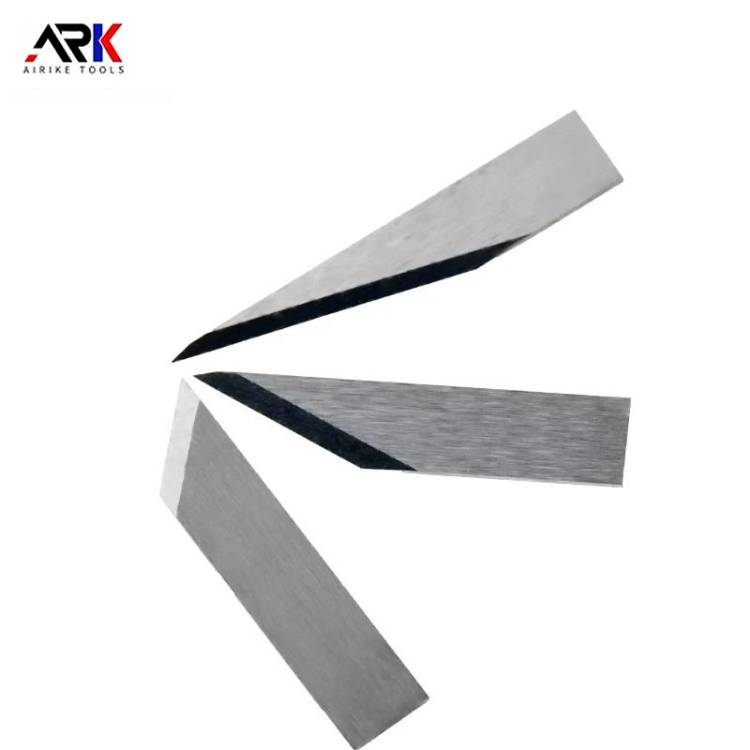
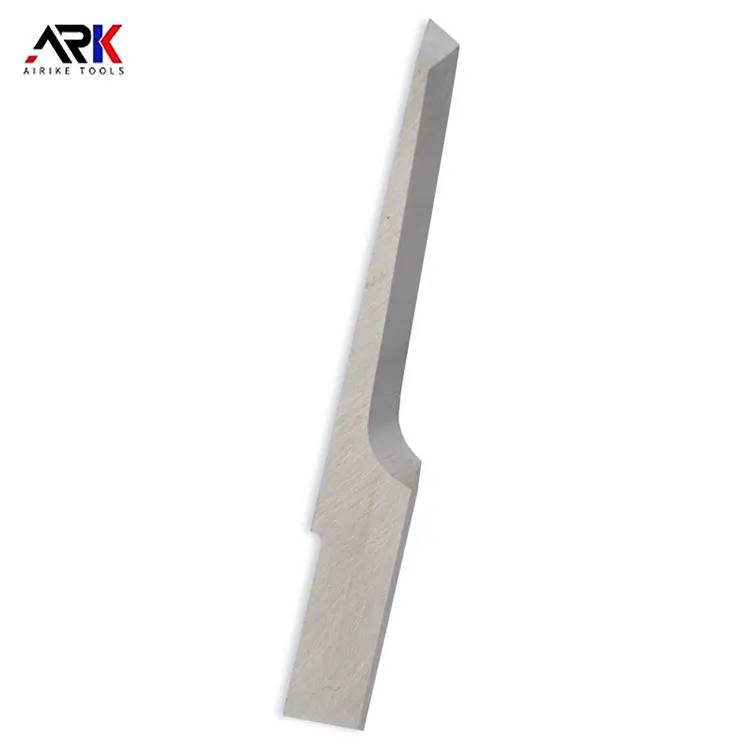
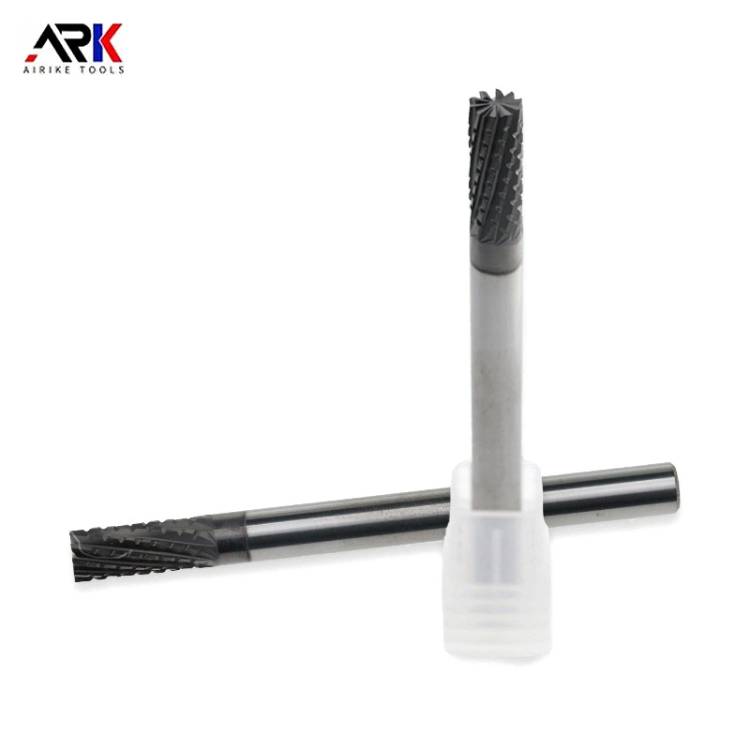
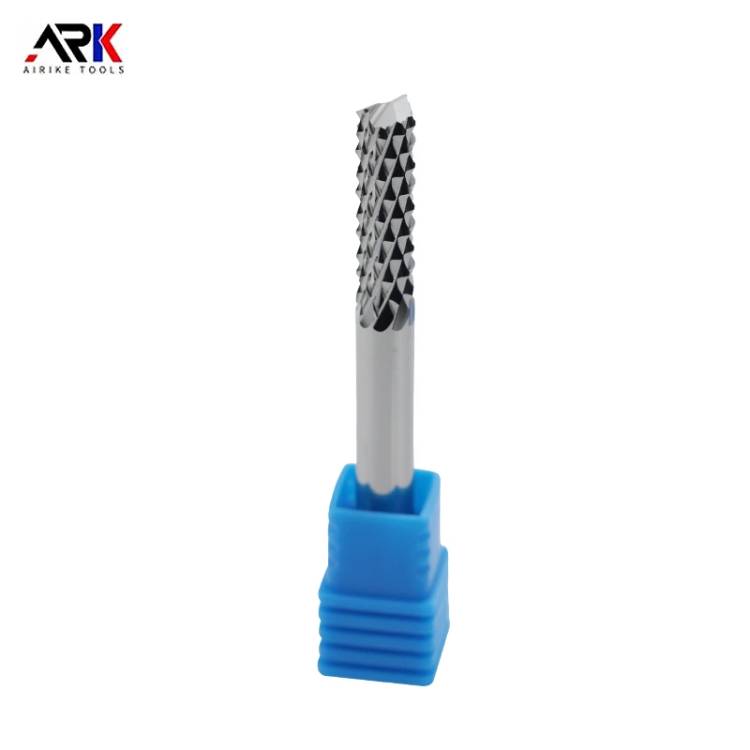
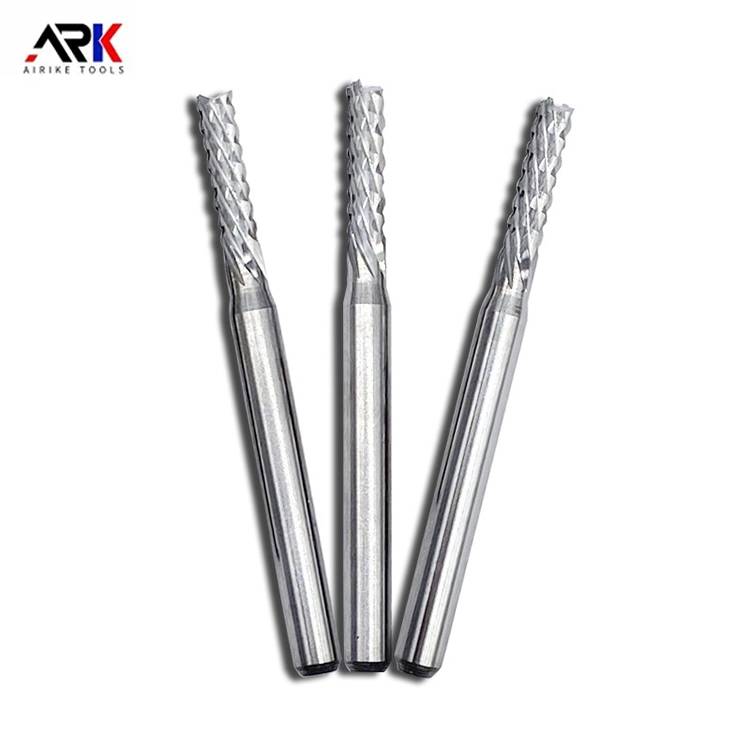
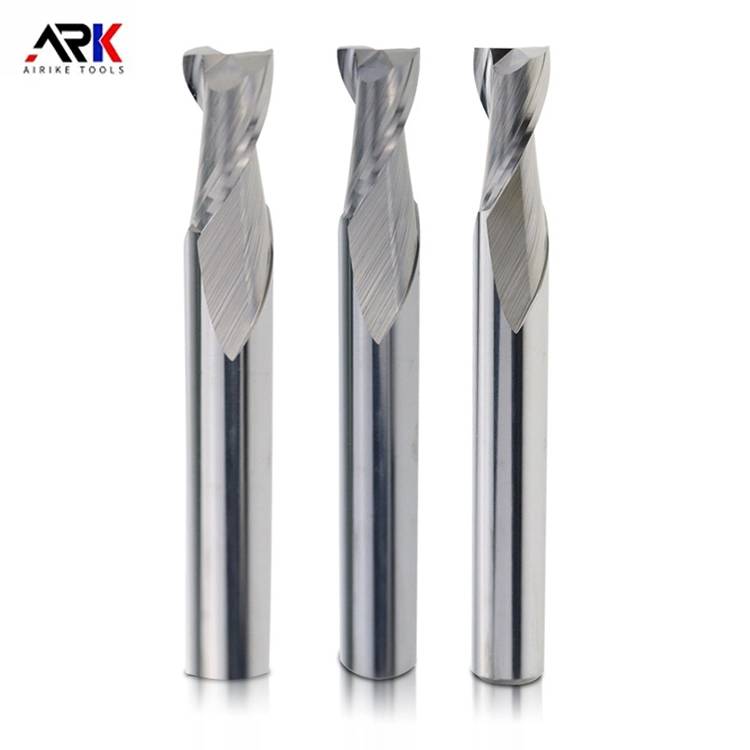
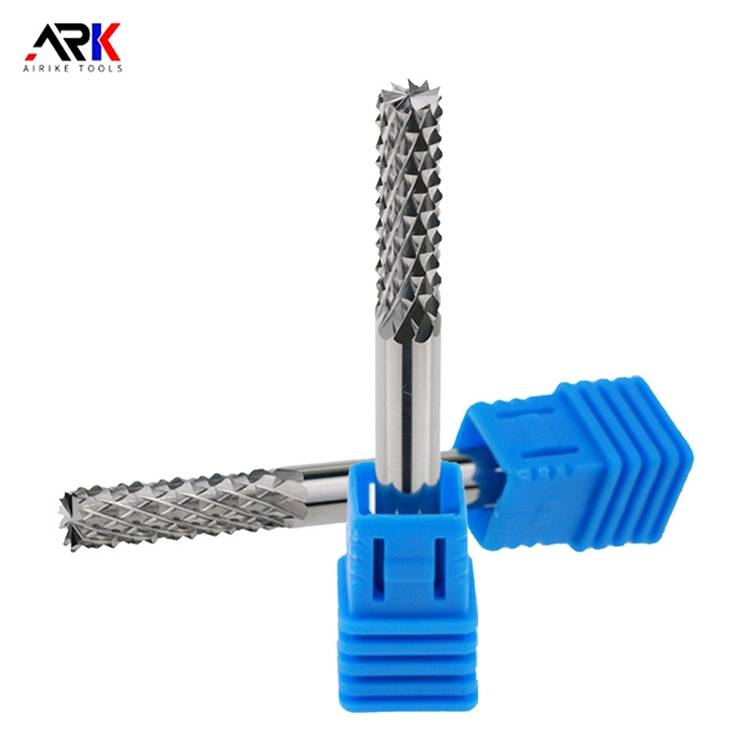
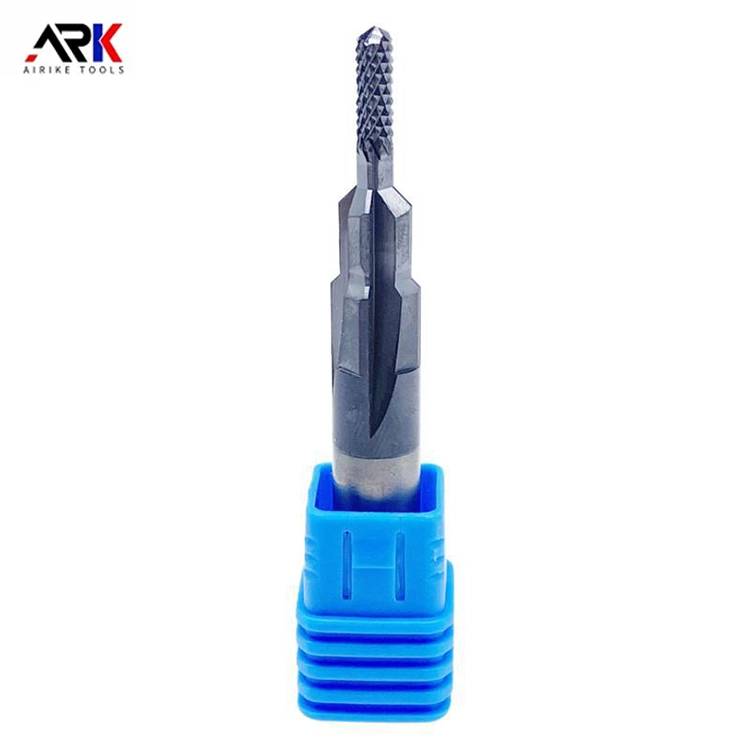
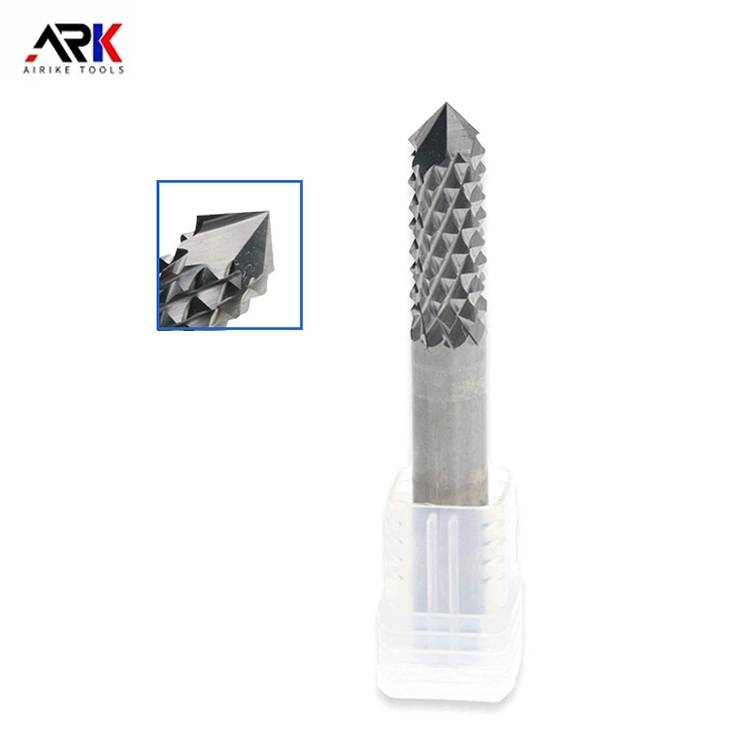
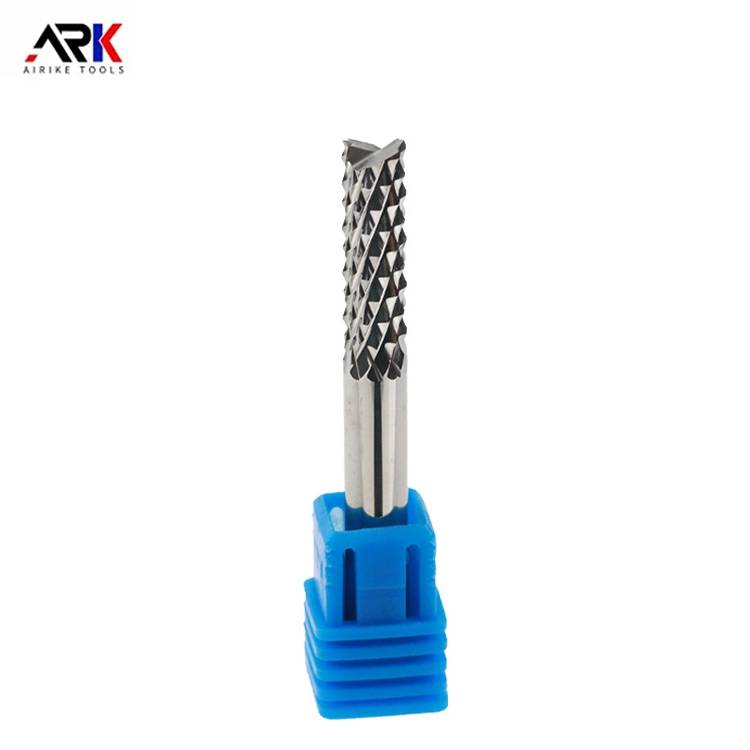
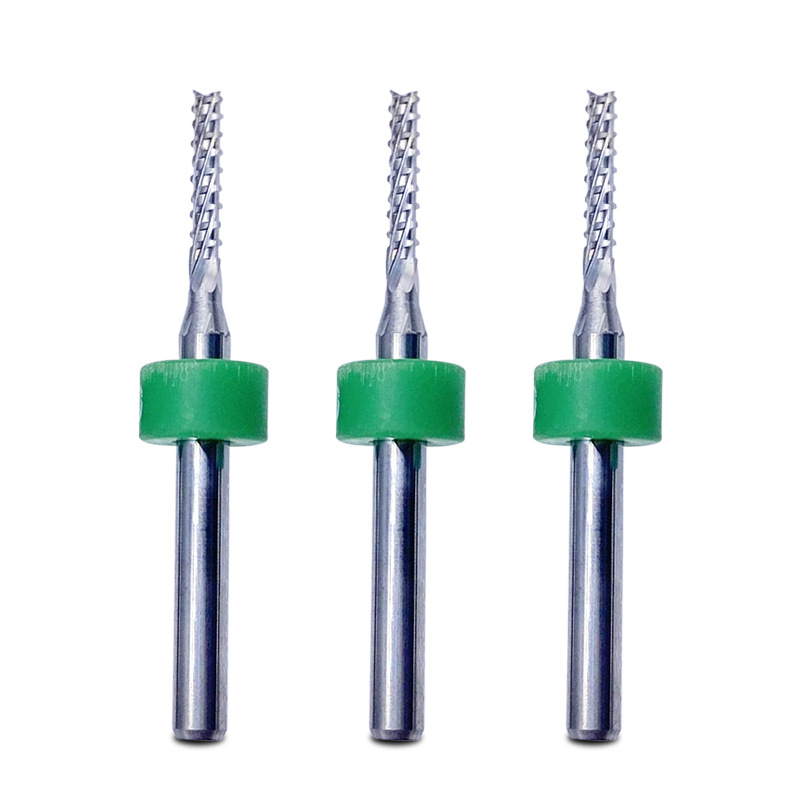
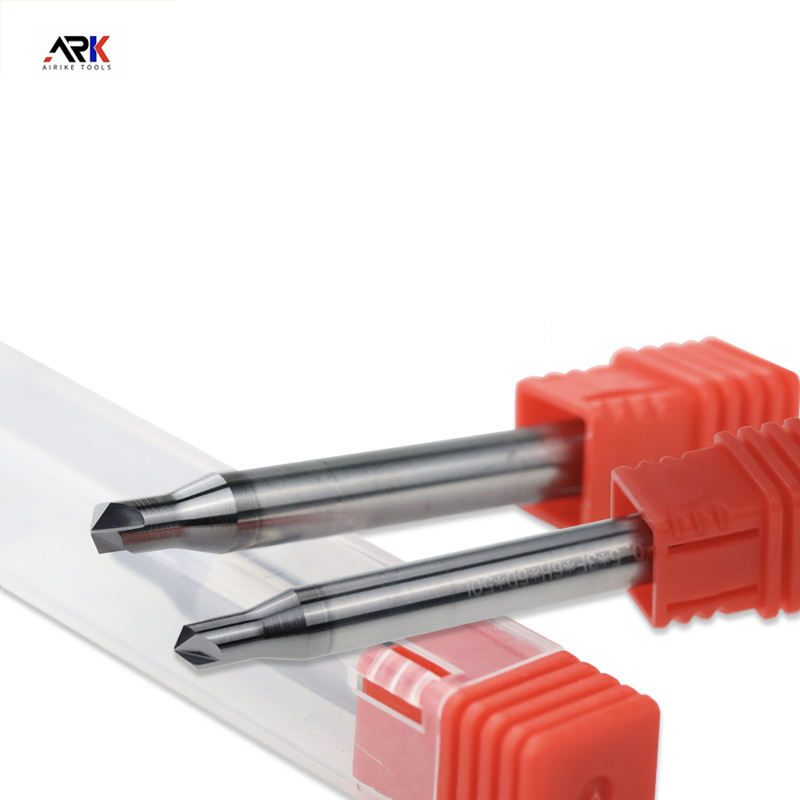
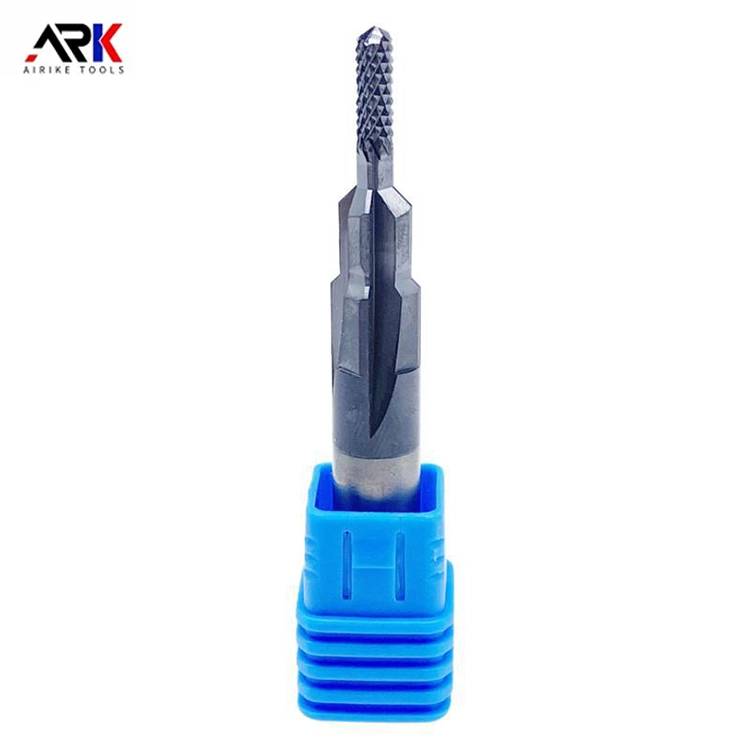
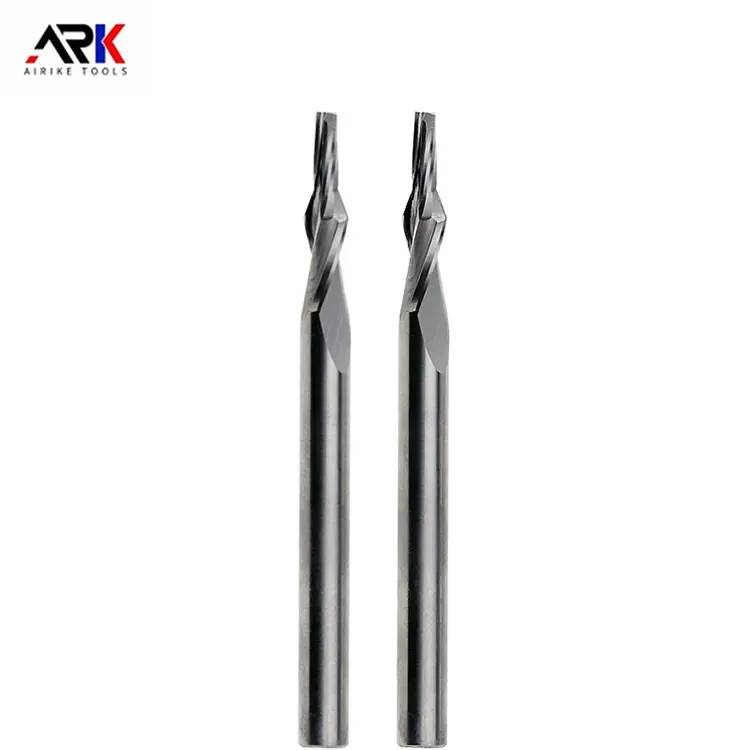
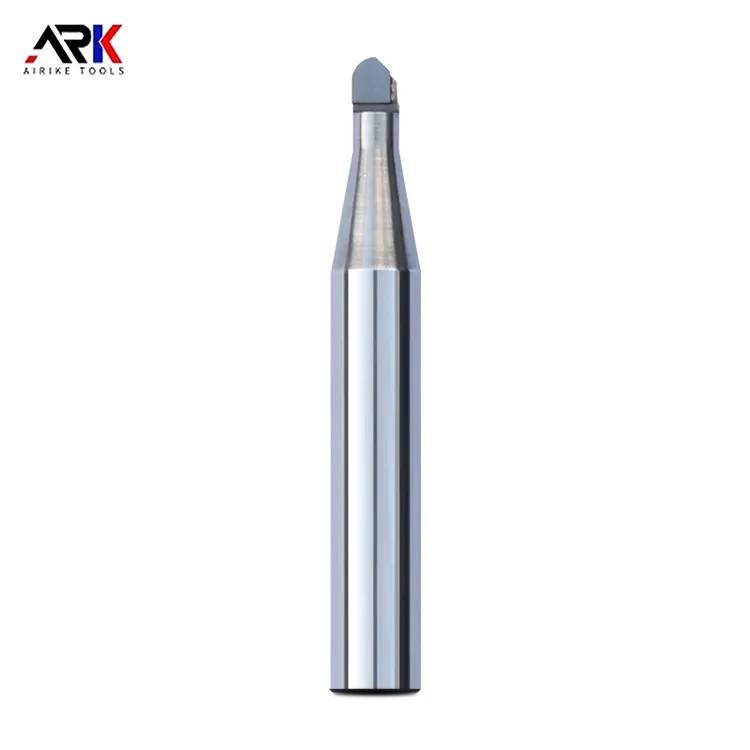
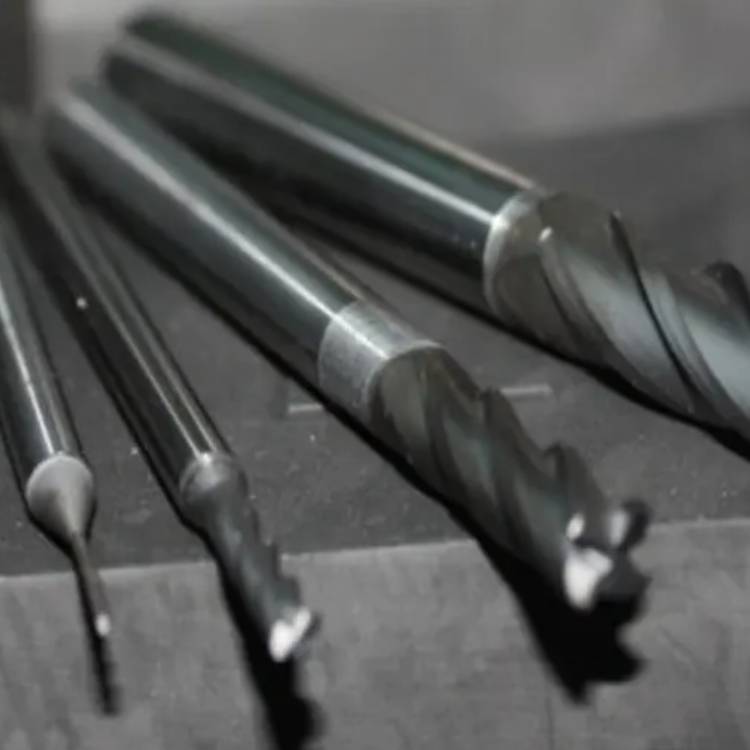
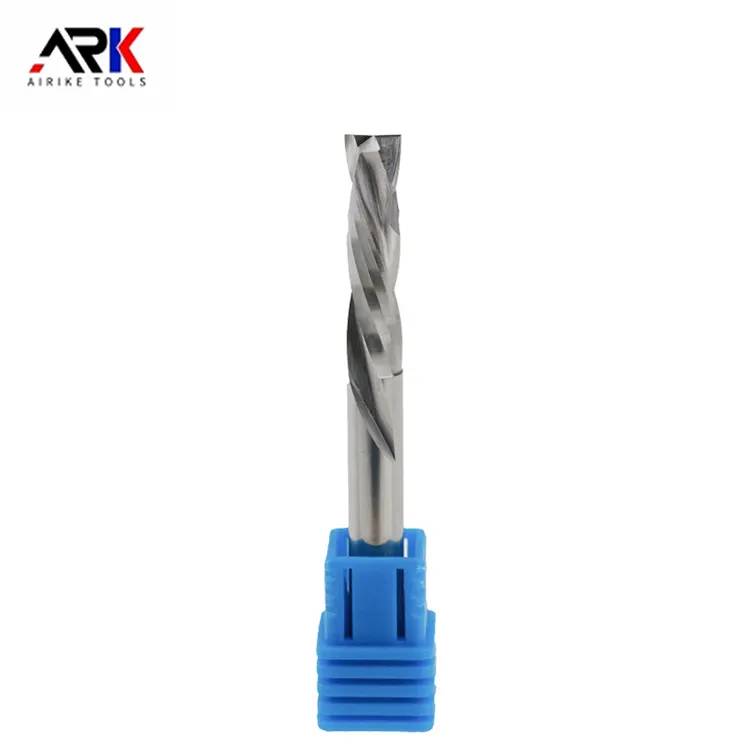
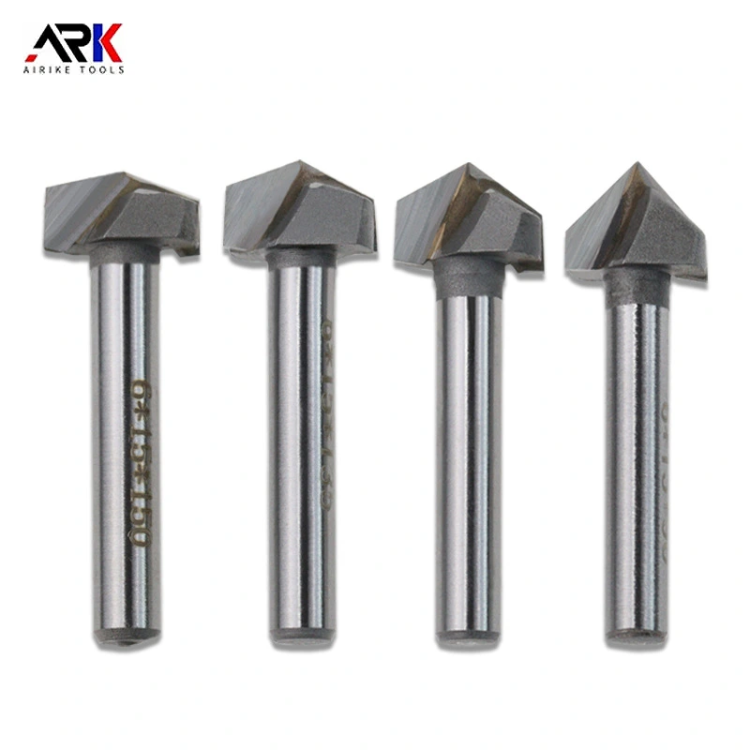
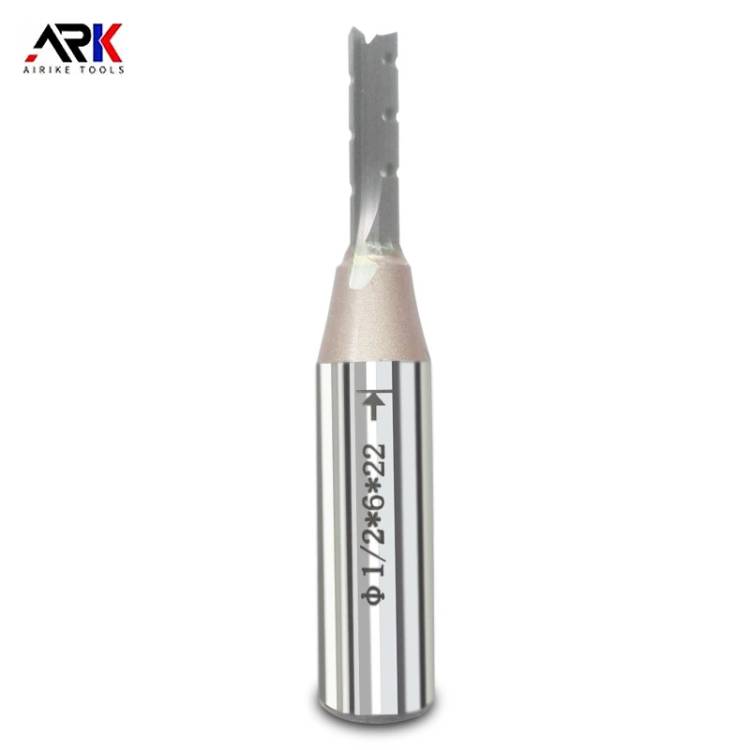
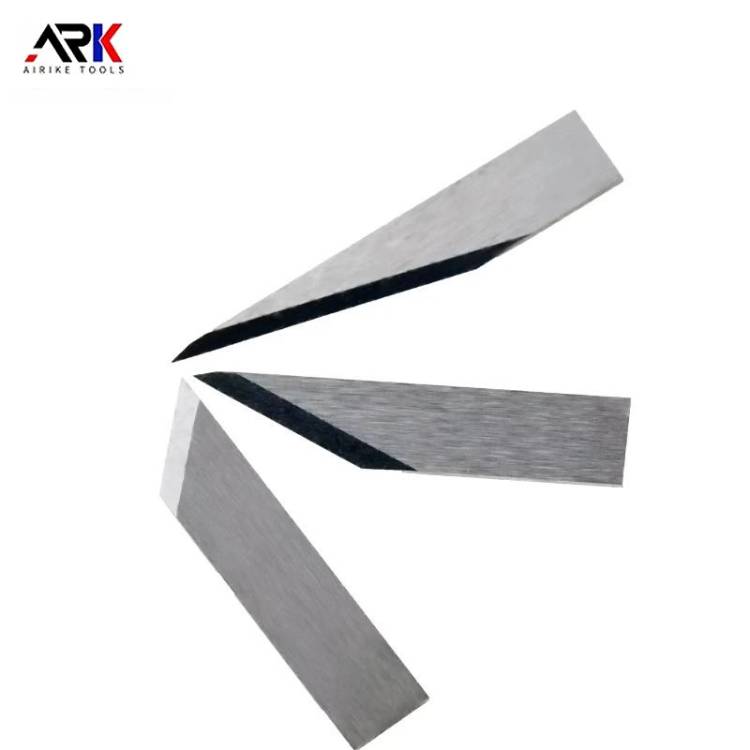
Detailed introduction to commonly used engraving machine milling cutters: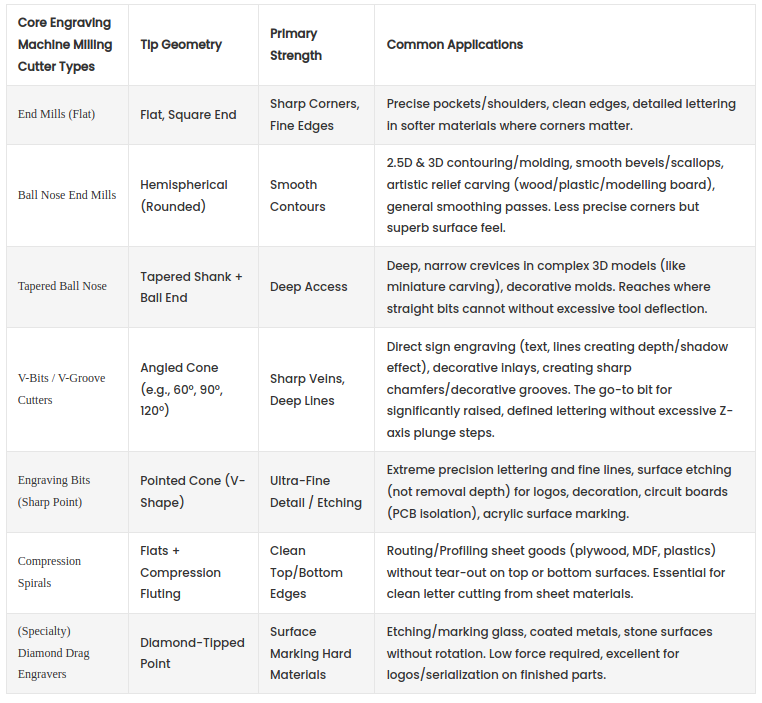
Perfect Match Between Engraving Machine Milling Cutter and Workpiece
Understanding the interaction between the tool and specific materials can prevent material breakage and ensure perfect machining results.
1. Wood and Composite Material Machining:
Challenges: Wide range of hardness, diverse textures, knots, resin dulling of tools, and abrasives.
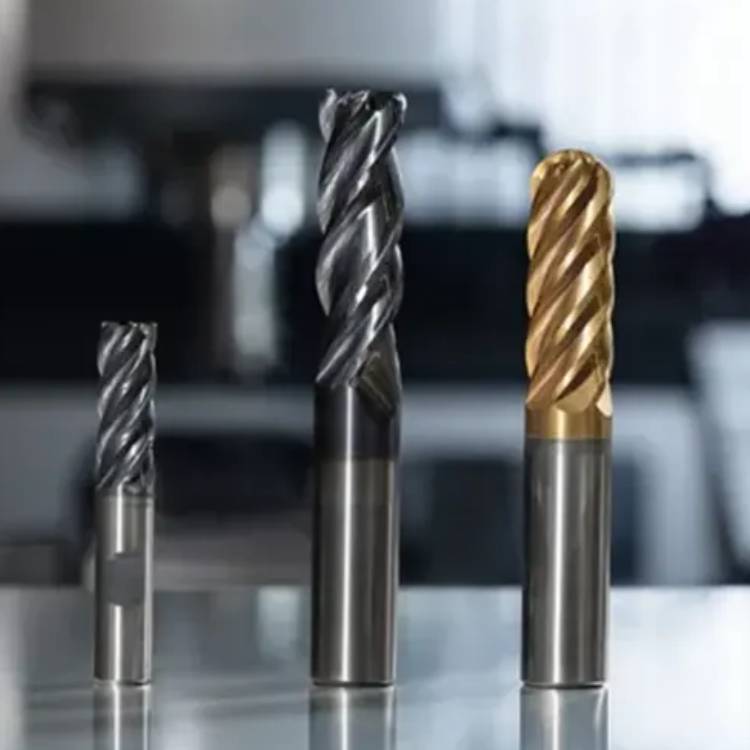
Key Tools: Compression helical end mills are essential for sheet metal machining; undercut helical end mills are used for fine surface finishes; ball end mills/tapered ball end mills are used for 3D engraving; overcut end mills are used for efficient roughing of solid wood; sharp V-cut end mills are used for fine text engraving.
Key Considerations: Consider the wood grain direction as much as possible. Always use sharp tools to avoid dulling exacerbating tearing and frictional heat. Carefully consider chip load, especially when machining composite materials containing abrasives. For very hard woods, lower speeds are often more effective.
2. Metal Machining:
Challenges: Work hardening, high heat generation, high toughness requirements for rigid geometry, and achieving smooth surfaces.
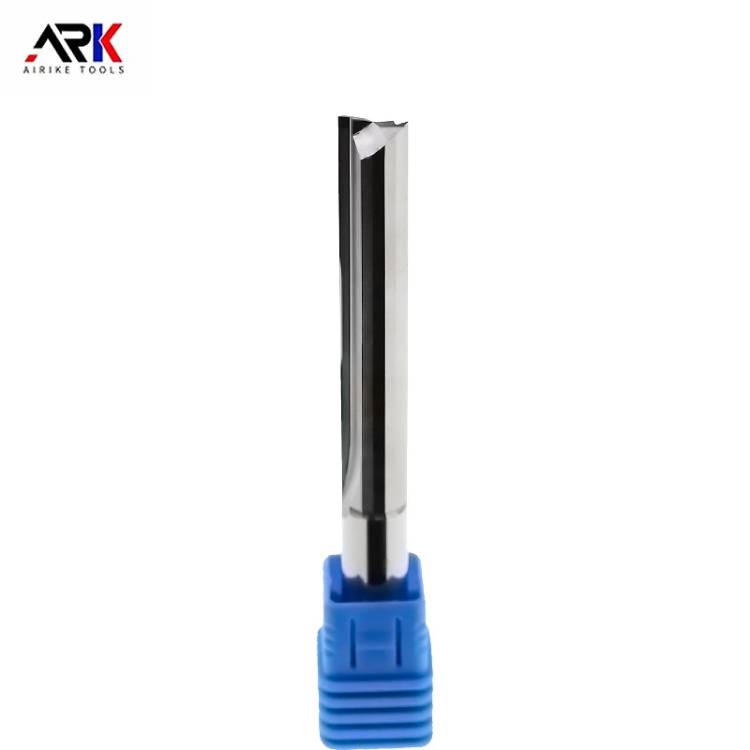
Main cutting tools: 2- or 3-flute end mills designed for aluminum or stainless steel; ball end mills for contouring; diamond drag cutters for surface marking.
Key considerations: Minimize heat, prevent work hardening, flush chips, extend tool life, and avoid using high-speed steel for batch metal engraving—it will dull quickly.
3. Stone and Glass Machining:
Challenges: Extremely abrasive properties require tools with a hardness exceeding that of the material itself, posing a risk of brittleness.
Main cutting tools: Diamond-coated carbide tools or solid diamond tips for stone/high-density ceramics; diamond drag cutters/diamond tips for glass or surface etching.
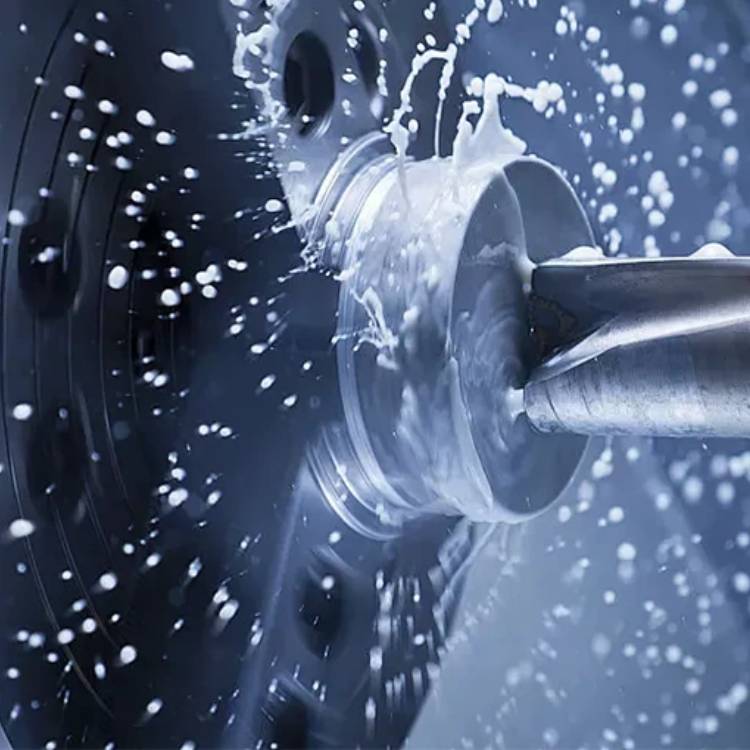
Key considerations: Continuous water supply is typically required to protect the diamond bond, suppress dust, and cool the tool. Diamond tips require frequent dressing to expose new material. The workpiece must be securely held to cushion the impact of vibrations on brittle materials.
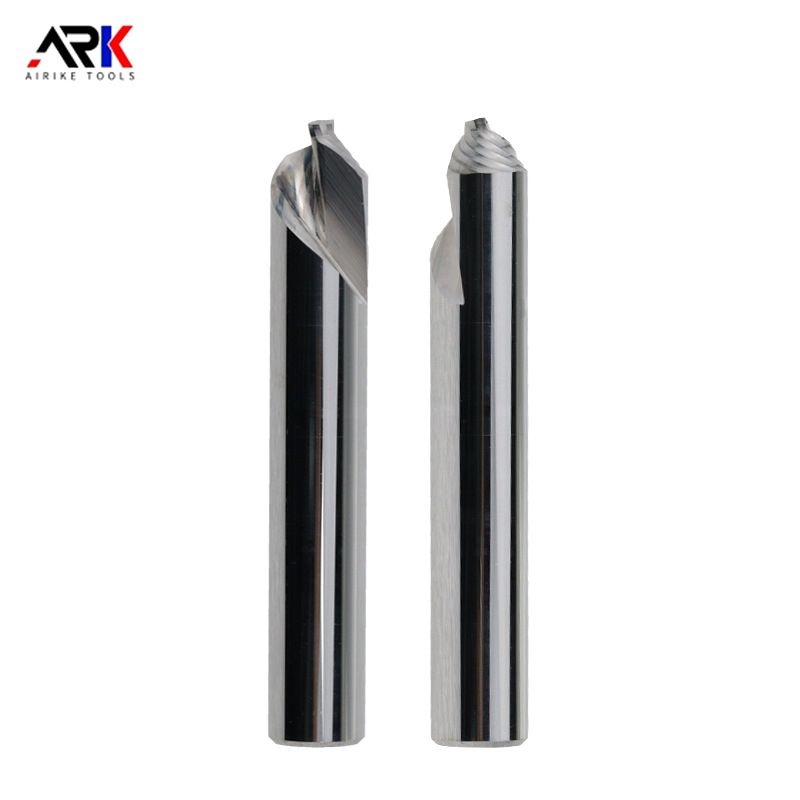
Choosing the right tool geometry is crucial, but the other half lies in trusting the manufacturer of your engraving machine milling cutter. Zhongyeda's reputation is built on solving the core challenges engravers face daily:
1. High-performance materials as standard: From premium micron-sized carbide designed for impact resistance and extended sharpness to professionally bonded diamond coatings for wear resistance, our tools have a solid foundation from the outset for demanding tasks. This avoids the pitfalls common in inexpensive imported tools: rapid dulling, chipping under load, and batch-to-batch performance inconsistencies.
2. Carefully designed grooves: Whether it's a powerful upper cutter for wood cleaning, a clamping action for fine finishing, or balanced chip removal in industrial end mills for aluminum machining, effective chip removal prevents repeated cutting, overheating, and tool failure.
3. Optimized Diversity: From precision tools for jewelry engraving to robust spiral cutters for plywood signage, Zhongyeda understands a wide range of applications. We offer a comprehensive range of geometries (plain, ball, V-shaped, tapered) and flute designs to ensure you find the right tool for your specific material and desired machining results.
4. Durability: High-quality carbide means more cuts can be made before needing grinding or replacement, and excellent chip removal prevents secondary wear. This inherent toughness, combined with the possibility of specialized grinding, significantly reduces the cost per part and minimizes production downtime.
Related News
- Technical Analysis | What Determines the Surface Finish of Diamond Milling Cutters? Suitable for Tile Processing
- Material Comparison | How to Choose the Right Material for Carbon Fiber Tube Drill Bits?
- Carbon Fiber Drill Bits| A Practical Guide | Why Can’t You Just Use Any Old Drill Bit for Model Aircraft and Drones?
- Why Have PCD Tools Become an Essential Choice in Automotive Manufacturing?
Leave me a message