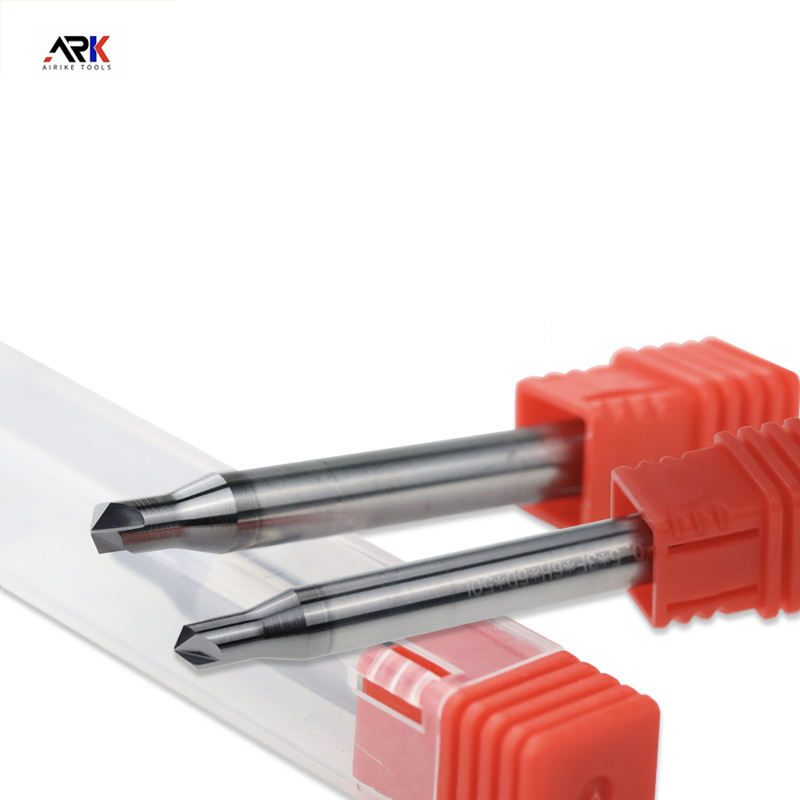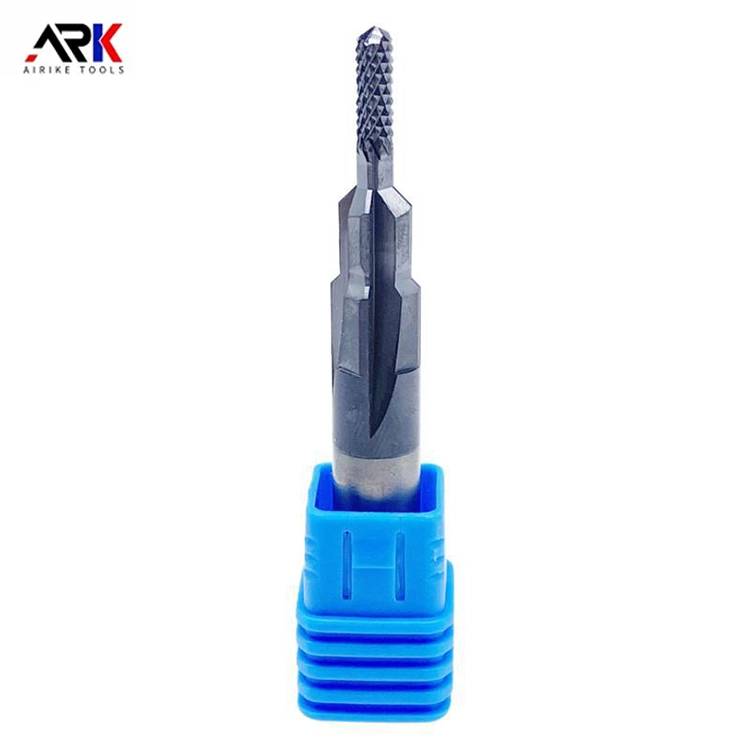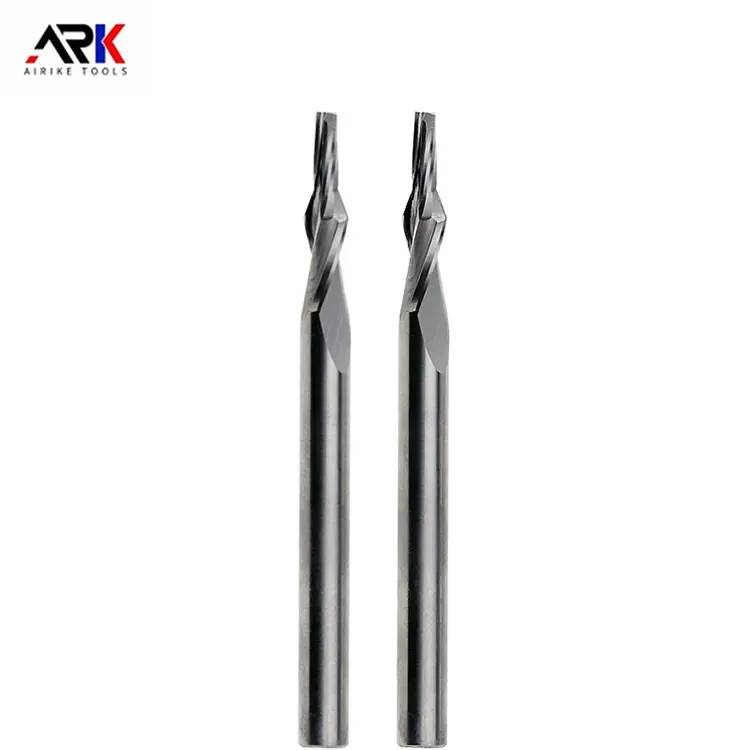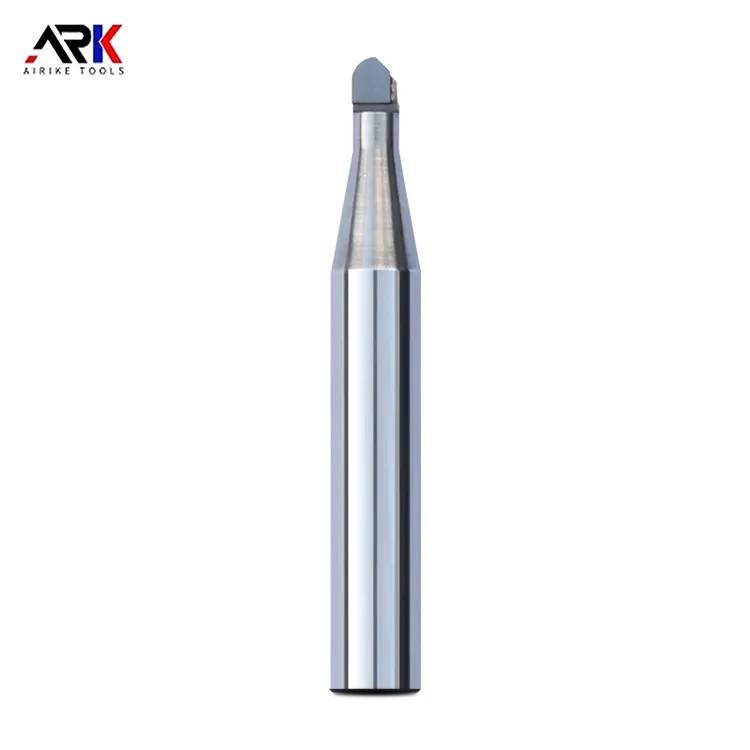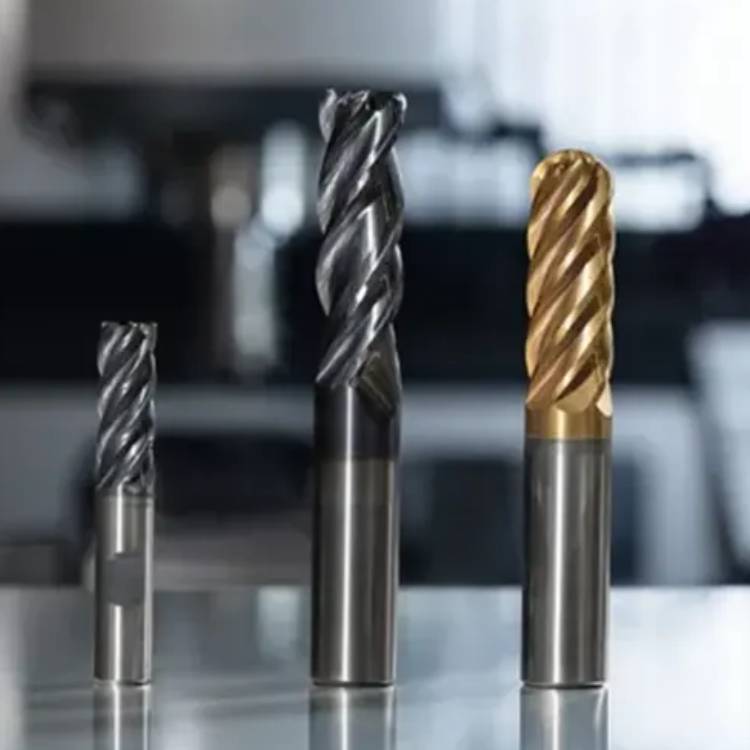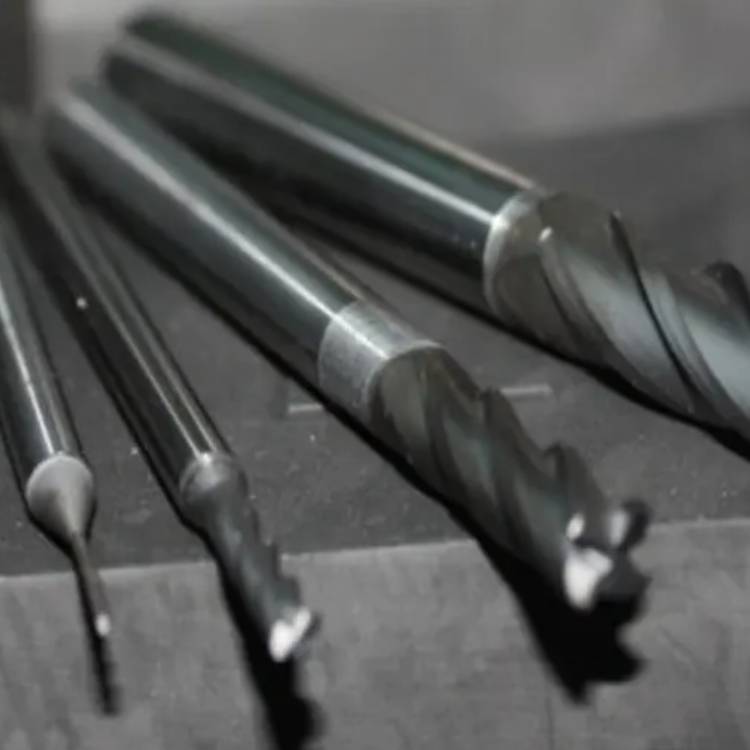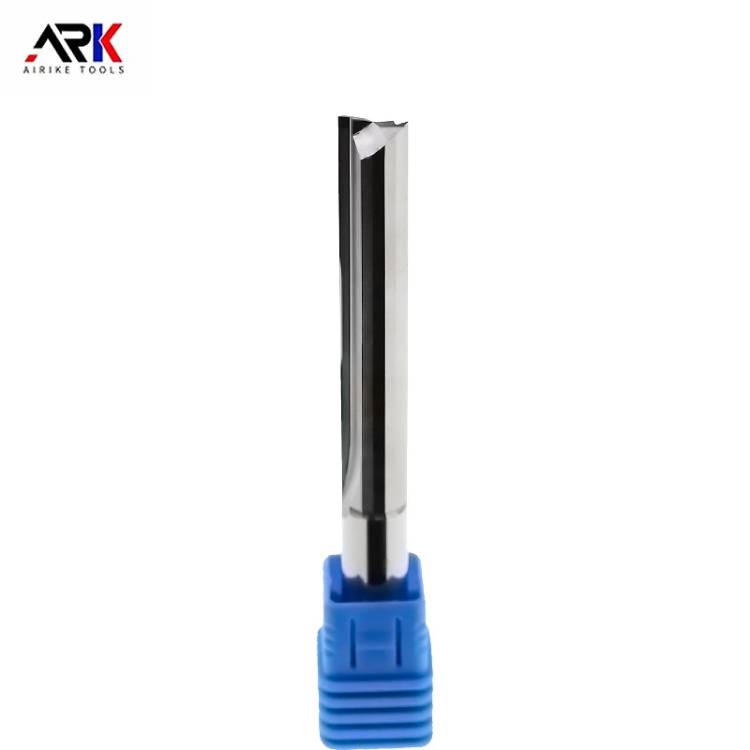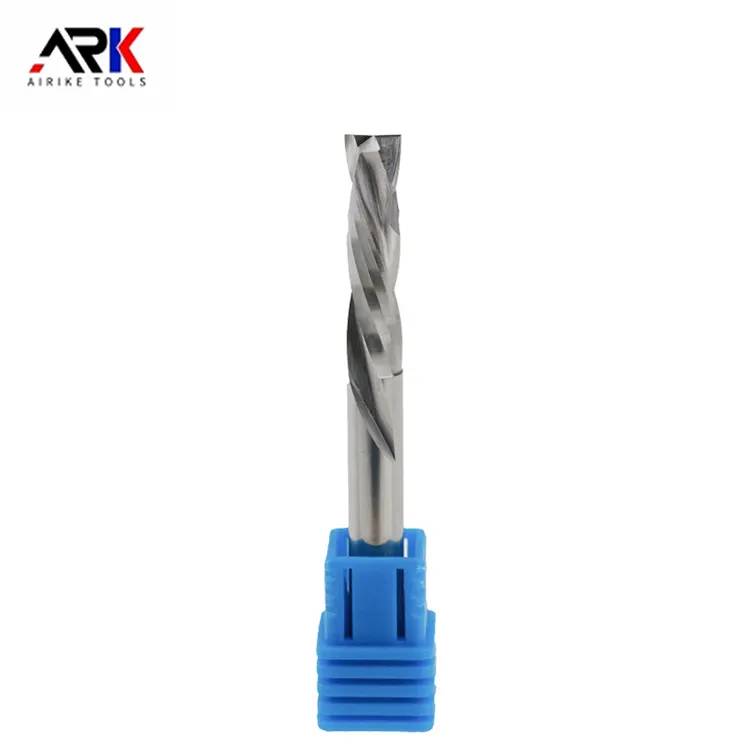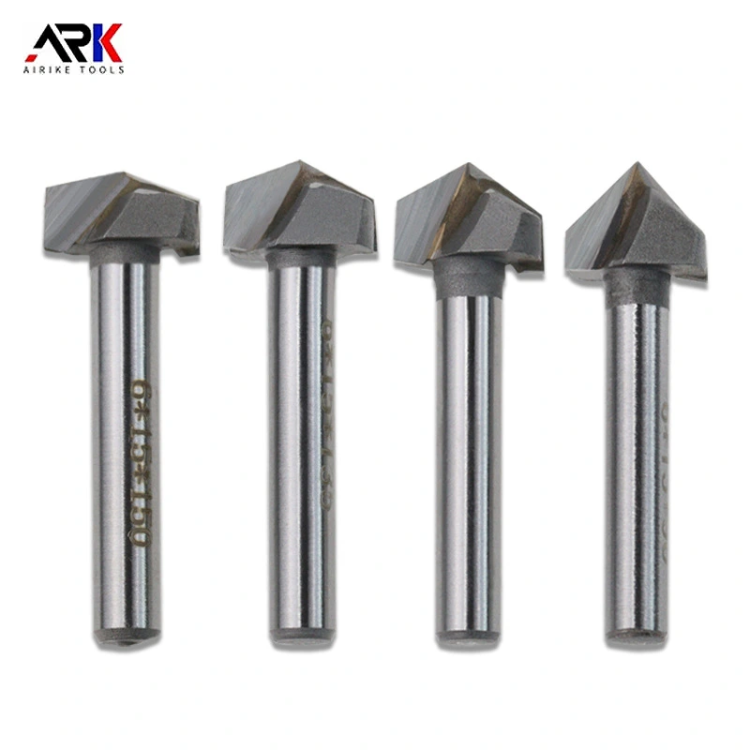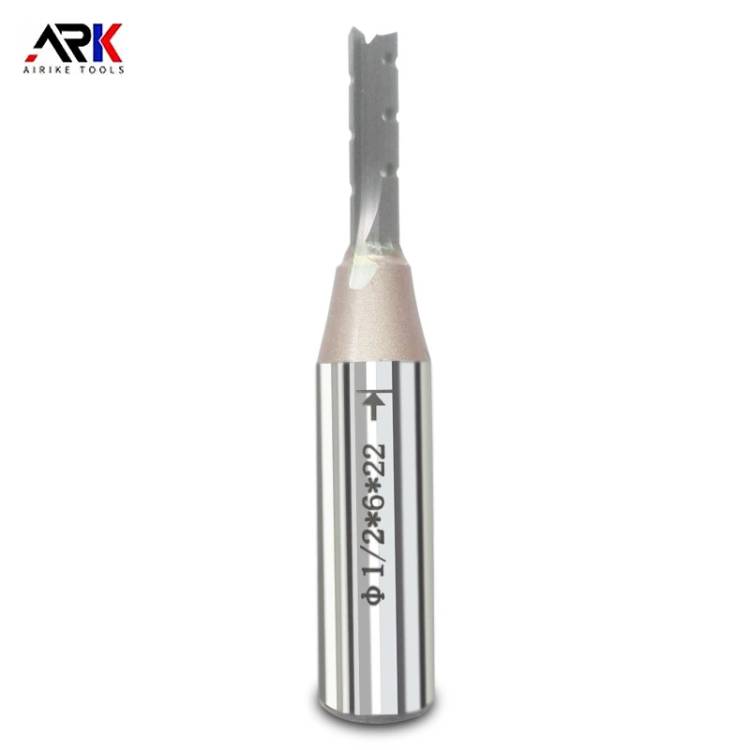

How to Select the Rotational Speed for Welded Milling Cutters? The Factory Explains
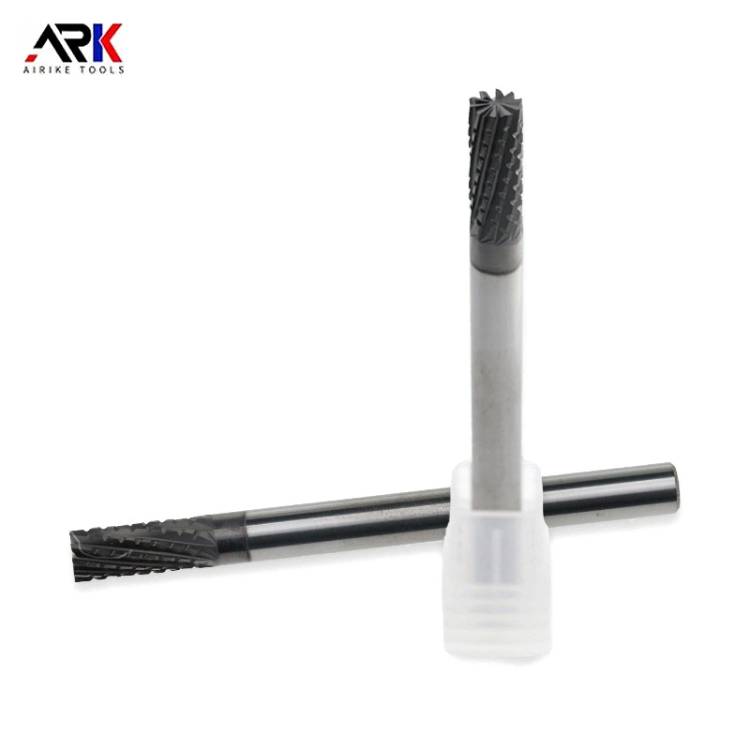
In welded bevel milling operations, spindle speed directly impacts machining efficiency, surface quality, and tool life. Excessively low rotational speeds for welded milling cutters can lead to low efficiency and built-up edge formation, while excessively high speeds accelerate tool wear, induce vibration, and compromise bevel accuracy.
Below, Zhongye Da explains how to select the appropriate speed for Welded Milling Cutters from both theoretical principles and on-site debugging perspectives.
I. Theoretical Basis and Adjustment Factors for Speed Setting
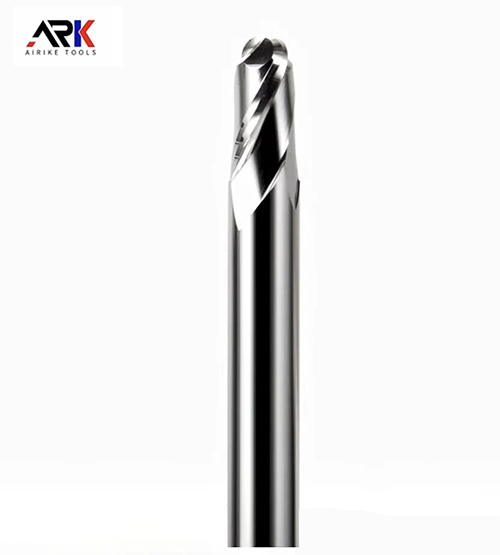
The core basis for setting the speed of Welded Milling Cutters is cutting speed. Each tool and workpiece material has a recommended range of economical cutting speeds. Rotational speed, cutting speed, and tool diameter are clearly correlated. A preliminary base speed can be calculated using formulas, with larger milling cutters typically requiring lower rotational speeds.
In actual machining, adjustments must account for processing type, machine tool and tool rigidity, and cooling conditions:
- Rough machining may benefit from reduced speeds for efficiency gains.
- Finishing operations require higher speeds to maintain quality.
- When rigidity is poor or cooling is insufficient, reduce rotational speed to minimize wear.
II. On-Site Debugging and Optimization Methods
Theoretical calculations serve only as a baseline; optimal speeds must be determined through on-site debugging. Follow the “low-to-high, stepwise approximation” principle: set a debugging range of ±10%-20% around the theoretical speed, starting with low-speed trial cuts using Welded Milling Cutters.
Assess suitability by observing cutting sounds, chip morphology, and surface quality. Reduce speed if vibration or high-pitched noise occurs; increase speed if built-up edge forms or cutting becomes dull. Gradually identify the optimal speed that ensures stable cutting, meets quality standards, and maximizes tool life.
In summary, selecting the rotational speed for welded milling cutters requires integrating theoretical calculations with actual on-site conditions, balancing efficiency and quality. By mastering the core influencing factors and optimizing through scientific debugging, the full potential of the milling cutter can be realized, achieving stable and efficient welded groove machining.
Related News
- Technical Analysis | What Determines the Surface Finish of Diamond Milling Cutters? Suitable for Tile Processing
- Material Comparison | How to Choose the Right Material for Carbon Fiber Tube Drill Bits?
- Carbon Fiber Drill Bits| A Practical Guide | Why Can’t You Just Use Any Old Drill Bit for Model Aircraft and Drones?
- Why Have PCD Tools Become an Essential Choice in Automotive Manufacturing?
Leave me a message