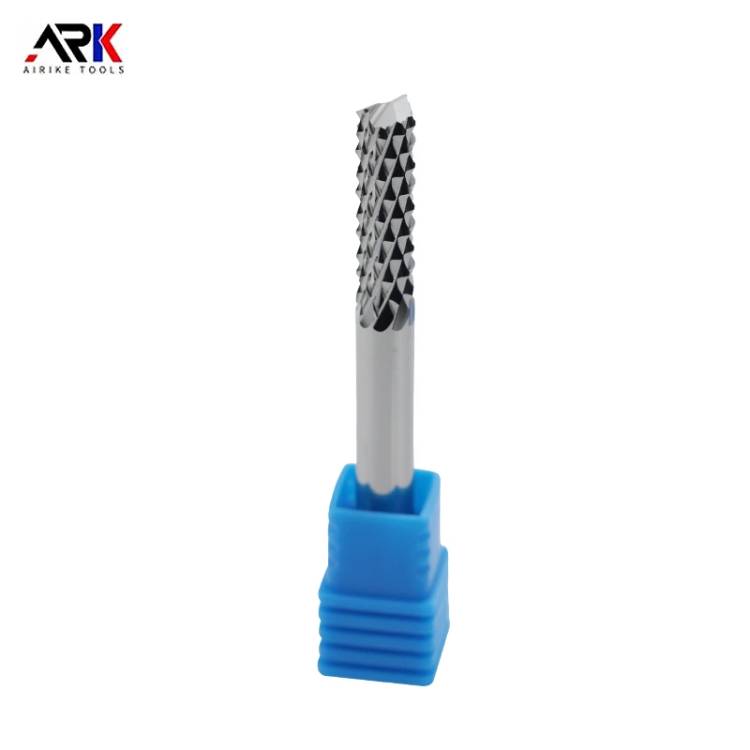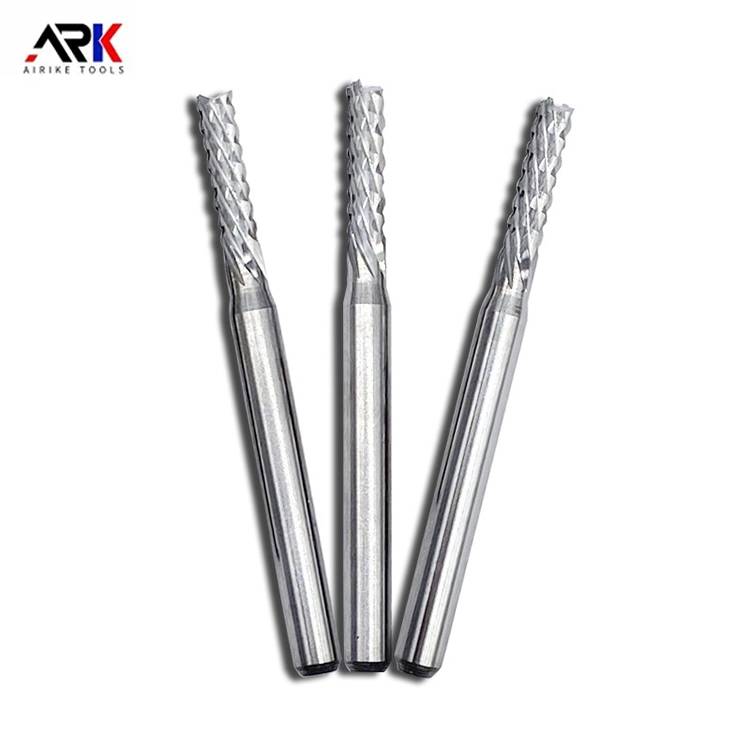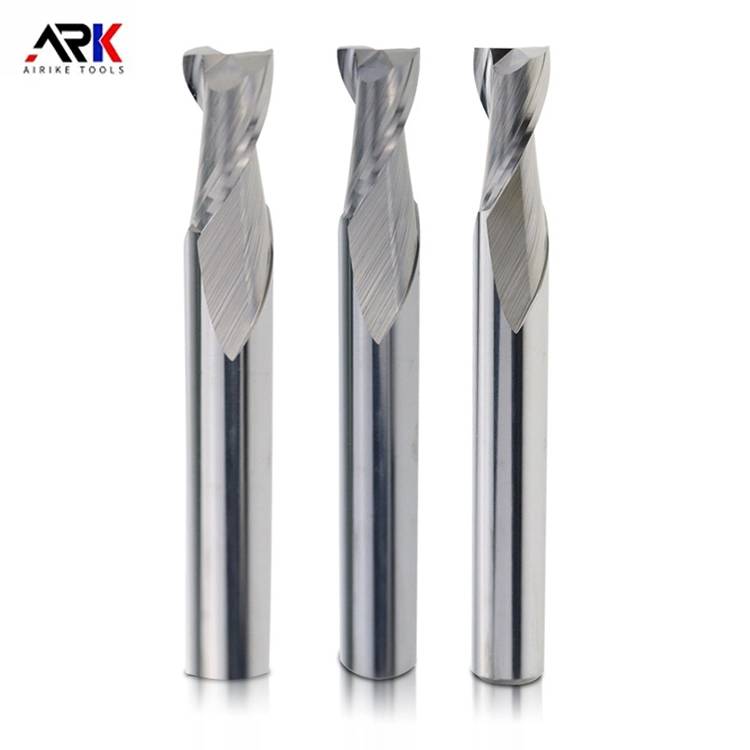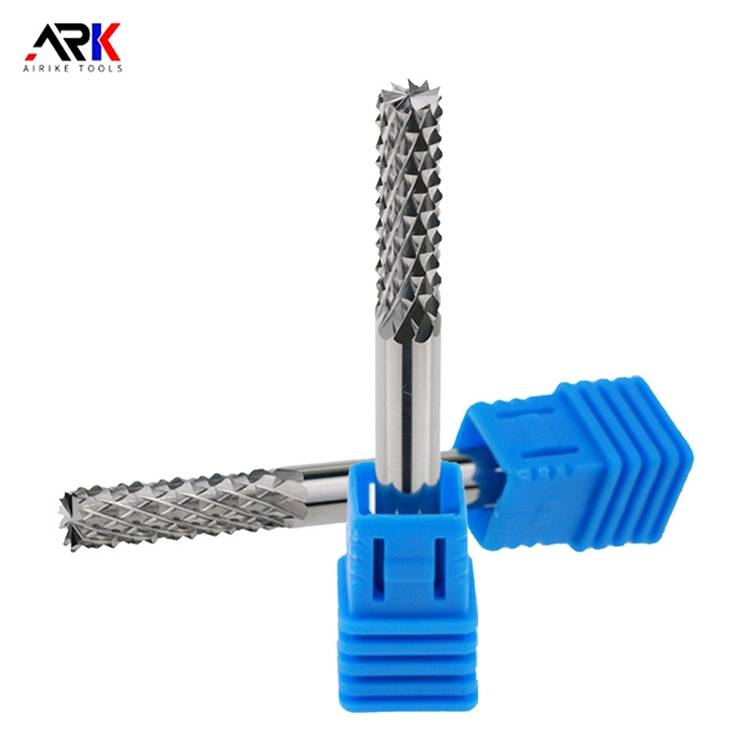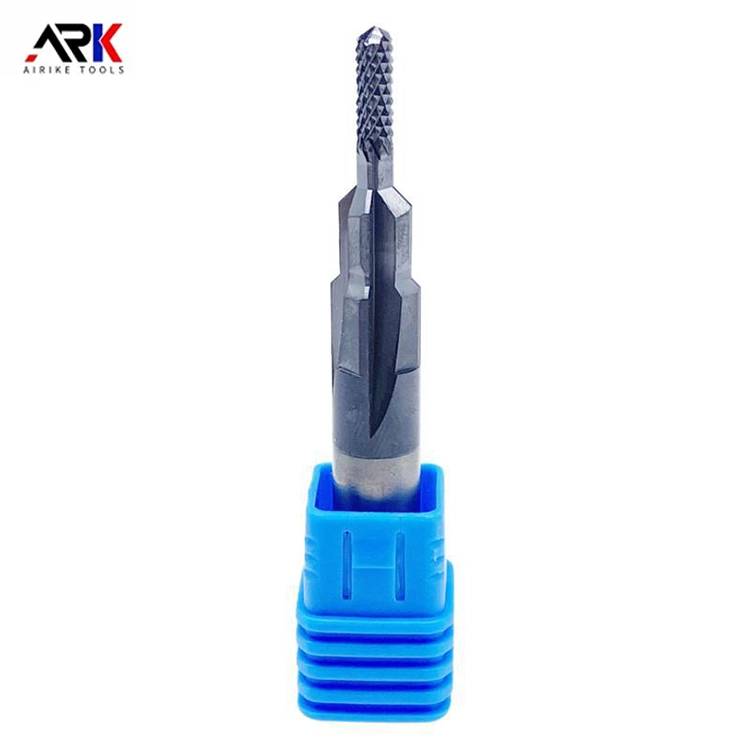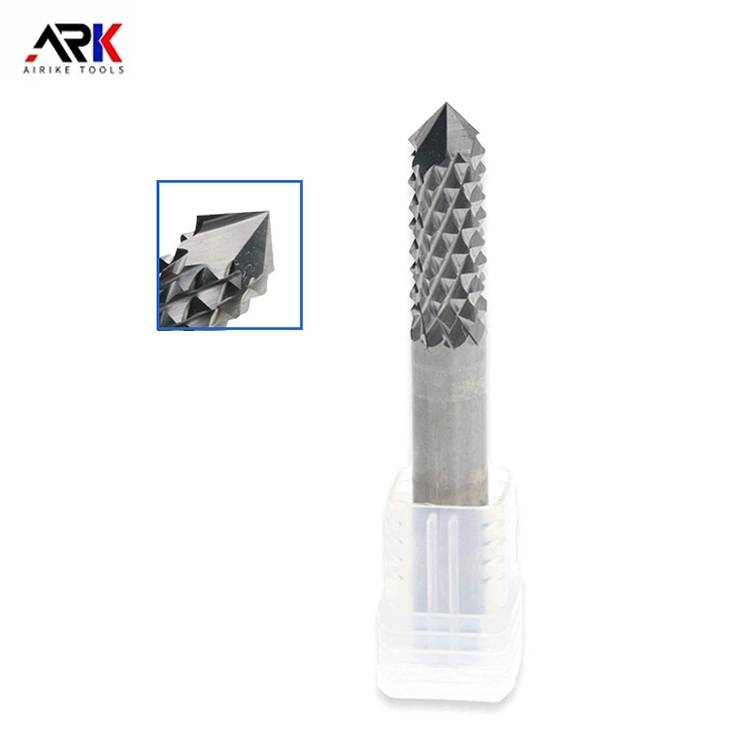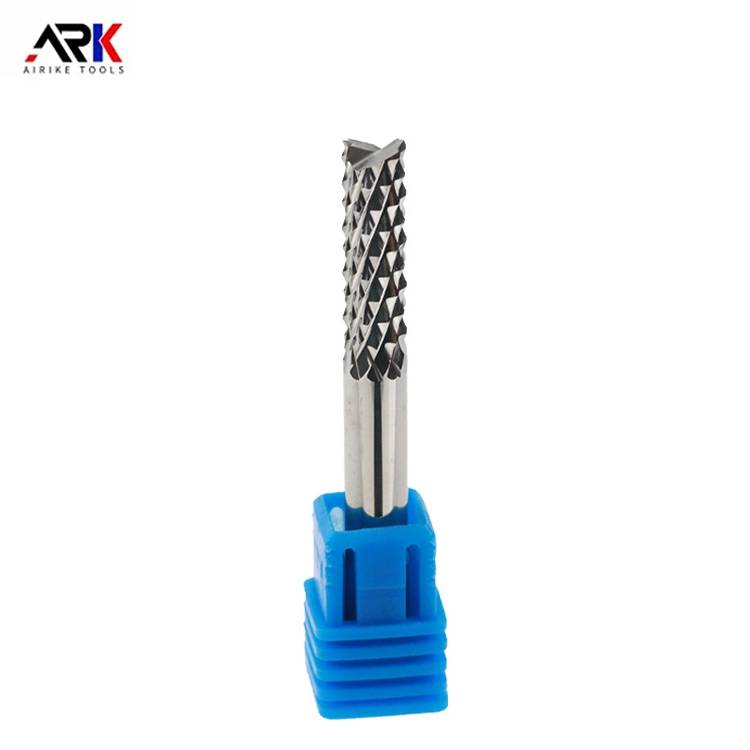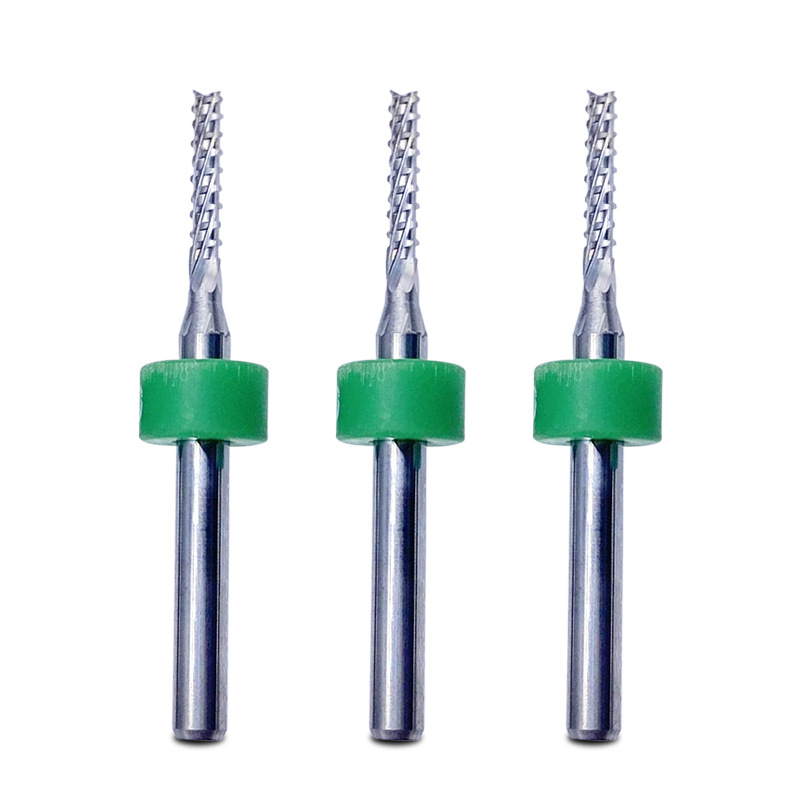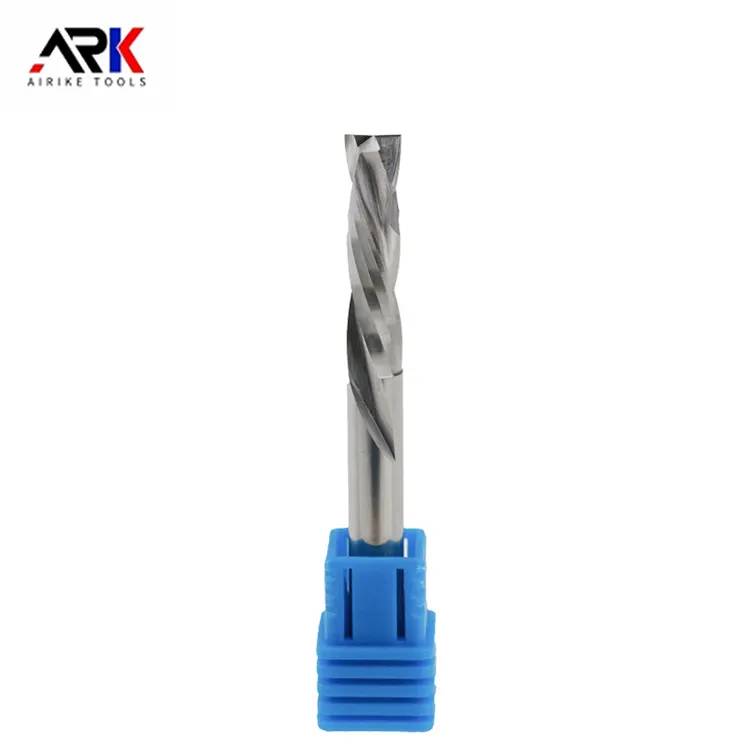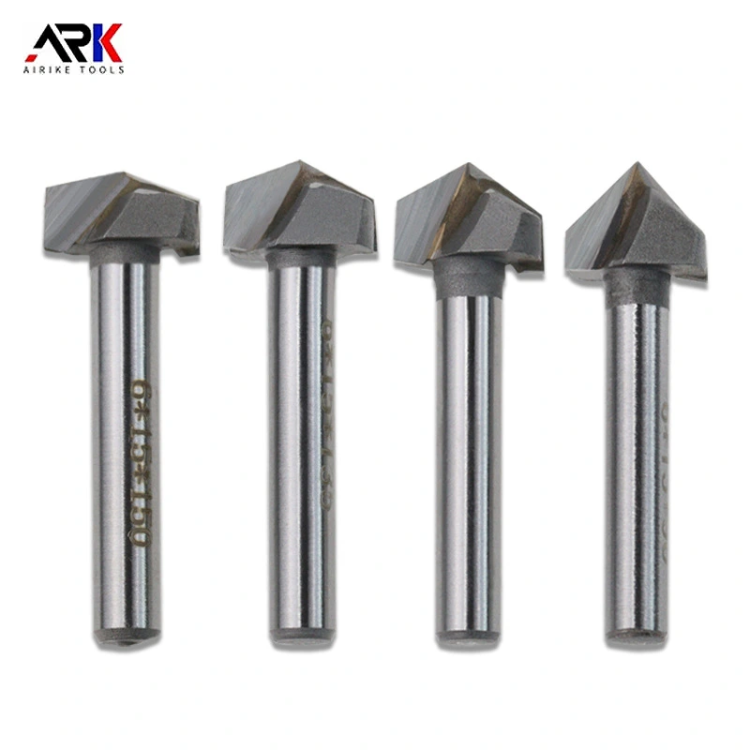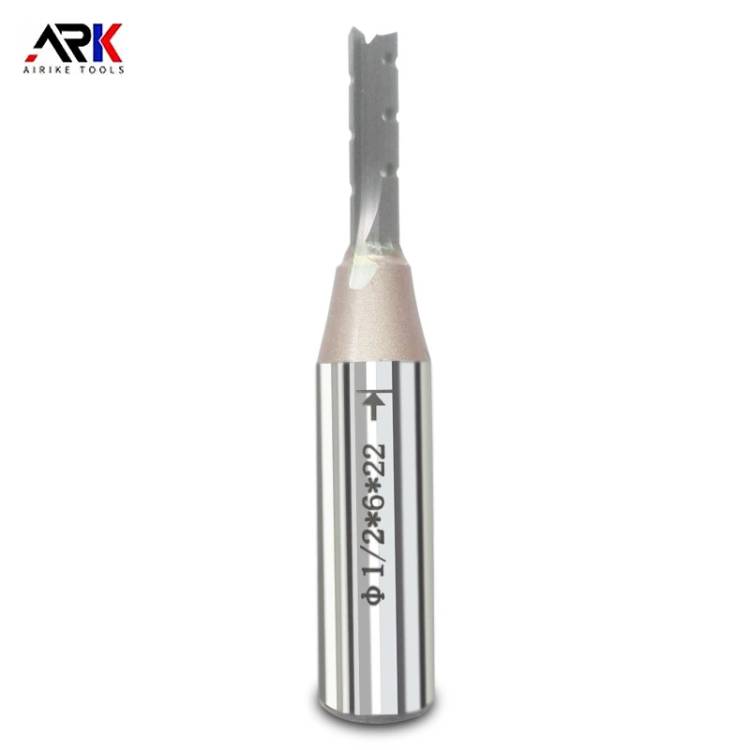

Carbon Fiber Milling Cutters Wear Out Easily? Zhongye Da Shares Tips to Boost Durability
Carbon fiber composites, prized for their lightweight yet high-strength properties, are increasingly used in aerospace, high-end automotive, and other industries. However, the material's high hardness and strength, coupled with its anisotropic layered structure, cause severe abrasive wear on carbon fiber milling cutters. This shortens tool life, impacting machining efficiency and cost control.
So, how can we enhance the wear resistance of carbon fiber milling cutters? This has become the key to efficient machining. Drawing on our factory's industry expertise, Zhongyeda has compiled three key aspects for you.
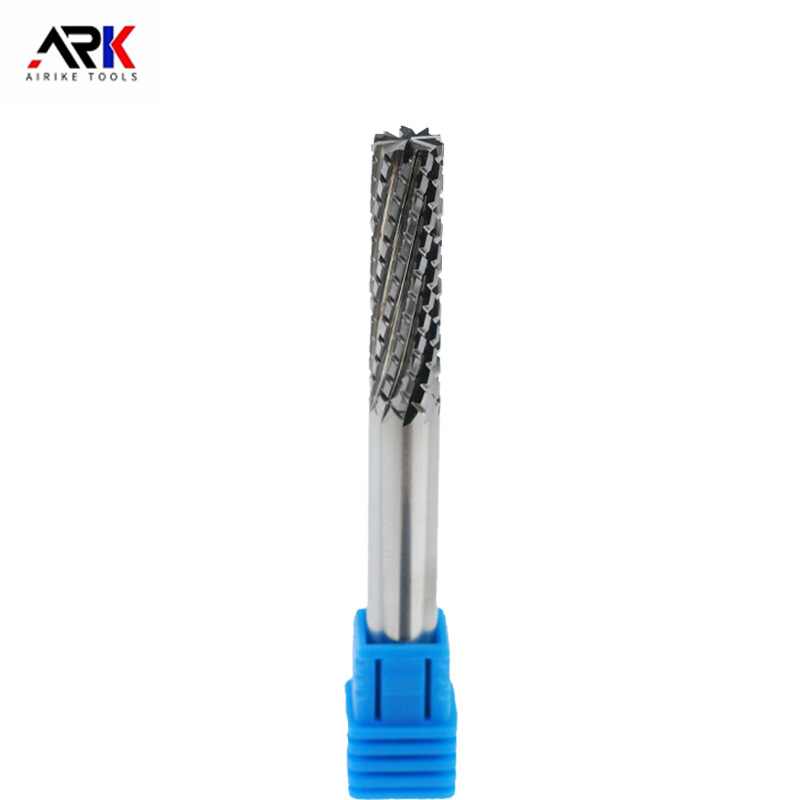
I. Optimize Tool Substrate and Coating
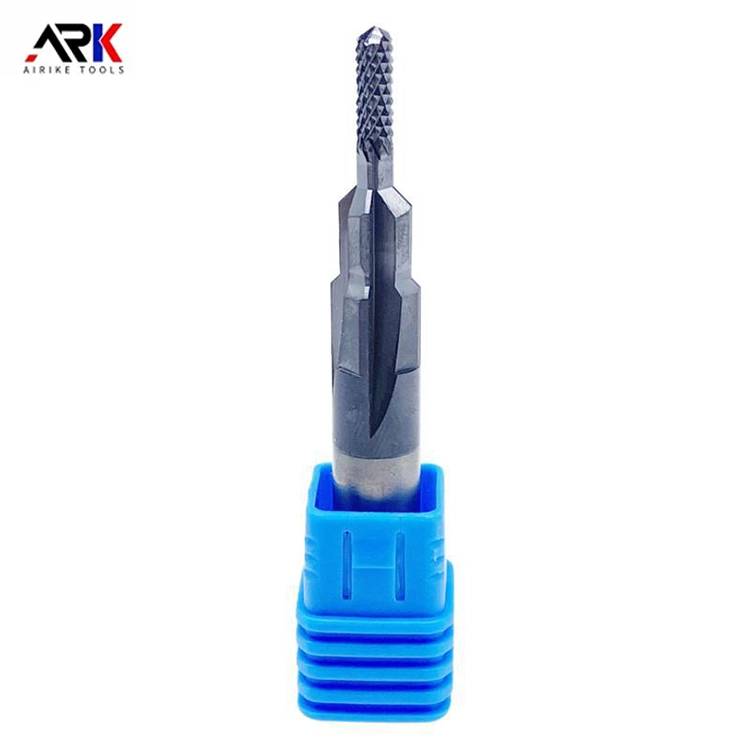
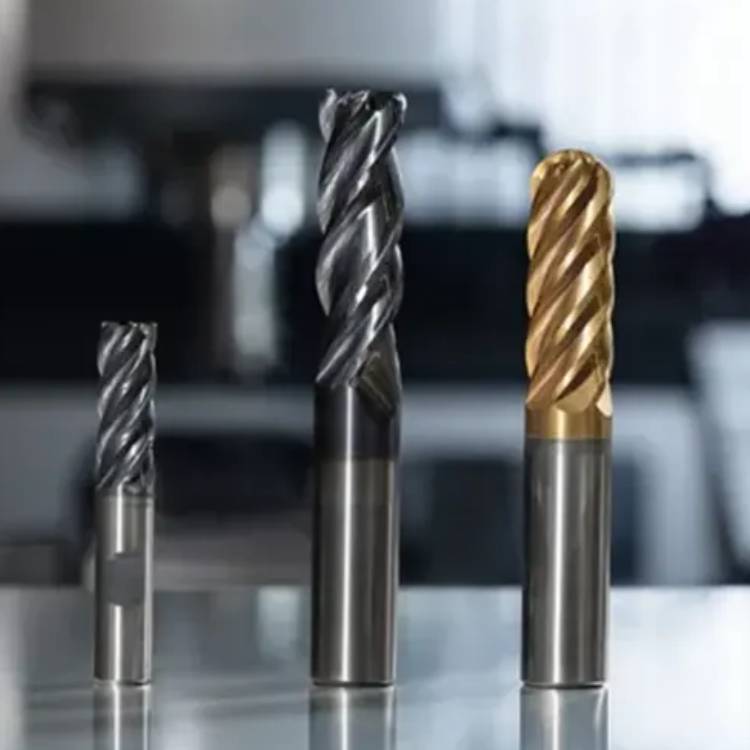
The substrate material forms the foundation of wear resistance for carbon fiber milling cutters. Fine-grain or ultra-fine-grain cemented carbide, with its high hardness and excellent bending strength, has become the mainstream choice. It effectively resists friction while preventing edge chipping. In some high-end applications, super-hard materials are selected for the cutting edge to further enhance wear resistance.
High-performance coatings are the core method for enhancing wear resistance. Diamond coatings reduce friction coefficients through their ultra-high hardness, effectively resisting carbon fiber abrasion. Diamond-like or nano-composite coatings also demonstrate excellent application results by optimizing the balance between hardness and toughness. Concurrently, attention must be paid to the bonding strength between the coating and substrate to prevent coating spalling during high-speed cutting.
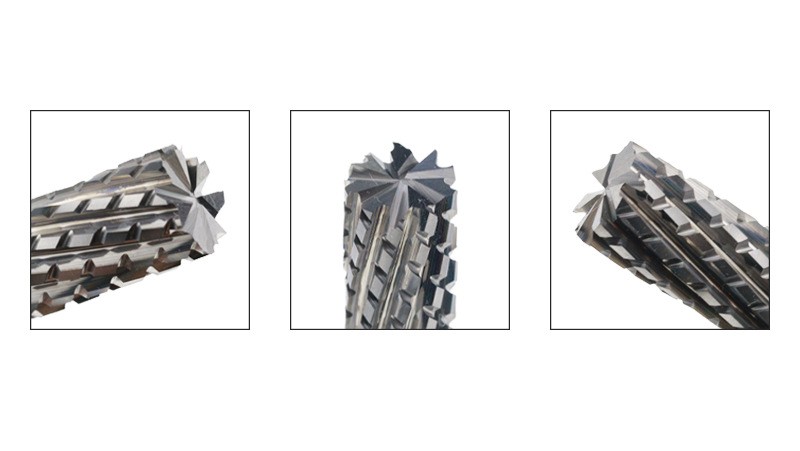
II. Innovating Tool Geometric Design
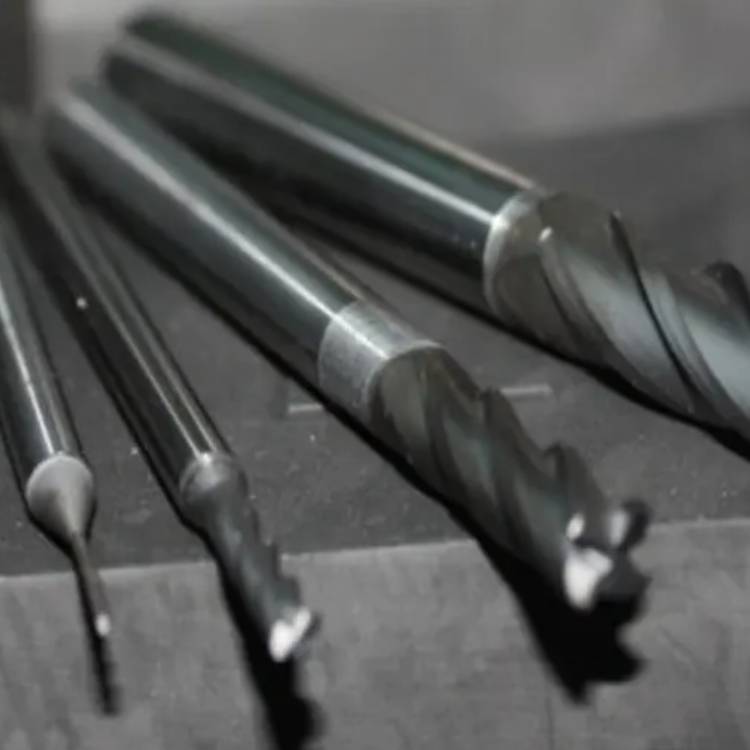
A sharp yet robust cutting edge design is critical. Milling cutter edges must be sufficiently sharp to shear fibers cleanly, minimizing delamination and burrs. Edge treatment technologies can balance sharpness and strength, preventing premature wear or chipping.
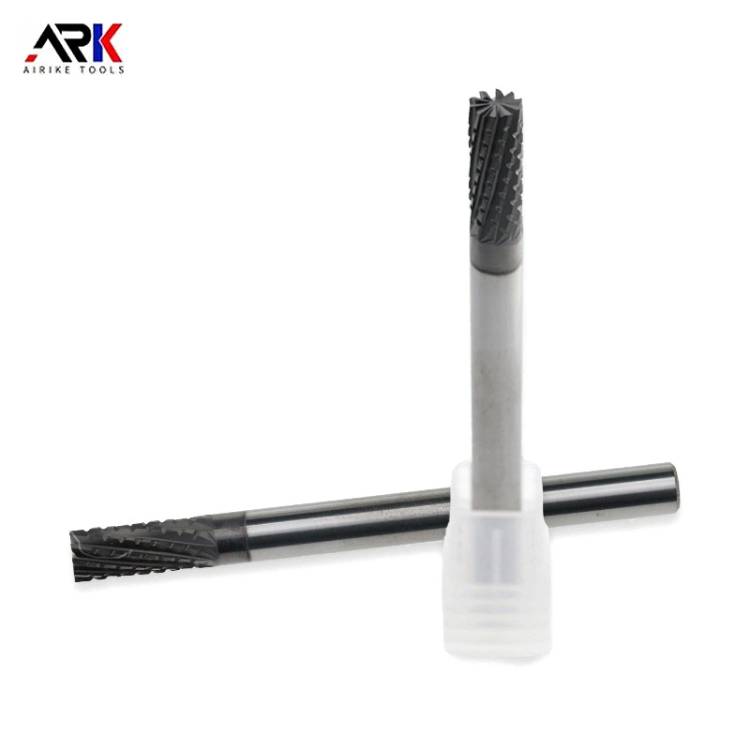
Specialized flute and chip evacuation designs are indispensable. Large helix angles and deep chip pockets accelerate the removal of powdered chips, preventing secondary wear. Unique cutting edge geometries optimize cutting force direction and guide chip flow, enabling more efficient machining.
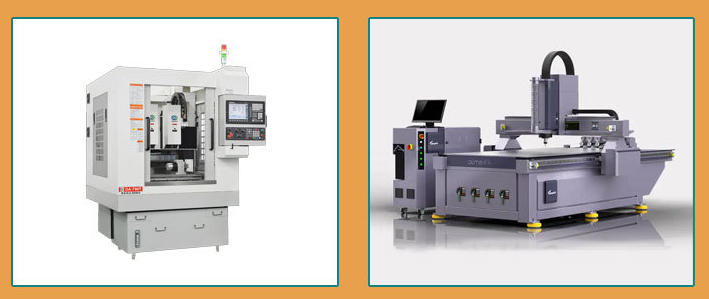
III. Collaborative Optimization of Machining Strategies and Parameters
When machining carbon fiber, adopt a high-speed, shallow-depth-of-cut strategy. Pairing high spindle speeds with minimal radial and axial depths of cut rapidly dissipates cutting heat, reduces tool thermal buildup, and lowers per-edge cutting loads to mitigate edge wear.
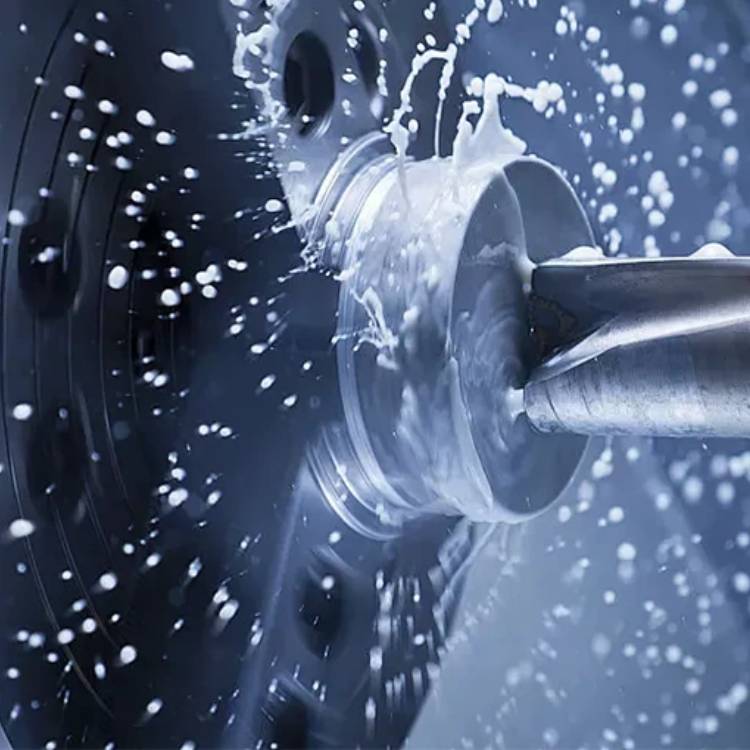
Additionally, employ high-flow compressed air or oil mist cooling to clear chips and promptly blow away carbon fiber powder; Maintaining machine rigidity and using well-balanced tool holders to minimize machining vibrations and prevent edge chipping further extends cutter lifespan.
In summary, enhancing the wear resistance of carbon fiber milling cutters requires synergistic efforts in material selection, design, and process optimization. Through multidimensional improvements, both tool life extension and efficient machining of carbon fiber composites can be effectively achieved.
Previous :
Related News
- Technical Analysis | What Determines the Surface Finish of Diamond Milling Cutters? Suitable for Tile Processing
- Material Comparison | How to Choose the Right Material for Carbon Fiber Tube Drill Bits?
- Carbon Fiber Drill Bits| A Practical Guide | Why Can’t You Just Use Any Old Drill Bit for Model Aircraft and Drones?
- Why Have PCD Tools Become an Essential Choice in Automotive Manufacturing?
Leave me a message