

Industry News
 27 2025-09
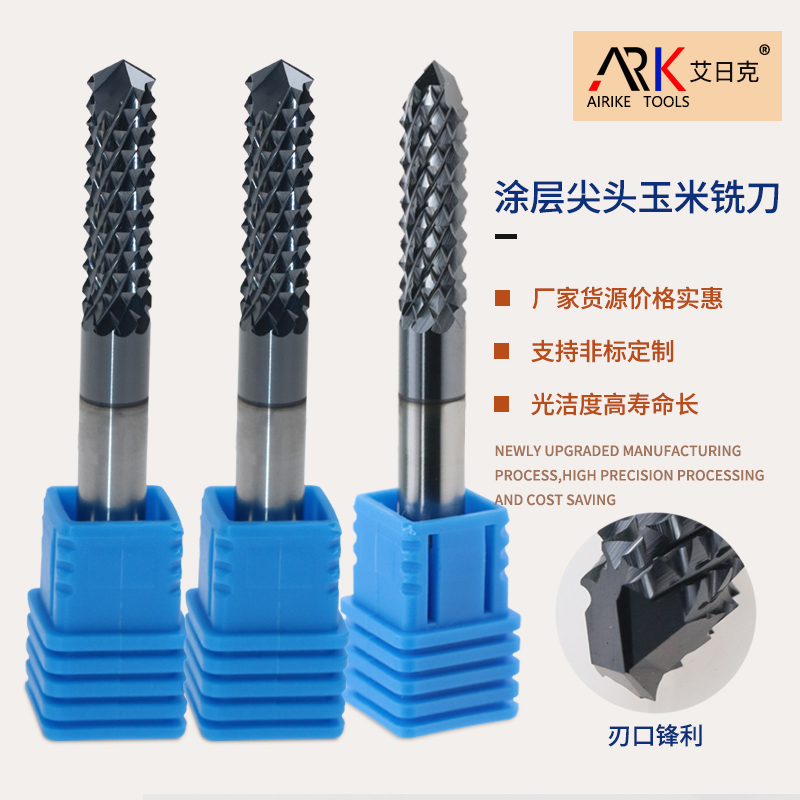
 Ways to extend the life of milling cutters for insulating materials
To extend the service life of insulation material milling cutter, not only can significantly reduce production costs, but also improve the processing efficiency and product quality. So do you know what methods to extend the life of insulation material milling cutter? The following follow the Zhongye Da editorial to take a look at it!
 26 2025-09
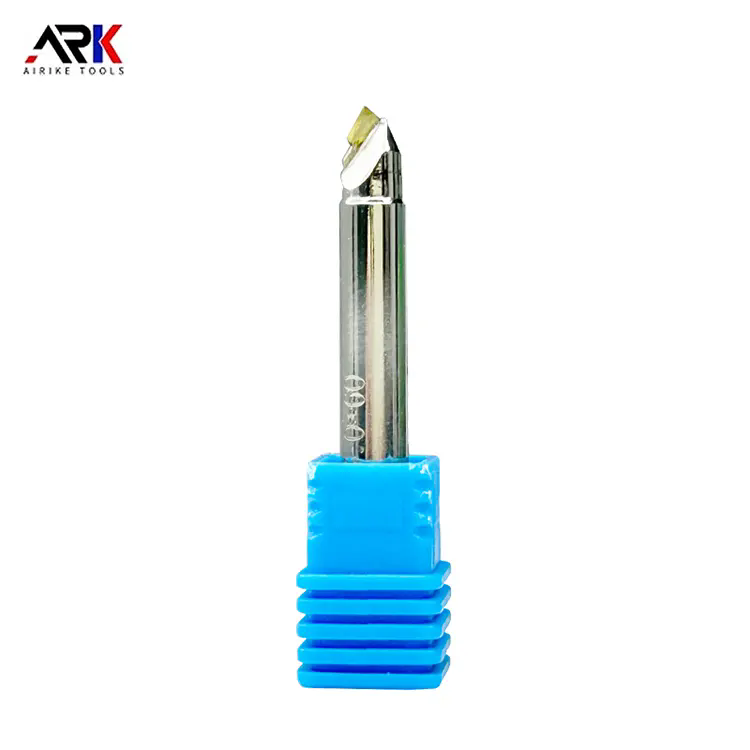
 What Makes Diamond Milling Cutters the Smart Choice for Precision Machining?
In the competitive world of precision engineering and advanced machining, tool selection directly determines production efficiency, surface finish quality, and tool life. Among the most sought-after tools today are Diamond Milling Cutters, known for their extreme hardness, wear resistance, and ability to handle challenging materials such as composites, aluminum alloys, and non-ferrous metals.
 12 2025-09
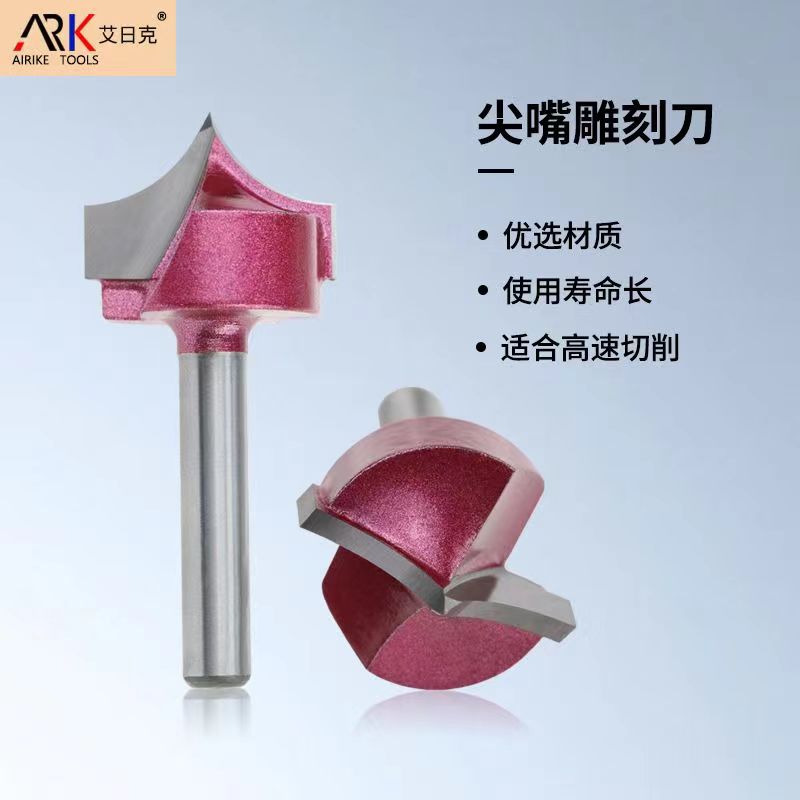
 What is the difference between welded milling cutter and ordinary milling cutter?
Do you know what is the difference between welded milling cutter and ordinary milling cutter? The following follow zhongye da editorial to take a look!
 12 2025-09
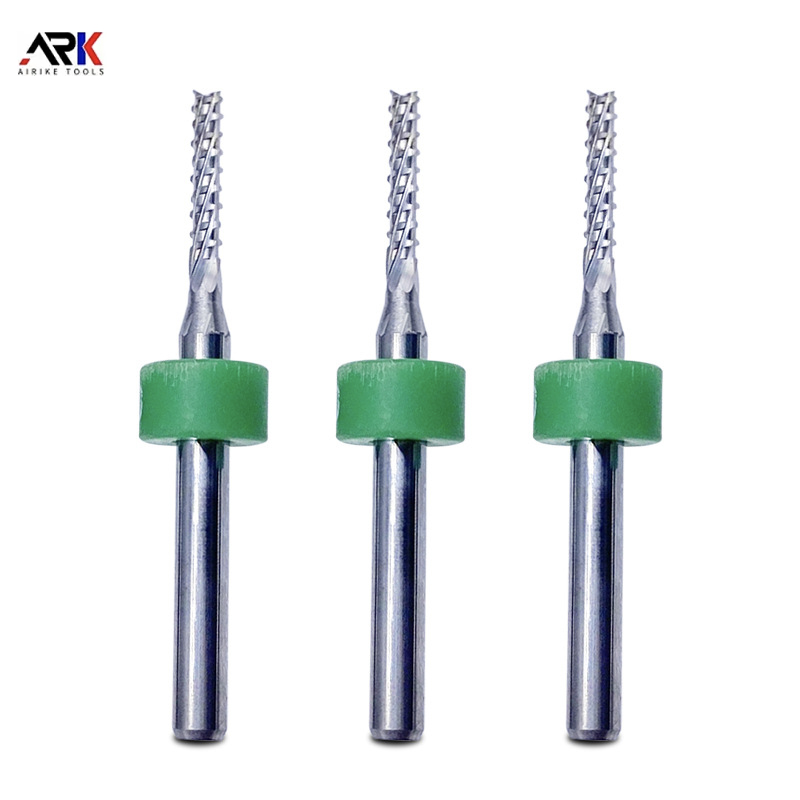
 Why Choose an Insulation Milling Cutter for Precision Industrial Applications?
In modern industries such as electrical engineering, construction, and composite manufacturing, efficiency and precision are two non-negotiable requirements. One of the most overlooked yet critical tools for achieving these outcomes is the Insulation Milling Cutter. Designed specifically for cutting and shaping insulating materials such as phenolic boards, epoxy glass cloth, hard plastics, and other high-density composites, this tool is the backbone of various electrical and structural applications.
 05 2025-09
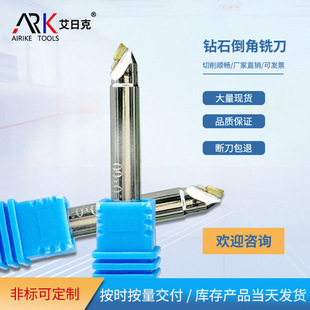
 Which is better to use, a chamfering knife or a saw?
In the field of machining and woodworking, the choice of tools has a direct impact on work efficiency and finished product quality. As two common cutting tools, chamfering knives and saws have their own unique application scenarios and advantages. So which one is better to use, the chamfering knife or the saw?
 22 2025-08
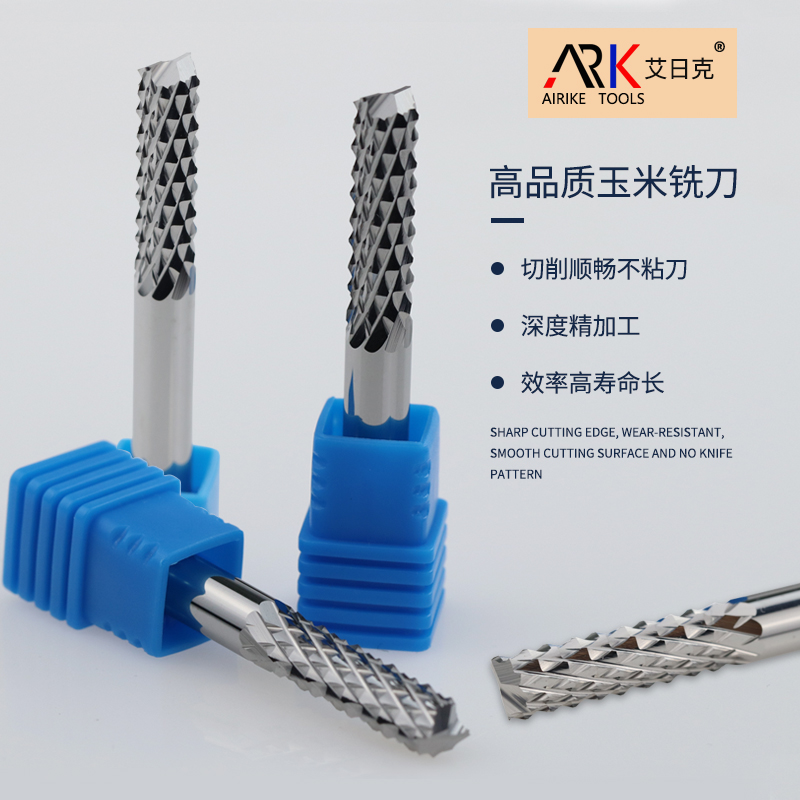
 How durable are insulating material milling cutter?
In modern manufacturing, insulating materials are increasingly used, such as epoxy resins, polyimides, polyether ether ketones, and phenolic resin laminates. These materials have become the first choice for critical components due to their excellent insulating properties, high temperature resistance and mechanical strength. However, their characteristics such as high hardness, high fiber content and low thermal conductivity also pose a serious challenge to cutting tools for machining. Therefore, the durability of insulating material milling cutter is directly related to the machining efficiency, cost control and final product quality, and has become the core index to measure its performance.