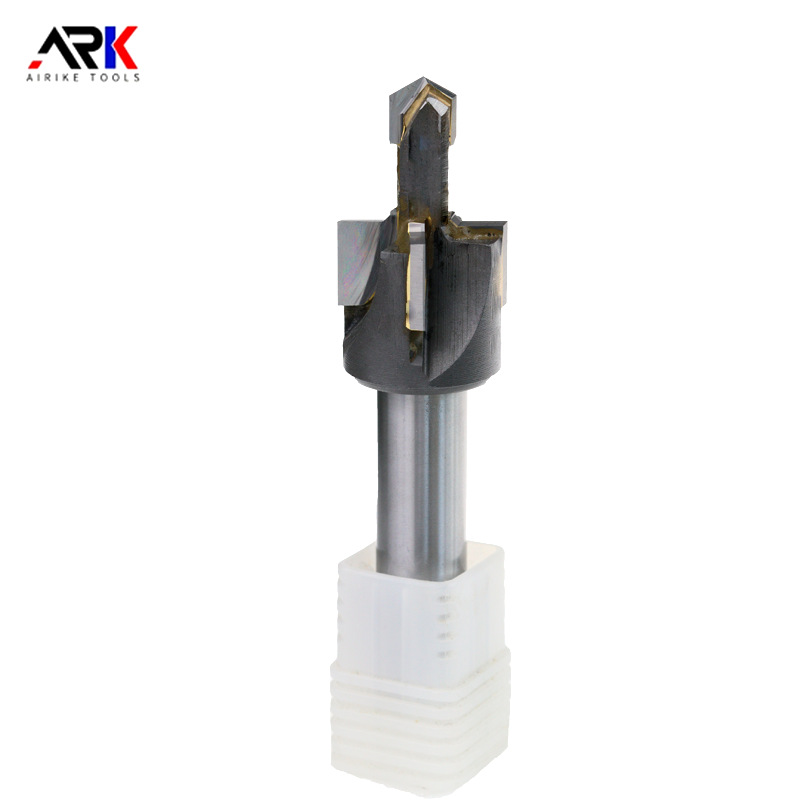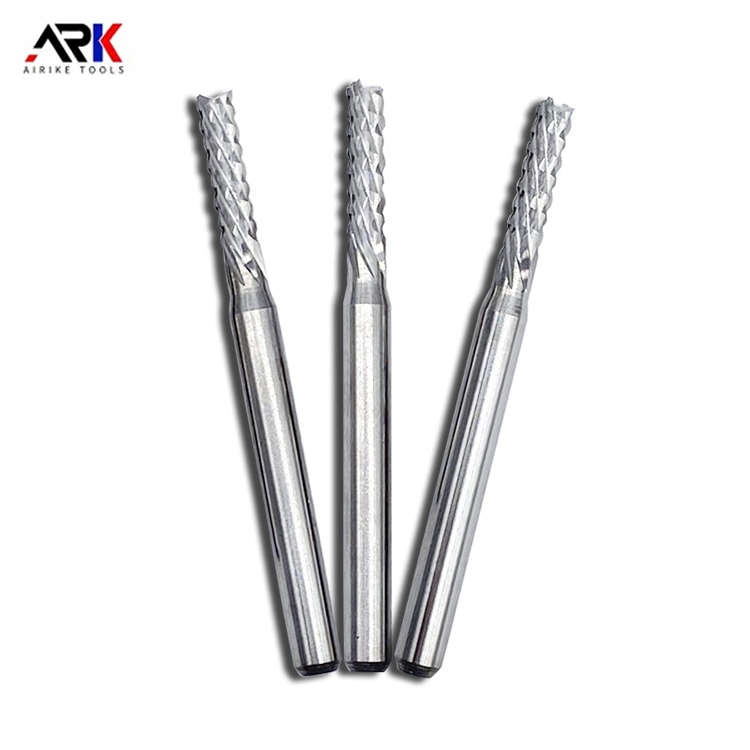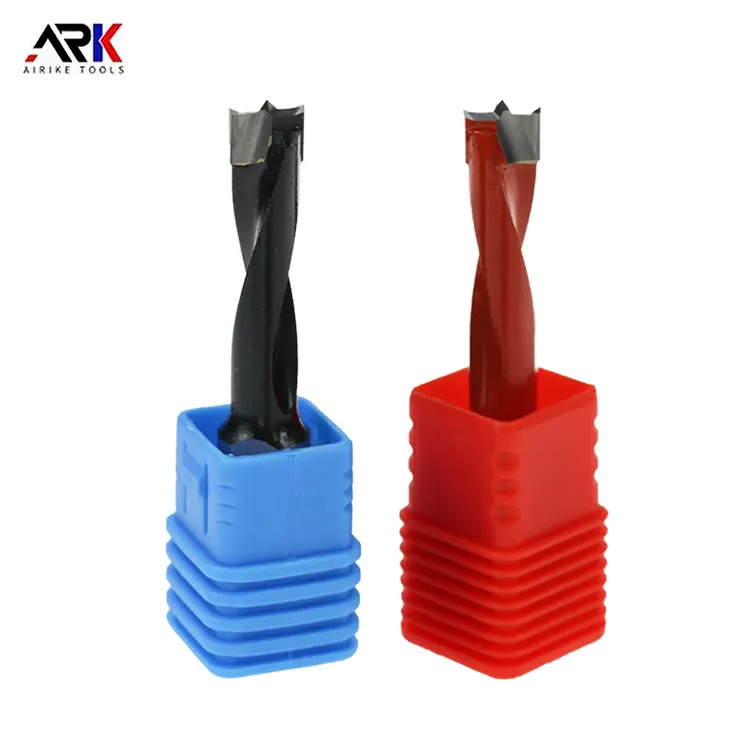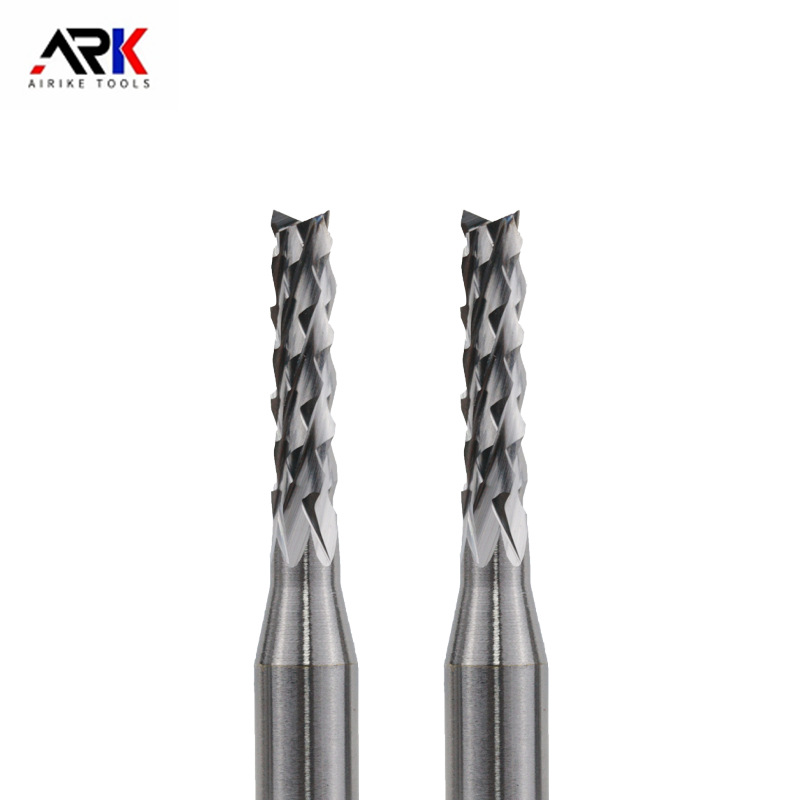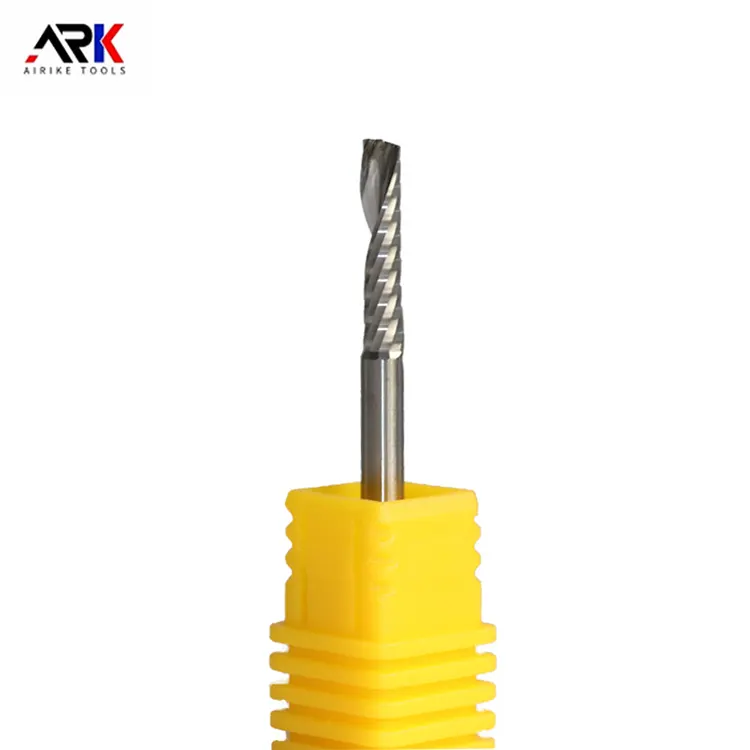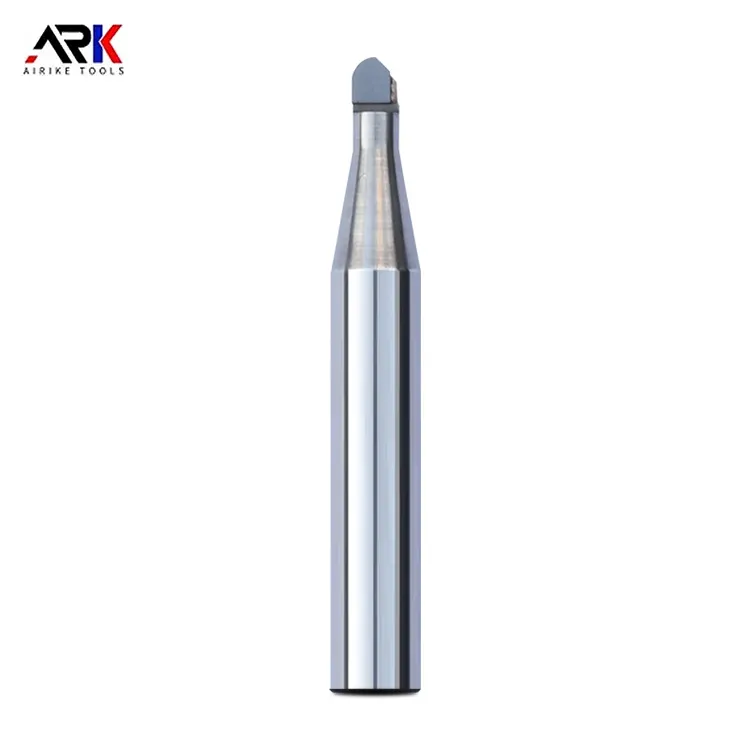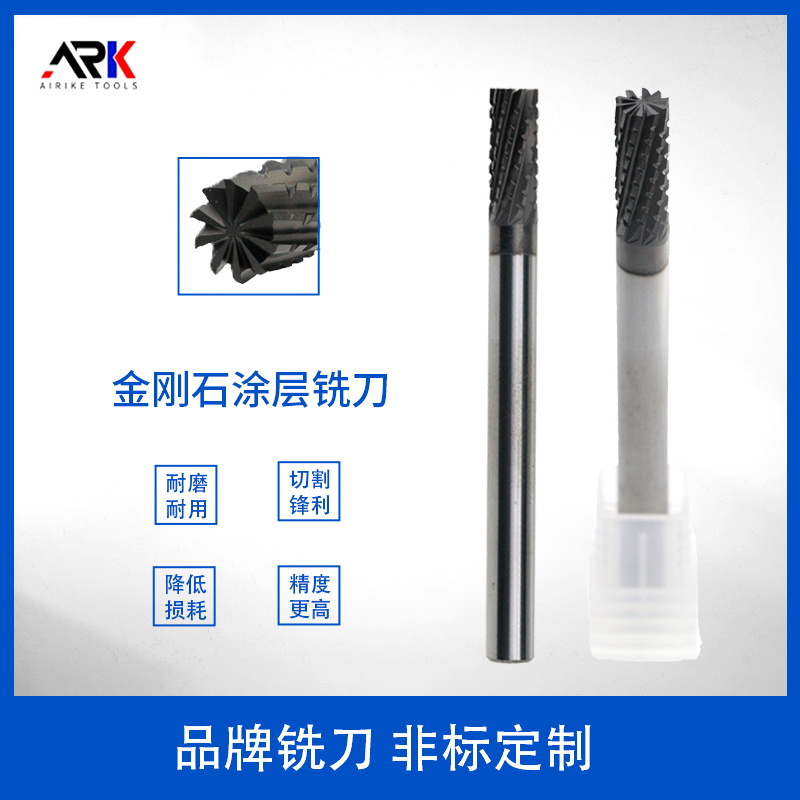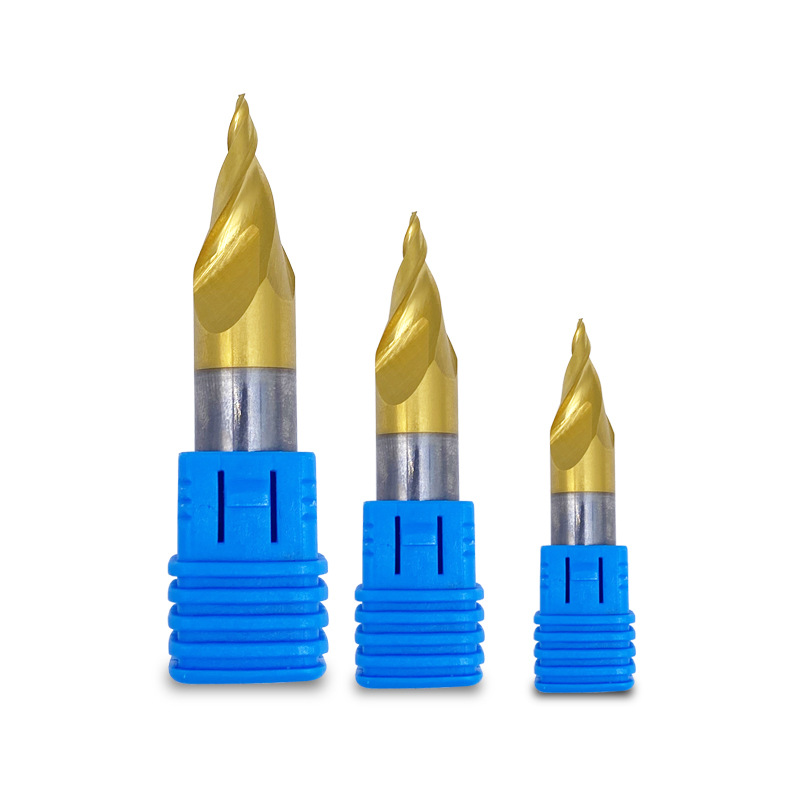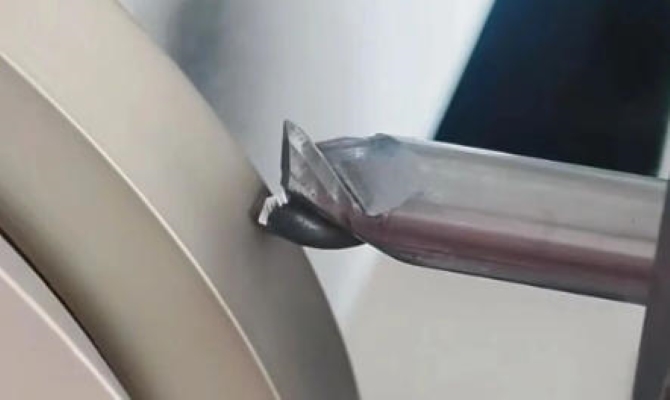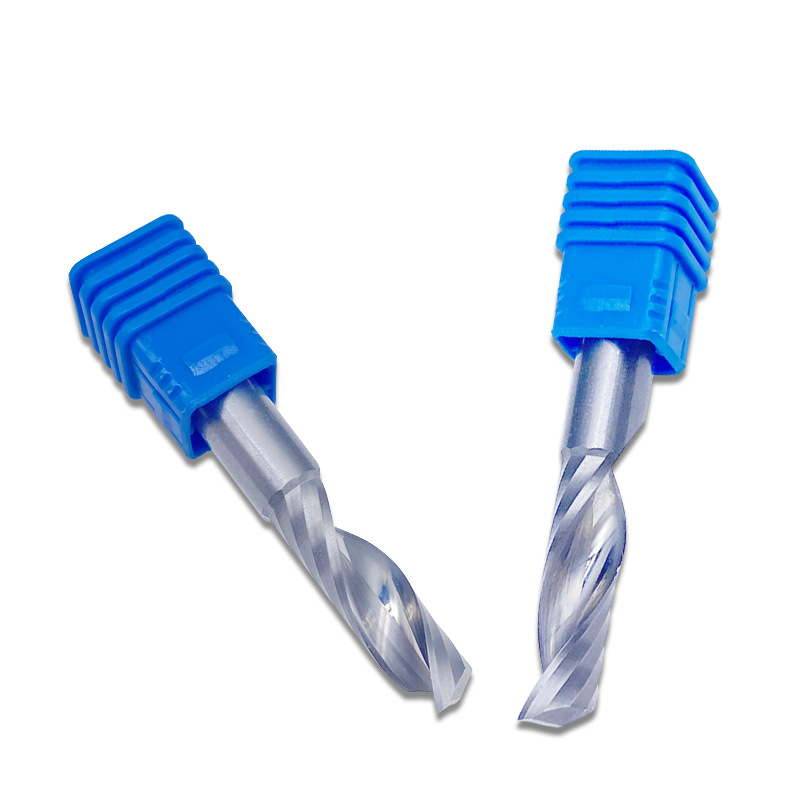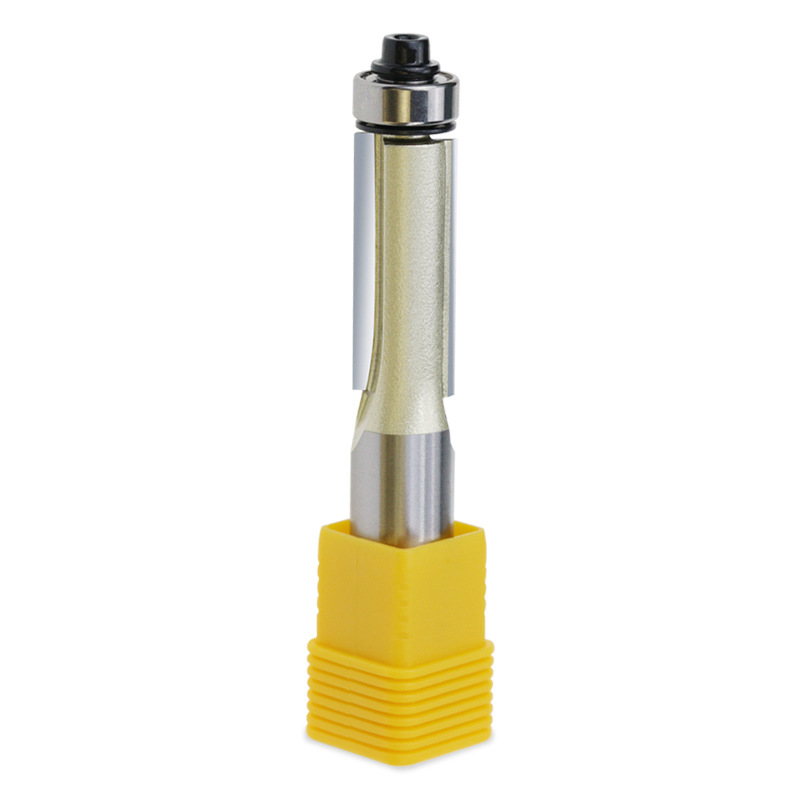

What Makes High-Precision Woodworking Milling Cutters Superior?
Many people wonder: How do high-precision woodworking milling cutters compare to standard milling cutters? In applications such as furniture making, wood carving, and whole-home customization, the cutting tools directly determine the quality of the finished product and production efficiency. Let’s explore this with the Zhongyeda Hardware team.
In fact, significant differences can be seen in terms of machining results, operational stability, and long-term costs.
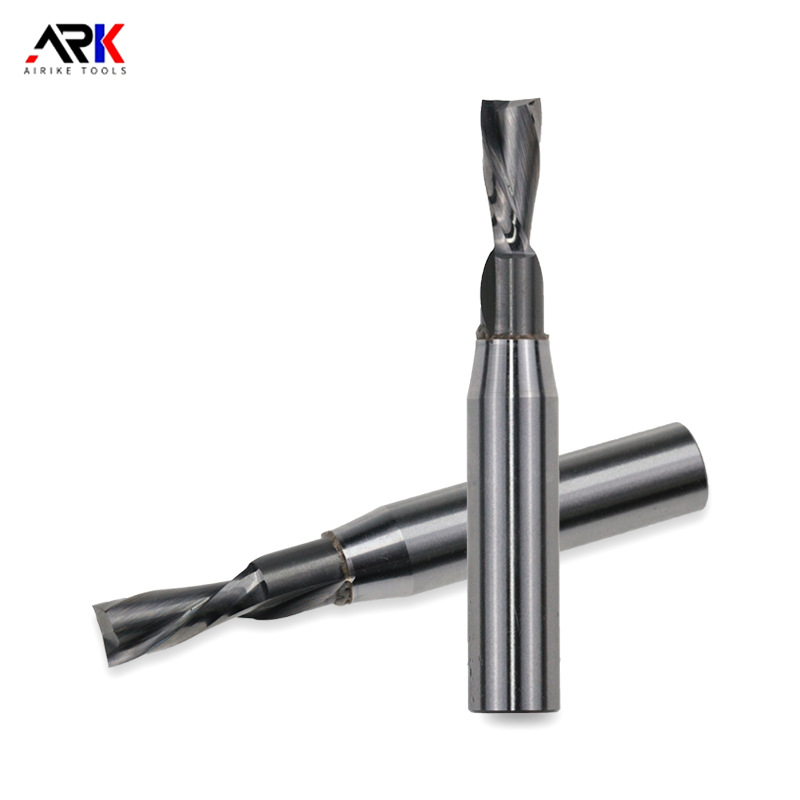
I. Smoother and More Uniform Finished Surfaces
High-precision woodworking milling cutters feature stricter control over cutting edge angles, dimensions, and concentricity. This ensures even force distribution during cutting, preventing burrs, chipped edges, or chatter marks on the cut surface. Whether working with solid wood, plywood, or MDF, the finished surface is smooth and refined, reducing the need for subsequent sanding and enhancing the overall texture.
II. Consistent Dimensions for Smoother Assembly
In mass production, high-precision milling cutters ensure that the dimensions of grooves, tenons, and edges on each workpiece are more consistent. During furniture assembly, this results in smaller gaps and a tighter fit, minimizing issues such as looseness or parts that are too tight to assemble, thereby improving the yield rate of finished products.
III. Stable Operation with Reduced Vibration
High-precision milling cutters undergo dynamic balancing, resulting in minimal wobble when mounted on engraving machines or edge-trimming machines. Woodworking Milling Cutters operate with lower noise levels and place less strain on the machine spindle, improving the working environment while reducing equipment wear and extending the machine’s service life.
IV. Wear-Resistant Blades for Longer Service Life
Most of these milling cutters are made from high-quality alloy materials and feature precision edge finishing, resulting in higher hardness and better wear resistance. Even during prolonged continuous cutting, they are less prone to dulling or chipping, requiring fewer tool changes, reducing downtime, and improving overall processing efficiency.
V. Suitable for Fine Detailing; Clear Reproduction of Complex Patterns
When performing fine machining such as carving, creating irregular grooves, or trimming narrow edges, high-precision milling cutters can faithfully reproduce design details, ensuring smooth lines and sharp corners. Whether working on minimalist furniture or intricate craftsmanship, they deliver consistent results that meet the aesthetic demands of high-end woodworking.
VI. Reduced Material and Labor Costs
Because the Woodworking Milling Cutter produces a smooth, flat cut surface, the amount of sanding required is reduced, leading to lower consumption of consumables such as sandpaper and sanding discs. At the same time, improved yield rates and reduced rework lower labor and time costs, making long-term use more cost-effective.
In summary, high-precision woodworking milling cutters excel in cutting performance, operational stability, durability, and adaptability. They not only enhance the texture and quality of woodworking products but also optimize the manufacturing process and reduce overall costs, making them a practical choice for those seeking consistent output and high-quality woodworking.
Related News
- How to Prevent Surface Scratches When Machining Acrylic with a Milling Cutter?
- In stone carving, which method—climb milling or conventional milling—is more conducive to milling cutter durability?
- Machining 304 Stainless Steel Chamfers: Material and Coating Selection for Chamfering Milling Cutters
- Why is the U-shaped groove milling cutter the core design for high-gloss aluminum processing?
- Do You Know How to Match Micro End Mills for Machining Plastics and Metals?
- Is it time to replace your diamond milling cutter? 4 ways to determine
Leave me a message