
How to Prevent Surface Scratches When Machining Acrylic with a Milling Cutter?
Surface scratches are a common issue during acrylic machining, and they directly affect product appearance, quality, and market acceptance. In everyday machining scenarios, mastering the correct operating methods can effectively prevent scratches and ensure product quality. Below are the key points and specific operating guidelines compiled by the Zhongyeda editorial team to prevent surface scratches when machining acrylic milling cutter.
Selecting the Right Milling Cutter
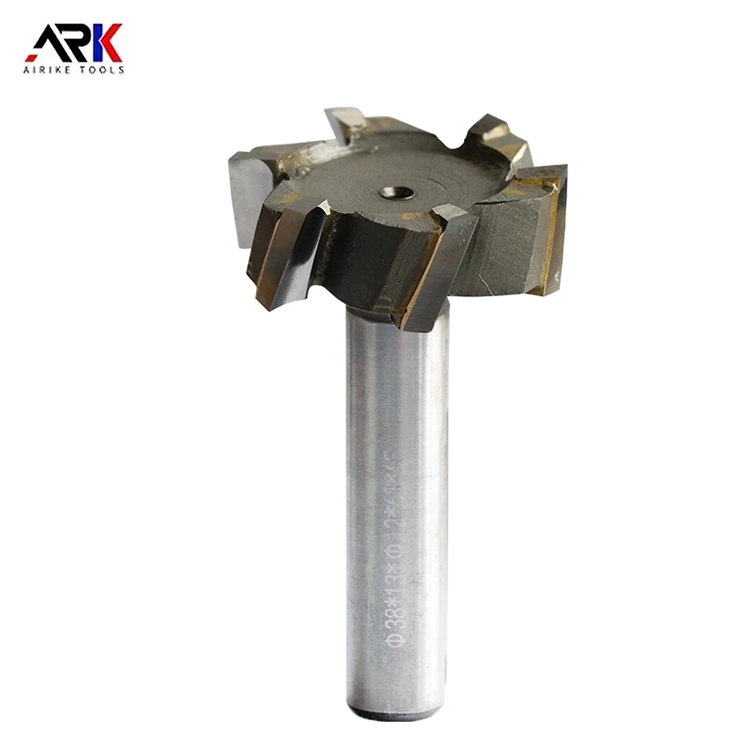
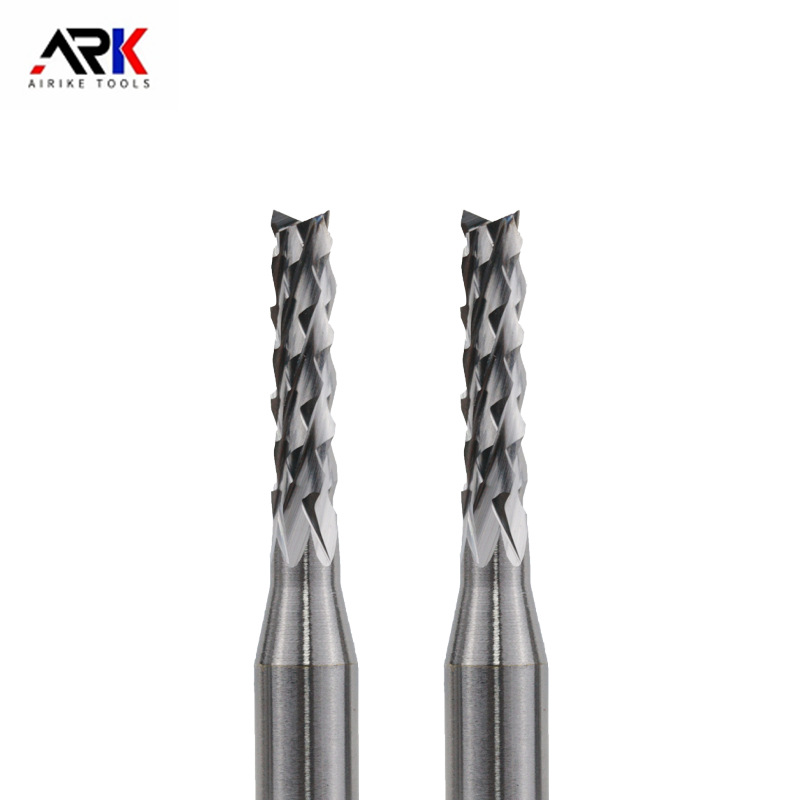
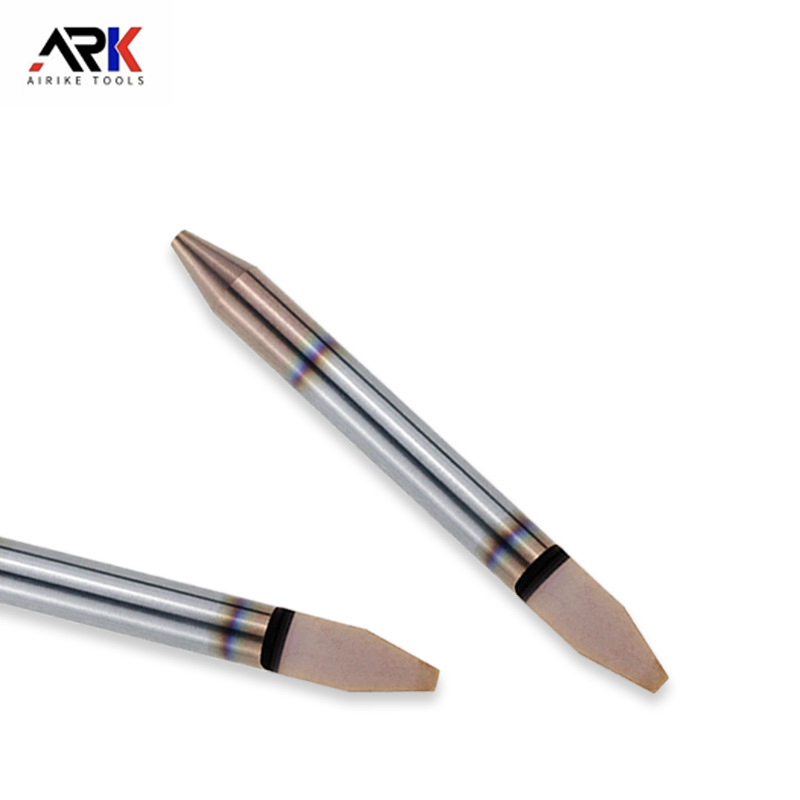
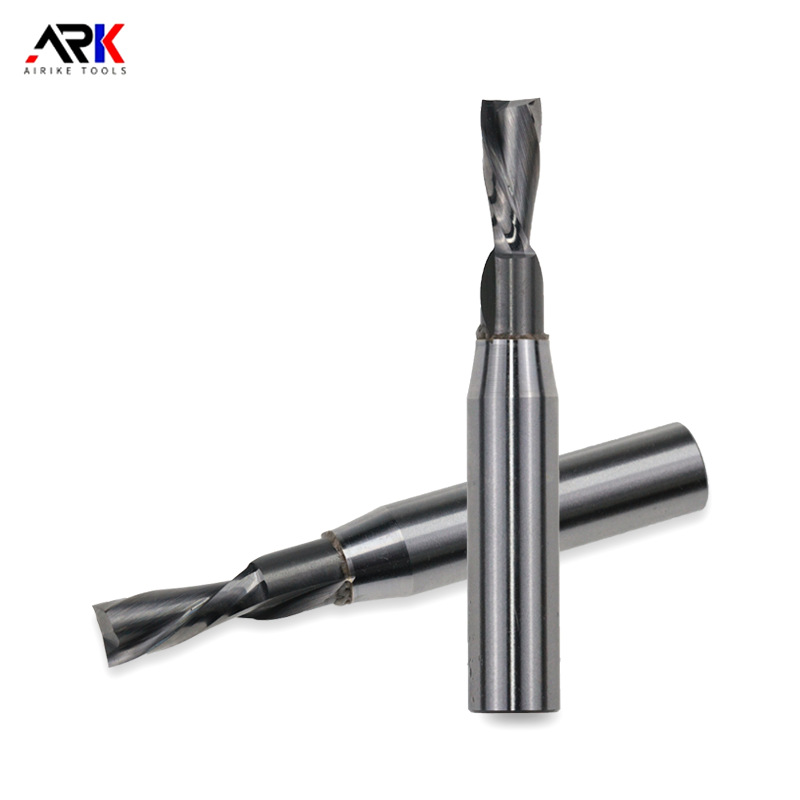
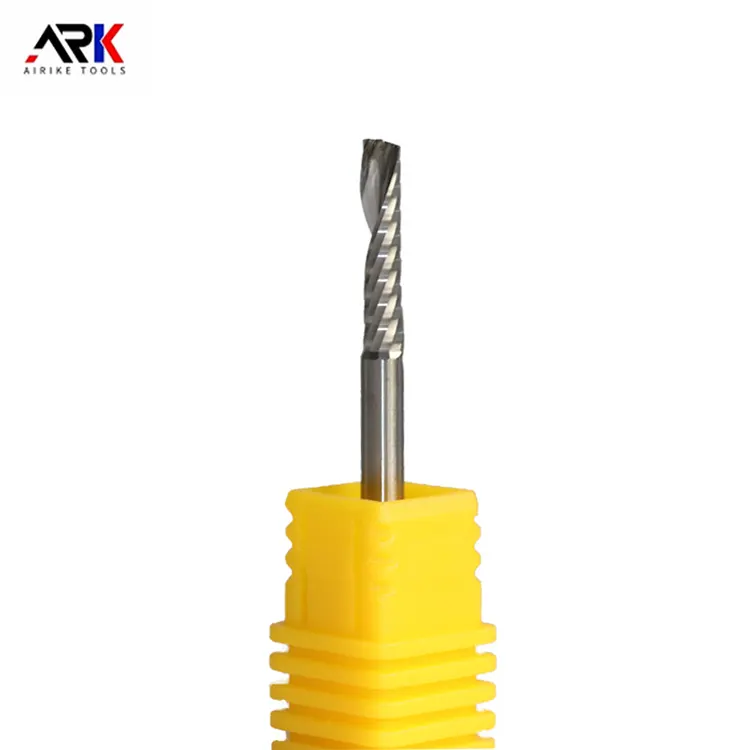
Since acrylic is a relatively soft material, single-edge milling cutters specifically designed for acrylic machining must be used. These cutters feature smooth cutting edges that minimize friction with the acrylic surface during the cutting process, thereby reducing the likelihood of scratches at the source. Before use, carefully inspect the cutter’s cutting edge to ensure there are no burrs or signs of wear. If the cutting edge is defective, replace it immediately to prevent surface scratches caused by tool issues.
Properly Control Machining Parameters
The recommended spindle speed for acrylic milling cutters is 10,000–15,000 rpm. If the speed is too low, the tool may drag across the acrylic surface, causing scratches. Conversely, excessively high speeds can generate heat, causing the acrylic to melt and deform, which also increases the likelihood of scratches. Maintain a consistent feed rate and use a light cutting approach; avoid excessive cutting depth per pass to minimize friction damage to the acrylic surface.
Preparing for Acrylic Milling Cutter Machining
Before machining, thoroughly clean the surface of the acrylic workpiece to remove dust, debris, and other contaminants. This prevents debris from being dragged by the cutter during machining and scratching the workpiece surface. Additionally, ensure the machining environment is clean and tidy to prevent debris and dust from adhering to the workpiece or cutting tool, which could affect machining results.
Standardizing Post-Processing and Storage
After machining is complete, gently wipe the workpiece surface with a soft cloth. Avoid contact with hard tools to prevent scratches. When storing, wrap the workpiece in soft material to prevent contact or collisions with hard objects, thereby avoiding secondary scratches.
In conclusion, the key to preventing surface scratches during acrylic milling cutter processing lies in selecting suitable cutting tools, controlling appropriate machining parameters, and ensuring proper pre-machining preparation and post-machining storage. By following these guidelines, you can effectively ensure a smooth surface on acrylic products and meet the quality requirements for various applications.
Related News
- What Makes High-Precision Woodworking Milling Cutters Superior?
- In stone carving, which method—climb milling or conventional milling—is more conducive to milling cutter durability?
- Machining 304 Stainless Steel Chamfers: Material and Coating Selection for Chamfering Milling Cutters
- Why is the U-shaped groove milling cutter the core design for high-gloss aluminum processing?
- Do You Know How to Match Micro End Mills for Machining Plastics and Metals?
- Is it time to replace your diamond milling cutter? 4 ways to determine
Leave me a message