
Using the wrong cutting fluid is like throwing away money on milling cutters?
Many machinists focus on tool selection and operation while overlooking the critical role of cutting fluid. They assume any fluid will suffice, disregarding its type and application. Yet in actual production, frequent tool changes, accelerated tool wear, and rough machined surfaces remain common issues. What many fail to realize is that using the wrong cutting fluid renders even the best milling cutters ineffective. This effectively wastes tooling costs and lowers production efficiency.
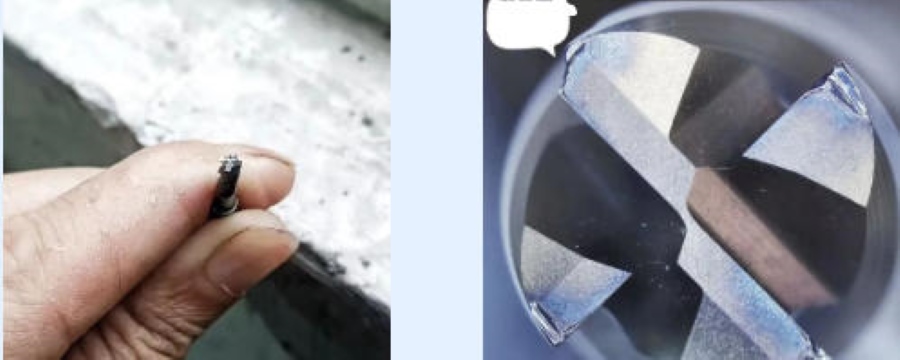
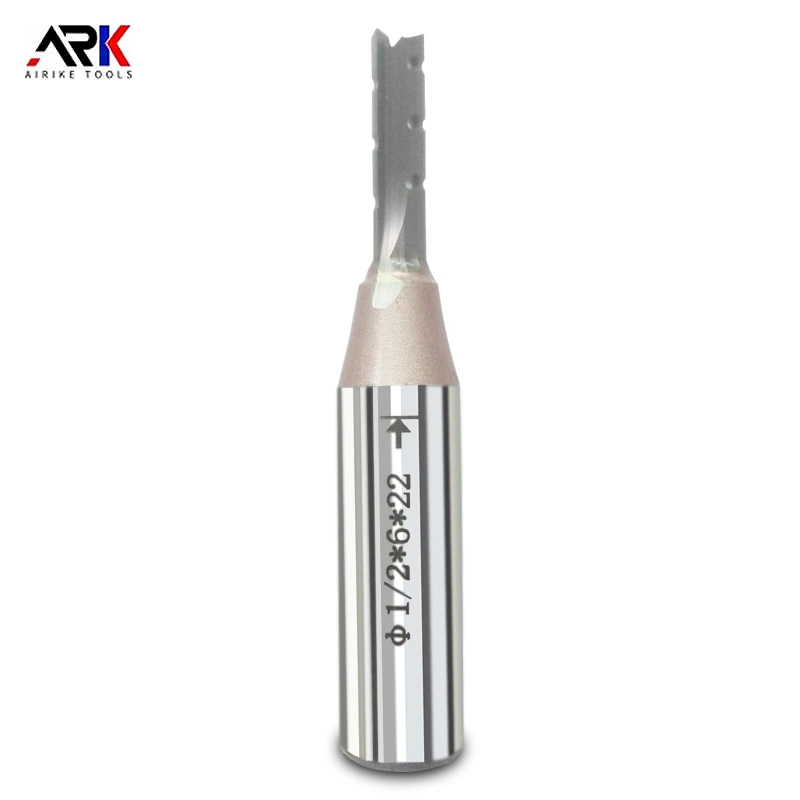
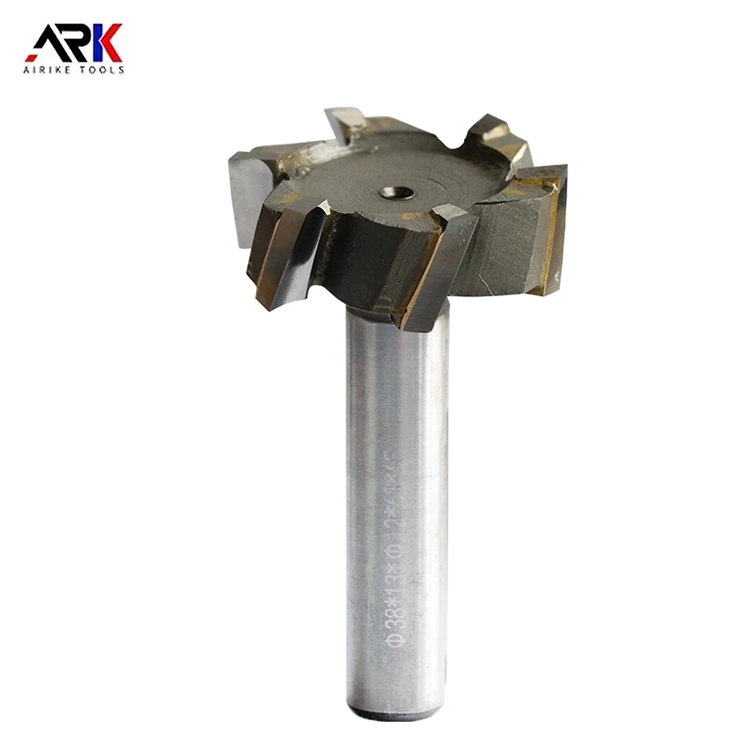
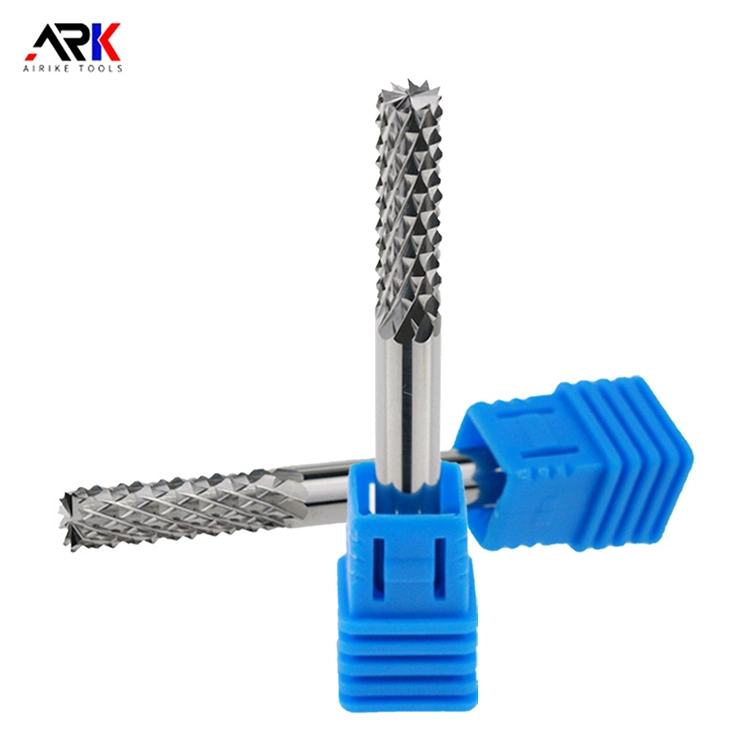
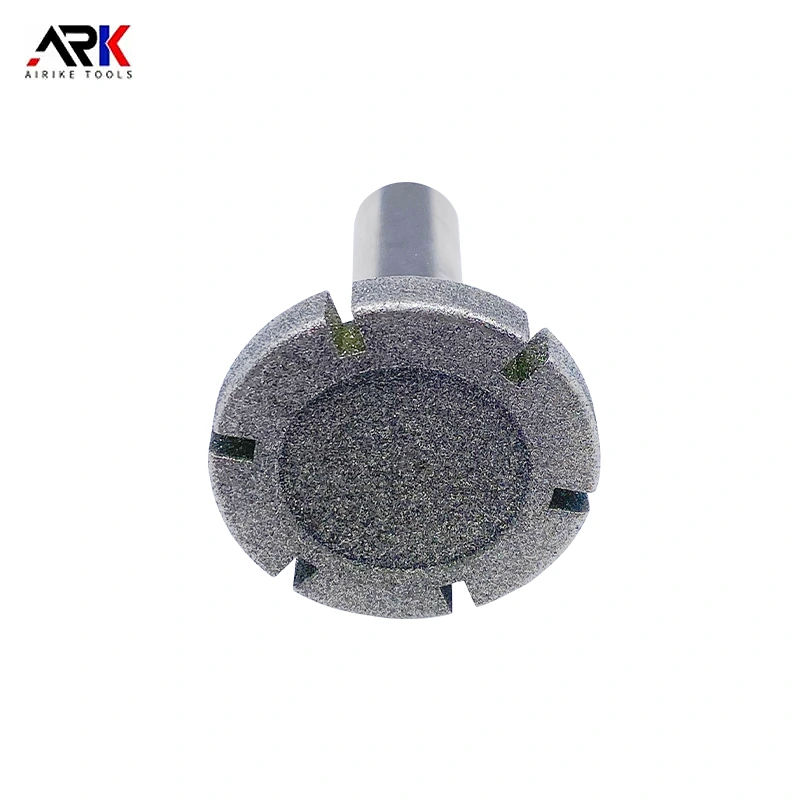
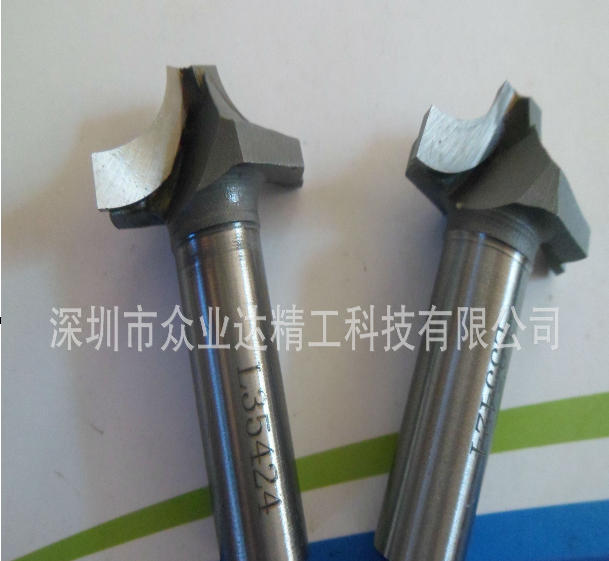
As shown above, without proper technique, severe wear and chipped edges occur within three days.
Shop floor operators often complain:
“Milling cutters chip after just three days—changing tools is heartbreaking.”
“Machining high-hardness materials wears them out fast—we lose productivity to constant tool changes.”
“We picked the right tool, so why does it wear out so quickly?”
To address these issues, no additional equipment upgrades or investments are needed. Mastering five practical techniques can triple milling cutter lifespan, reduce tool changes by 60%, save over $2000 monthly in tooling costs, and boost productivity by 25%!

First, match cutting fluids to the task—don't just use whatever's available. The protective power of cutting fluids relies entirely on these two additives, each serving vastly different purposes.
A. Oil-based additives
Lubrication relies on oil films, forming thick layers for physical protection. Ideal for low-load, room-temperature machining.
B. Extreme pressure additives
Form a chemical protective film under high temperatures, offering superior wear resistance and anti-welding properties. Ideal for high-load, high-speed machining.
2 Major Cutting Fluid Pitfalls to Avoid
90% of workshops make these mistakes, directly ruining tools and scrapping parts.
① Never Mix Cutting Fluids
For example, using extreme pressure cutting fluid for aluminum machining may corrode the aluminum surface.
② Improper “Dry Cutting” for Cast Iron
If opting for “dry cutting” (without cutting fluid), pair it with coated alloy milling cutters and reduce feed rates to prevent tool overheating and chipping.

Practical methods shared by Zhongyeda editors
① Processing Carbon Steel/Cast Iron, Select emulsifiable coolant. Maintain a concentration of 5%-8% (dilution ratio approx. 1:12–1:20). Test weekly to prevent insufficient cooling from low concentration or excessive foaming from high concentration.
② Machining stainless steel/high-temperature alloys, Use extreme pressure cutting fluid (containing sulfur-phosphorus additives). Implement high-pressure spraying and filter iron chips from the fluid every two weeks to prevent tool damage from impurities. This enhances impact resistance and prevents edge wear.
③ Machining aluminum/copper parts, Use kerosene mixed with cutting oil (3:1 ratio). Thoroughly clean residual kerosene from workpiece surfaces after each operation to prevent aluminum oxidation. Replace cutting oil monthly to avoid oil degradation and tool adhesion.
Key points to remember
The core principle is matching cutting fluids to specific materials. We hope these insights prove valuable.
Related News
- The same milling cutter, the market phenomenon of milling cutter price difference
- Korean customers visited our company to discuss a new chapter of milling cutter cooperation!
- With so many milling cutter materials available, how do you distinguish their applications?
- Which aluminum milling cutters can tackle the major challenges of chip jamming and tool dulling?
- Zongyeda Explains - Clockwise or Counterclockwise Rotation for Woodworking Milling Cutters?
- Zhongyeda - What's the Difference Between Chamfering Tools and Centering Drills?
Leave me a message