
What is the welding process for Welded Milling Cutters?
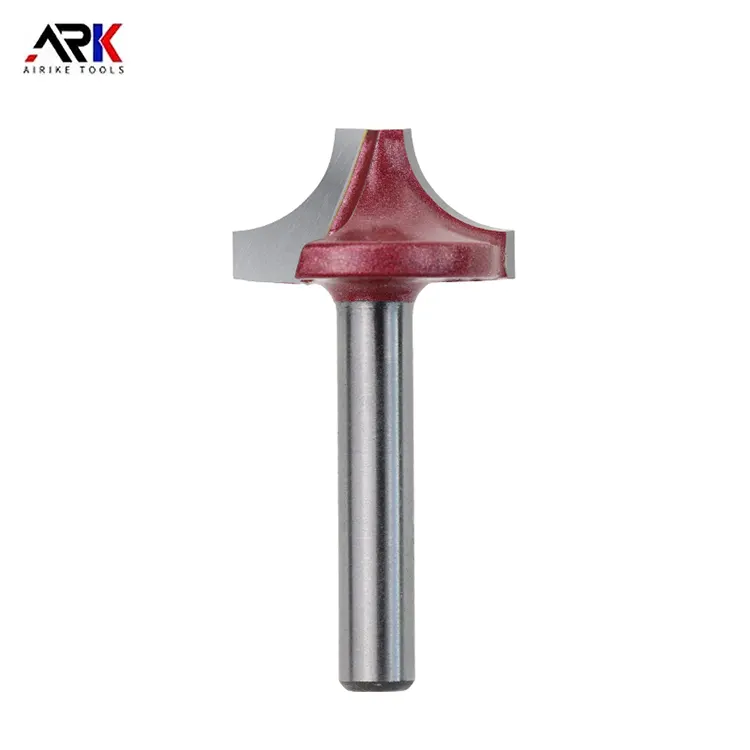
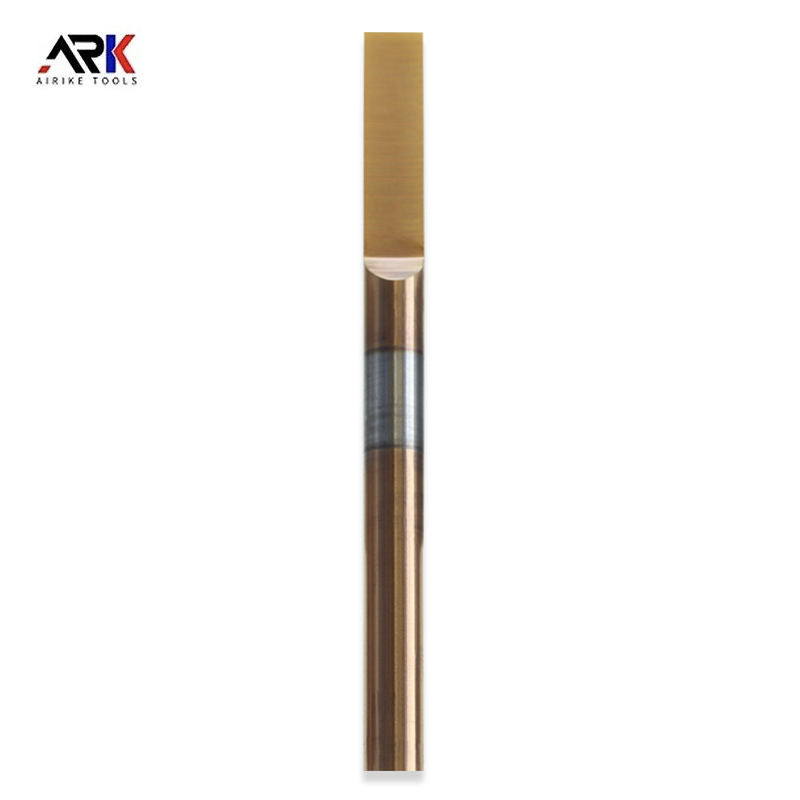
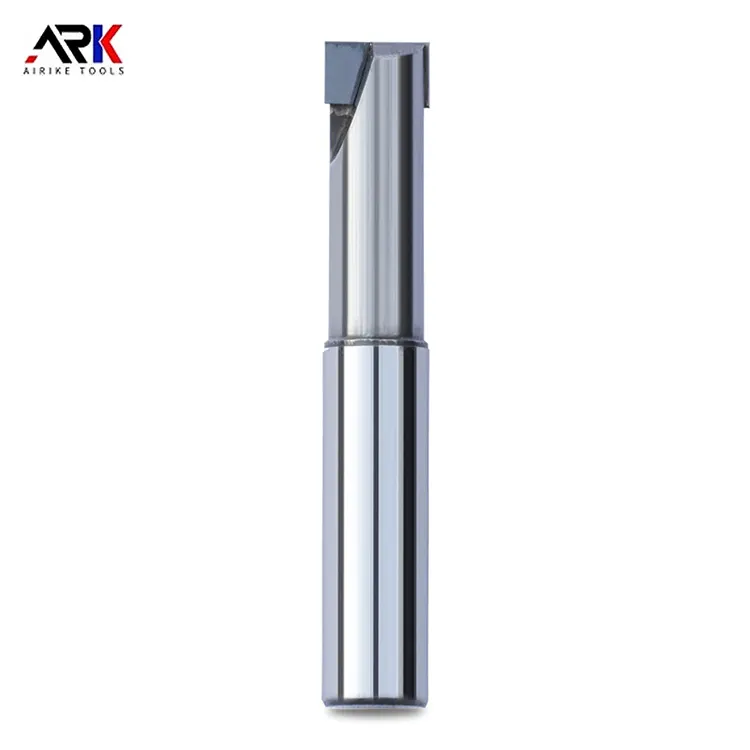
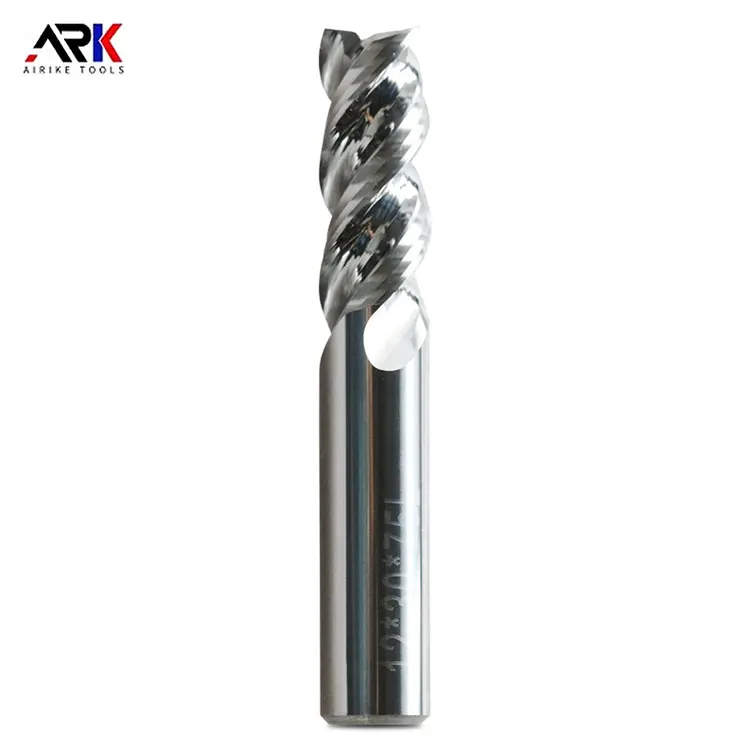
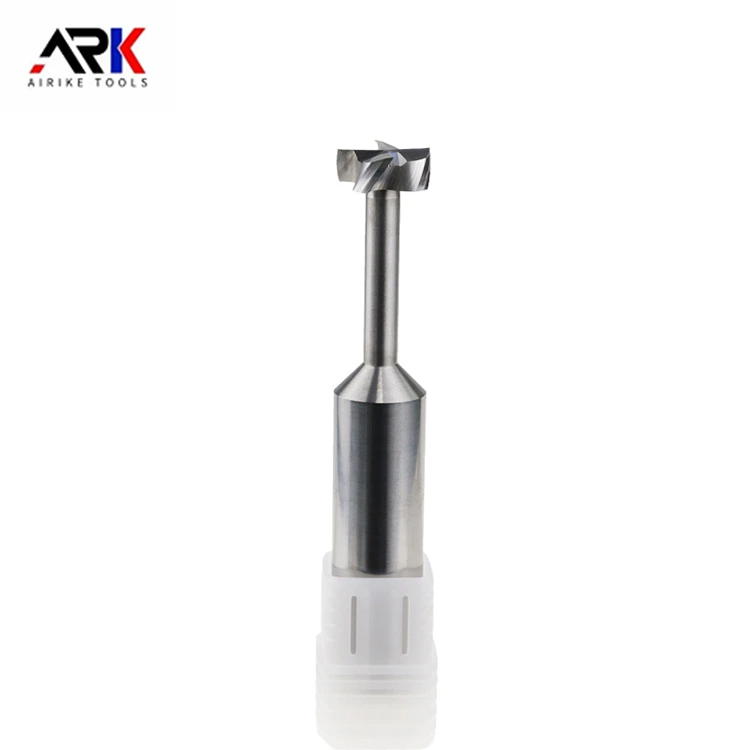
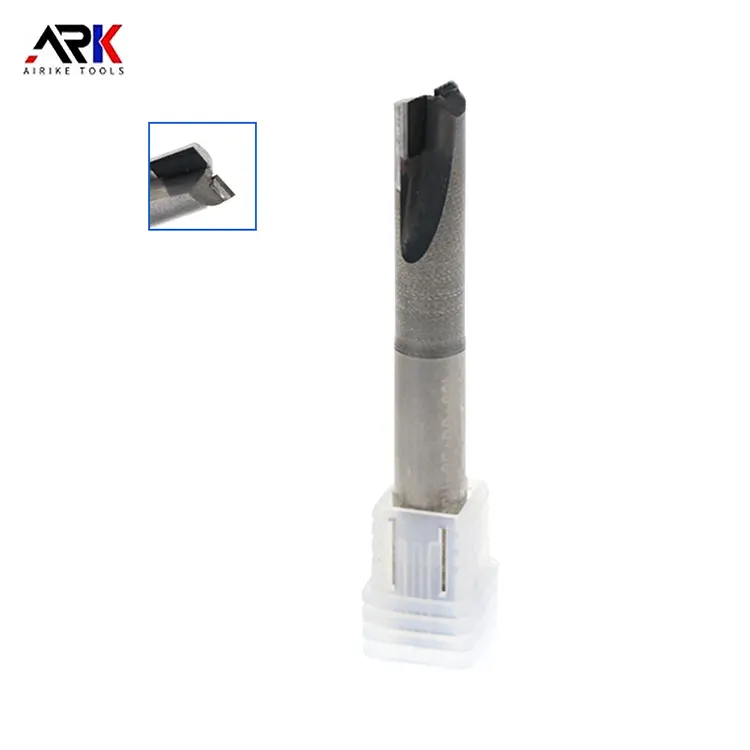
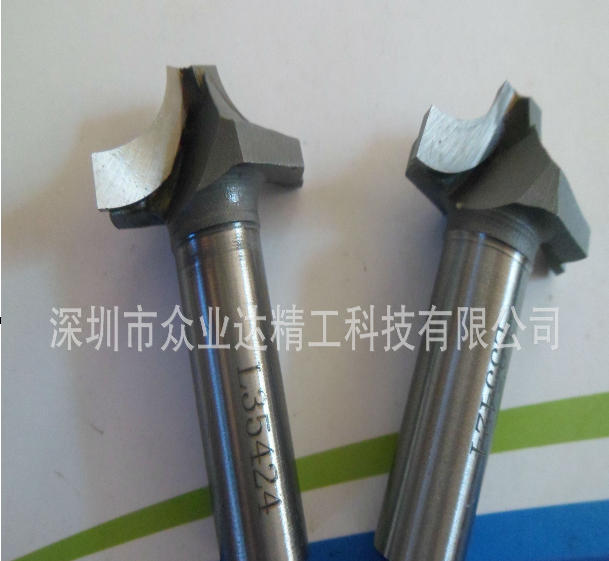
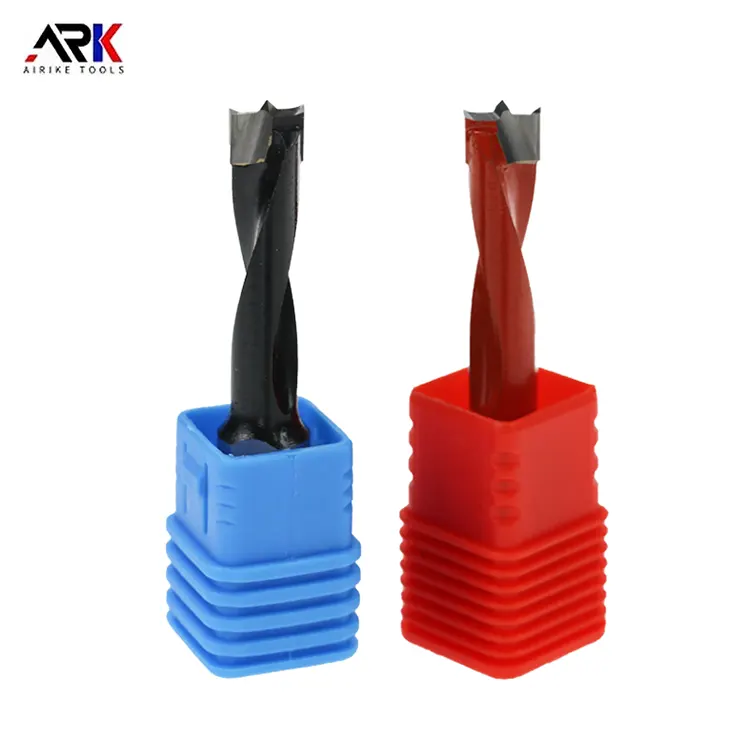
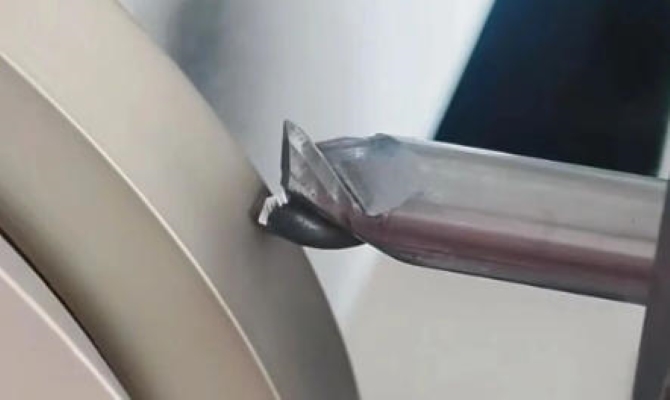
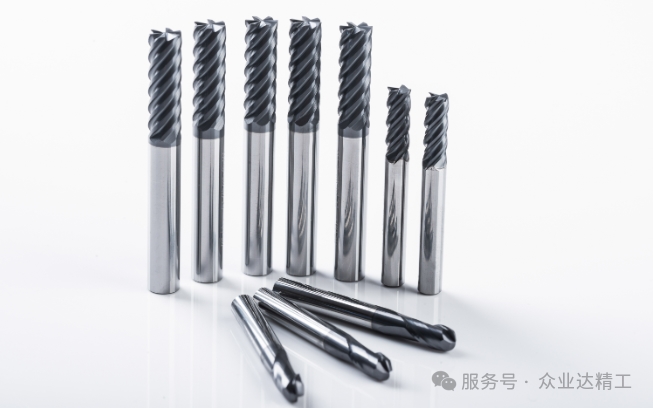
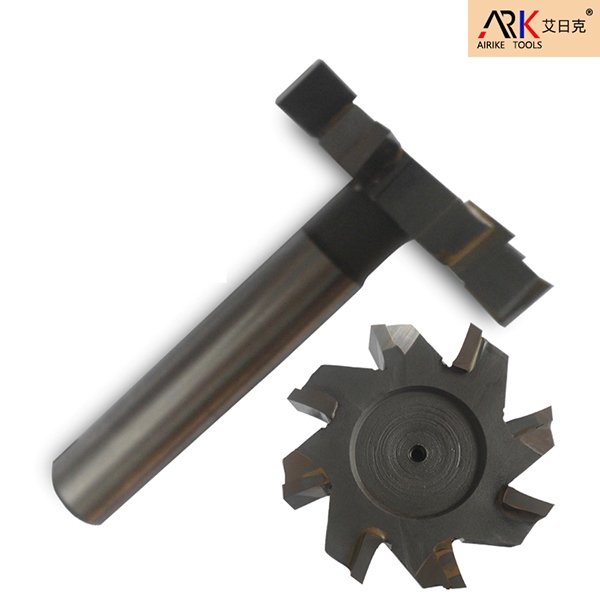
Welded milling cutters secure carbide inserts to the cutter body through welding, forming an integrated structure. Combining rigidity with cost-effectiveness, they find significant applications across mechanical manufacturing, mold processing, automotive components, aerospace, and other fields. So, do you know how the welding process for welded milling cutters works? Below, Zhongye Da's editor will guide you through it!
I. Pre-welding Preparation
Inspect inserts for cracks or chipped edges. Ensure cutter slots match insert dimensions and are free of burrs or oil contamination. Clean inserts and slots with organic solvents like gasoline or alcohol. For mass production, enhance cleanliness through sandblasting or boiling in alkaline solutions.
II. Welding Methods and Material Selection
Common welding techniques for milling cutters include high-frequency induction brazing, gas flame brazing, and vacuum diffusion welding. High-frequency brazing is particularly suitable for mass production due to its high efficiency. Brazing filler metals typically use silver-based sheets with a silver content of no less than 35%. Flux primarily consists of industrial borax, which must be dehydrated before use. For fine-grained alloys with high titanium and low cobalt content or thin inserts, incorporate 0.2–0.5 mm mesh compensation pads to reduce welding stress.
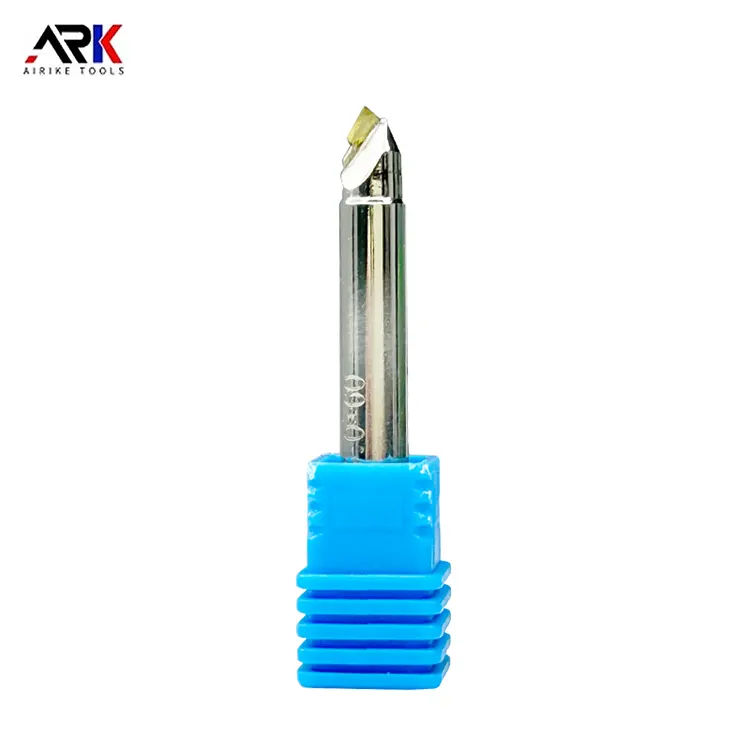
III. Process Parameters and Operational Key Points
Control brazing temperature between 600–800°C. Optimize heating duration to avoid excessive speed or slowness. Secure the tool holder during welding. Sequentially place filler metal, flux, and blade. After uniform heating, once filler metal melts and flows out, gently nudge the blade to remove slag and align it before applying pressure until solidification. Alternate-tooth or diagonal welding may be used to reduce stress.
IV. Post-Welding Treatment
After welding, allow tools to cool naturally on the welding fixture for at least 2 hours before air cooling. Avoid rapid cooling. After cooling, remove residual flux and slag. For mass production, sandblast followed by boiling water treatment for 1-2 hours is recommended. Dry thoroughly before sharpening.
In summary, the welding process for milling cutters is a highly technical and meticulous task involving multiple stages. Strictly controlling the key points of each stage effectively enhances weld quality, extends the service life of welded milling cutters, and provides reliable assurance for machining operations.
Related News
- What Makes High-Precision Woodworking Milling Cutters Superior?
- How to Prevent Surface Scratches When Machining Acrylic with a Milling Cutter?
- In stone carving, which method—climb milling or conventional milling—is more conducive to milling cutter durability?
- Machining 304 Stainless Steel Chamfers: Material and Coating Selection for Chamfering Milling Cutters
- Why is the U-shaped groove milling cutter the core design for high-gloss aluminum processing?
- Do You Know How to Match Micro End Mills for Machining Plastics and Metals?
Leave me a message