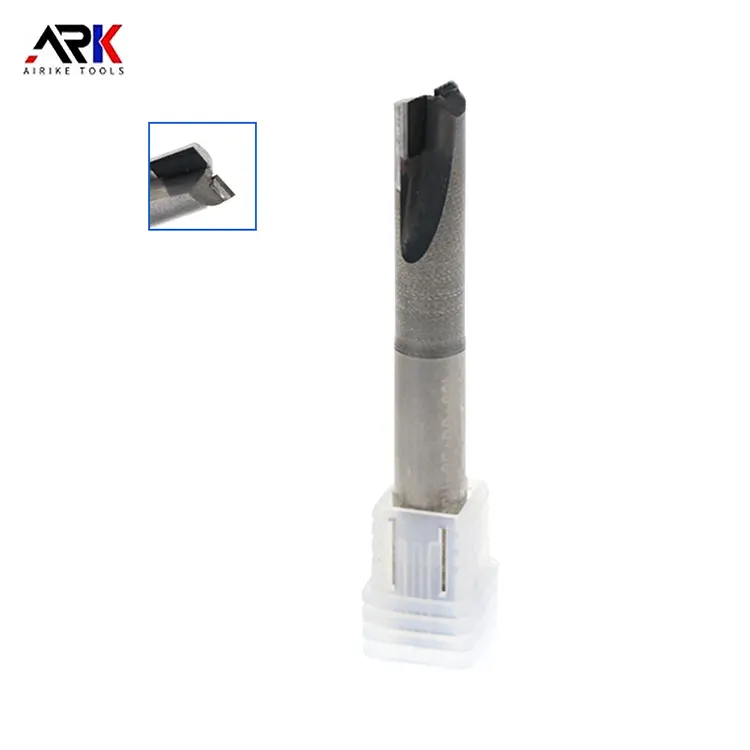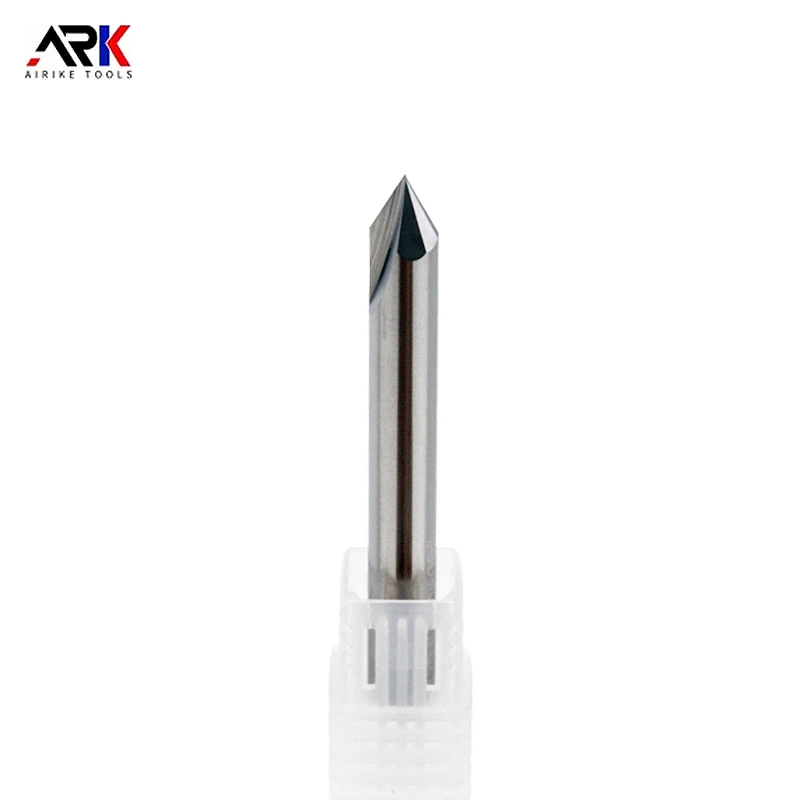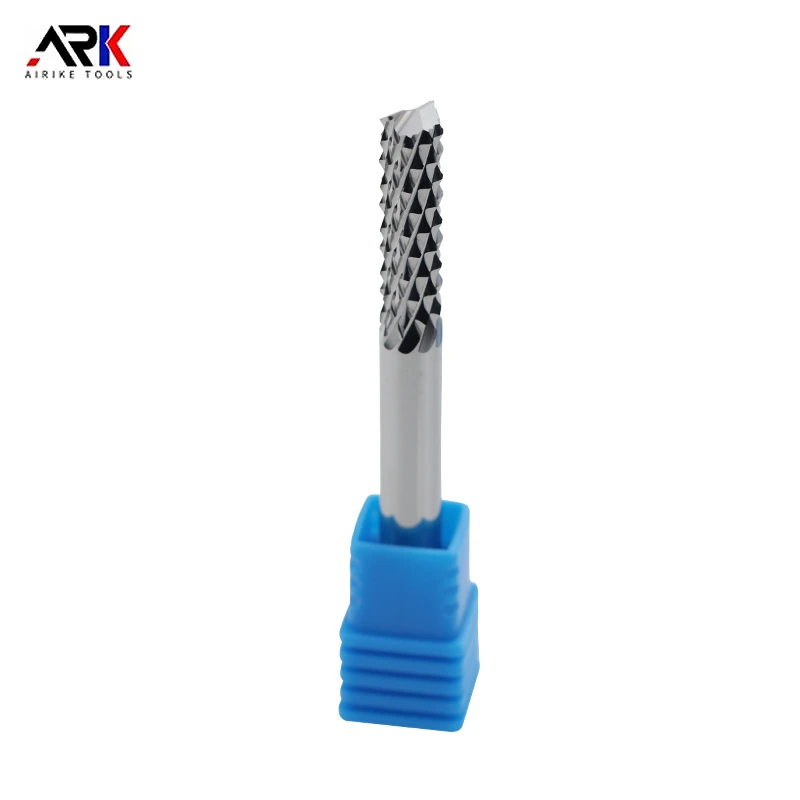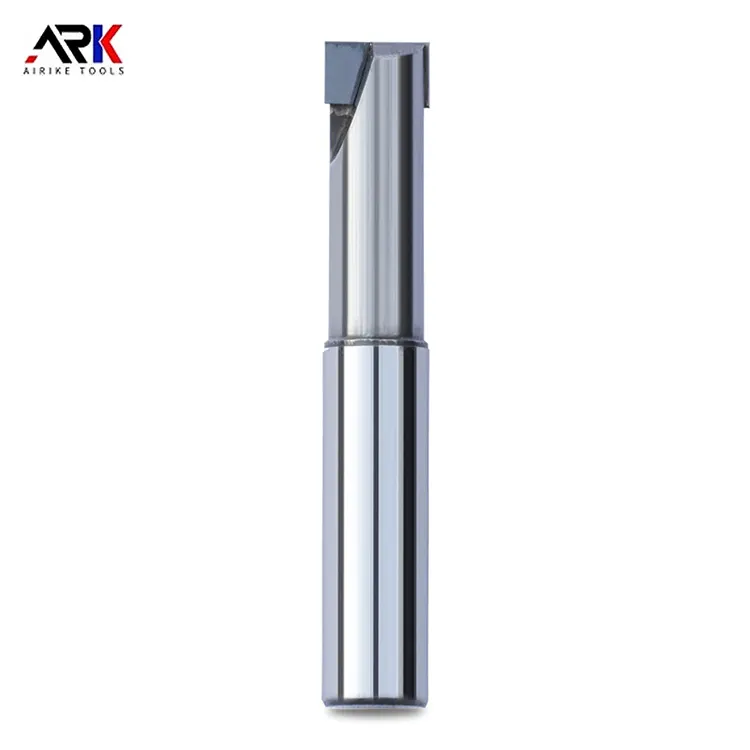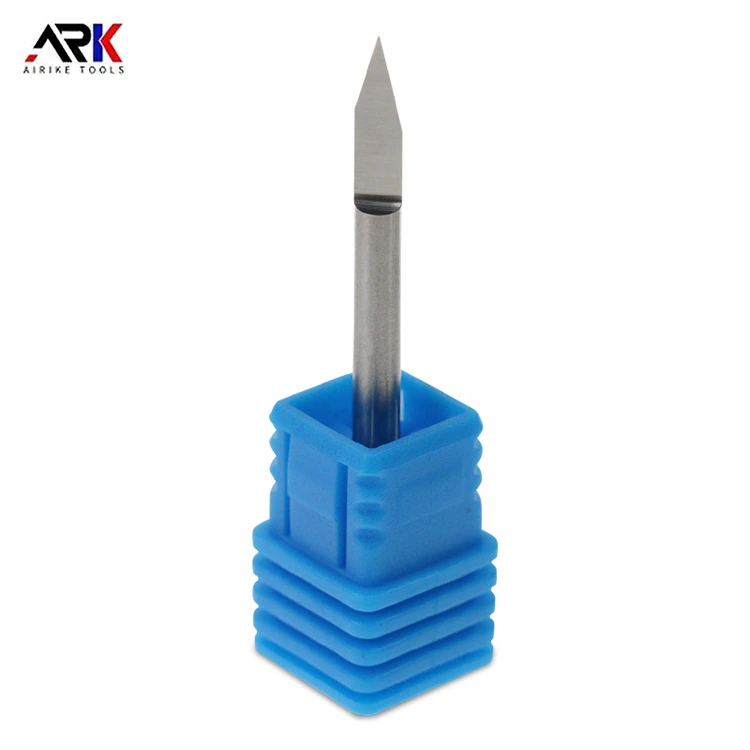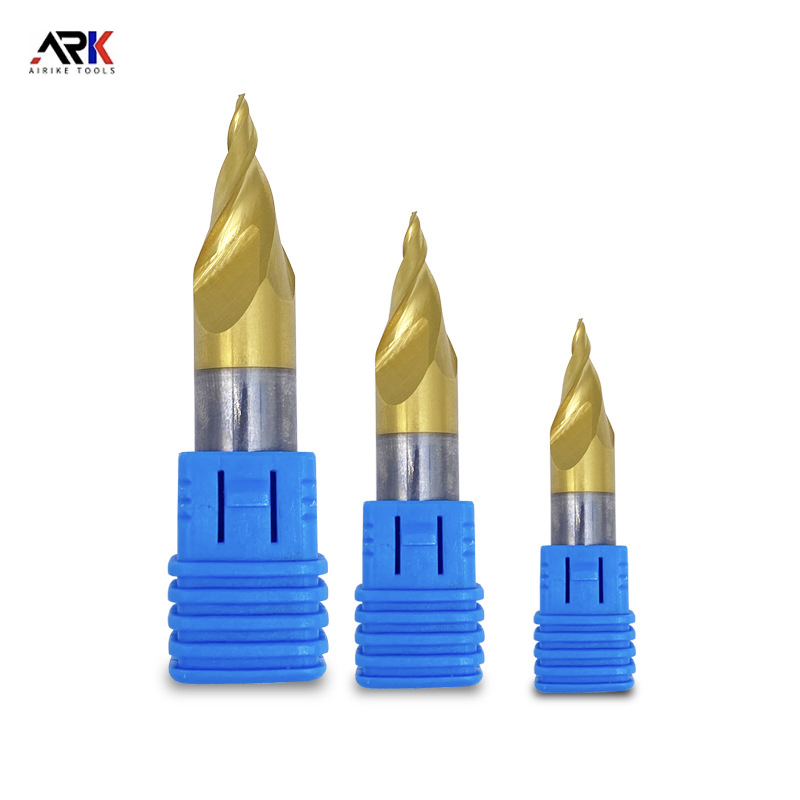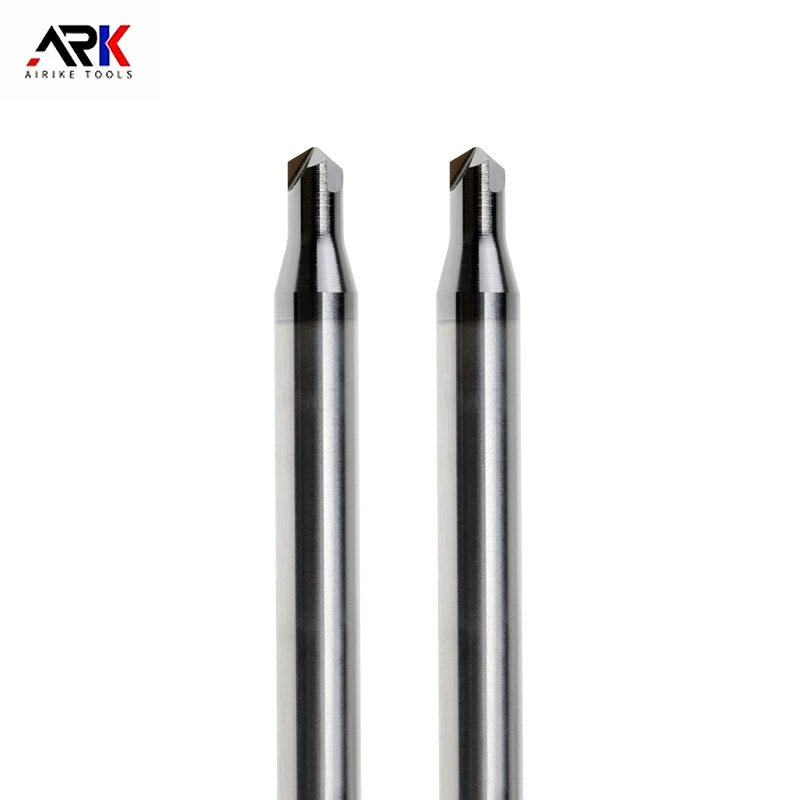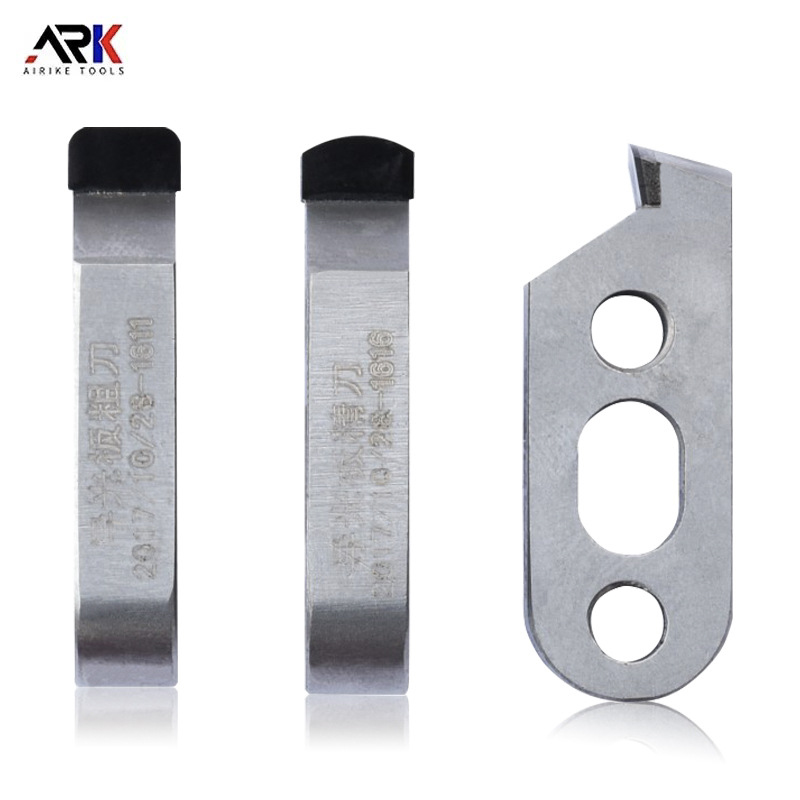

Can diamond-tipped Engraving Machine Milling Cutters handle ultra-fine detail engraving?
2025-12-18
In ultra-fine engraving operations, balancing material hardness with machining precision remains an industry-wide challenge. Can Engraving Machine Milling Cutters, with their unique material composition and performance advantages, emerge as an optimal solution to this challenge?
In fact, gold-based Engraving Machine Milling Cutters not only adapt to ultra-fine detail engraving but also demonstrate outstanding application potential in this field. Join Zhongyeda's editor to explore further.
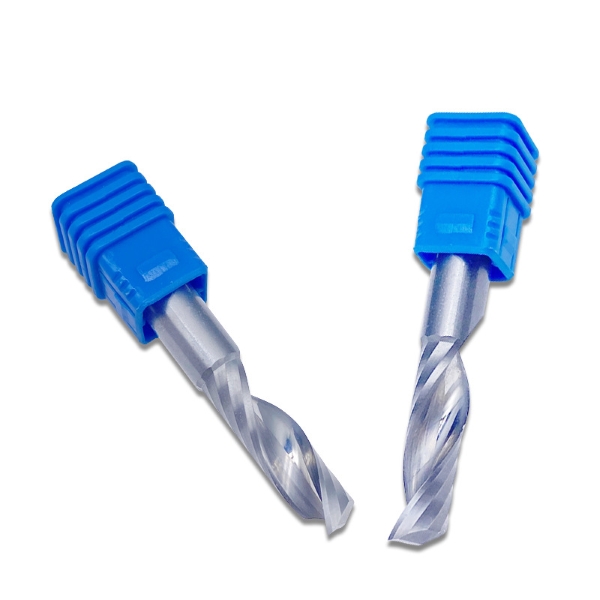
I. Advantages for Ultra-Fine Engraving Did you know?
Diamond possesses exceptionally high natural hardness. Cutter heads made from this material allow edge radii to be precisely controlled to extremely small values through fine machining. Combined with CNC grinding technology, this enables micron-level engraving precision.
Simultaneously, diamond exhibits outstanding wear resistance, maintaining edge sharpness during prolonged continuous machining. This minimizes the impact of frequent tool changes on engraving precision.
Additionally, its superior thermal conductivity rapidly dissipates heat generated during cutting. This reduces thermal deformation of workpieces, ensuring dimensional stability of intricate patterns and delivering a high surface finish on machined parts.
II. What are the primary ultra-fine engraving applications?
In the medical field, it processes precision components like zirconia ceramic dental crowns, effectively reducing surface roughness and minimizing subsequent polishing steps.
Within electronics, engraving machine milling cutters enable intricate engraving on high-hardness materials such as sapphire substrates, supporting high-performance chip manufacturing. In aerospace, they can machine intricate structures like micro-holes and fine grooves on components such as ceramic sensor housings, helping ensure part performance.
Additionally, they play a crucial role in engraving fine patterns on products like optical lenses.
III. Key Usage Points to Know During Engraving
Use with precision CNC equipment and optimize cutting parameters through the system to minimize vibration interference with ultra-fine engraving results. When processing materials containing impurities or exhibiting internal structural inconsistencies, appropriately reduce cutting pressure to prevent tool chipping.
In summary, adjusting the rake angle of Engraving Machine Milling Cutters based on material properties prior to processing, coupled with effective cooling during machining to mitigate high-temperature impacts on tool performance and engraving quality, will further enhance the stability of ultra-fine engraving.
Related News
- Is a spiral or straight flute woodworking milling cutter better for edge trimming?
- How to Improve the Processing Efficiency of Woodworking Milling Cutters?
- What is the welding process for Welded Milling Cutters?
- Did you use the milling cutter straight out of the box? How come it chipped in just half an hour?
- Acrylic Milling Cutter Not Spinning? Quick Troubleshooting Guide
- How to Choose Between PCD and MCD Tools?